Prince Charles attacks food production methods at German symposium
Prince of Wales calls for more local model of food production and distribution following recent public health scares
Press Association Monday 27 May 2013
The Prince of Wales launched a wide-ranging attack on current
food production methods he said have led to the horsemeat scandals and
declining public health, particularly in the US.
In a speech at a
conference in Germany on regional food security, he called for the
creation of a more local model of food production and distribution.
Addressing
the Langenburg Forum at Langenburg Castle in the state of
Baden-Württemberg, he said there was not sufficient resilience in the
system.
"It may appear that things are well," he said. "Big global
corporations may appear to be prospering out of operating on a global
monocultural scale, but, as I hope you have seen, if you drill down into
what is actually happening, things are not so healthy.
"Our
present approach is rapidly mining resilience out of our food system and
threatening to leave it ever more vulnerable to the various external
shocks that are becoming more varied, extreme and frequent."
Charles
said the drive to make food cheaper for consumers and to earn companies
bigger profits was sucking real value out of the food production system
– value that was critical to its sustainability.
He said: "I am
talking here about obvious things like the vitality of the soil and
local ecosystems, the quality and availability of fresh water and so on,
but also about less obvious things, like local employment and people's
health. It is, as I fear you know only too well, a complex business.
"The
aggressive search for cheaper food has been described as a 'drive to
the bottom', which I am afraid is taking the farmers with it. They are
being driven into the ground by the prices they are forced to expect for
their produce and this has led to some very worrying shortcuts.
"The
recent horsemeat scandals are surely just one example, revealing a
disturbing situation where even the biggest retailers seem not to know
where their supplies are coming from.
"It has also led to a very
destructive effect on farming. We are losing farmers fast. Young people
do not want to go into such an unrewarding profession.
"In the UK,
I have been warning of this for some time and recently set up
apprenticeship schemes to try to alleviate the problem, but the fact
remains that at the moment the average age of British farmers is 58, and
rising."
Pressure to produce cheap food also created social and economic problems, he said.
"In
the UK, as elsewhere – but particularly, I think, in the US – the
consequences of this are ever more apparent in the deteriorating state
of our public health," Charles said.
"We all know that type 2 diabetes and other obesity-related conditions are rapidly on the increase.
"The
public bill for dealing with these is already massive and I am told it
could become completely unaffordable if we do not see a shift in
emphasis. And, of course, it will be cities that carry the heaviest part
of that burden."
The prince asked if he was alone in wondering
how it was that those who were farming sustainably, for the long term,
by operating in a way that reduced pollution and contamination of the
natural environment to a minimum and maximised the health of soil,
biodiverse ecosystems and humanity, were then penalised.
He said: "They find that their produce is considered too expensive and too 'niche market' to be available to everyone.
"How
is it, then, that systems of farming which do precisely the opposite –
with increasingly dire and damaging effects on both the terrestrial and
marine environments, not to mention long-term human health – are able to
sell their products in mass markets at prices that in no way reflect
the immense and damaging cost to the environment and human health?
"A
cost that then has to be paid for over and over again elsewhere –
chiefly, in all probability, by our unfortunate children and
grandchildren, whose welfare I happen to care about."
The prince
added: "So, as I hope you can see, the success of a globalised system is
being subsidised by many complex, long-term problems that contribute to
a potentially toxic mix, making the food it produces not cheap at all.
"In
fact, it is very expensive. The only reason it appears cheap in the
shops is because the costs either fall somewhere else, or they are being
stored up for the future."
It was necessary for food to be
produced in a more sustainable and eco-friendly manner and for food
systems to be less globally dependent and more locally inter-connected,
he said.
The prince was invited to address the delegates by his
distant relative Philipp, Prince of Hohenlohe-Langenburg, who helped
organise the event.
Radioactive iodine beyond limit detected in tap water in Fukushima
TOKYO, March 20, Kyodo
Radioactive iodine beyond Japan's regulated standard was detected in tap water in a town in Fukushima Prefecture on Thursday, apparently due to the nuclear crisis at the Fukushima Daiichi nuclear power plant, the government said Saturday.
The health ministry said levels on Friday and Saturday in the town of Kawamata were below the limit but milk there has been found to contain radioactive iodine above the country's standard, raising concern about radioactive contamination in the region.
Kawamata is located around 45 kilometers northwest of the nuclear power plant.
Meanwhile, slight amounts of radioactive iodine have been detected in tap water in Tokyo, its vicinity and most prefectures neighboring Fukushima, the government said the same day.
While the substance was found in Tochigi, Gunma, Niigata, Chiba and Saitama prefectures as well as Tokyo, traces of cesium have been also found in tap water in Tochigi and Gunma... Tochigi, Gunma and Niigata prefectures border Fukushima Prefecture.
The Health, Labor and Welfare Ministry notified local governments that if levels of radioactive materials in tap water rise above regulated standards, people should refrain from drinking tap water, but added there is no problem at the moment with using it as usual and there is no danger to human health.
The education ministry said 77 becquerels of iodine was found per kilogram of water in Tochigi, 2.5 becquerels in Gunma, 0.62 becquerels in Saitama, 0.79 becquerels in Chiba, 1.5 becquerels in Tokyo and 0.27 becquerels in Niigata, against an intake limit of 300 becquerels.
The amount of cesium per kilogram of water was 1.6 becquerels in Tochigi and 0.22 in Gunma, against the limit of 200 becquerels set by the Nuclear Safety Commission of Japan.
The Gunma prefectural government said it had detected the substances for the first time since it began testing tap water for radioactive materials in 1990.
The education ministry plans to compile data on levels of radioactive materials in tap water from all prefectures once a day in principle. In addition, the ministry will start to announce levels in atmospheric fallout such as rain and dust.
...En situation normale, le seul radionucléide que l’on s’attend à mesurer dans l’atmosphère est le césium 137. Du fait des essais nucléaires militaires et de la catastrophe de Tchernobyl, subsiste en effet une contamination résiduelle mais heureusement très faible : de l’ordre de quelques μBq/m3. (1μBq = 10-6 Bq)
Une valeur moyenne de 3,4 Bq/m3 représente une augmentation considérable du niveau de radioactivité: de l’ordre de 1 million de fois.
Précision importante : l’air contient nécessairement d’autre radionucléides : probablement des gaz rares radioactifs comme le krypton 85 et le xénon 133 mais également du tritium, du tellure 132, des isotopes du ruthénium, du tellure, du strontium. Il faudrait également savoir si l’air contient des transuraniens, des émetteurs alpha très radiotoxiques comme les plutoniums 238,239 ou 240 ou encore l’américium 241.
Si l’on considère l’évolution des concentrations dans le temps, on constate que le niveau de radioactivité de l’air a très fortement augmenté sur Tokyo le 15 mars, entre 10h et 12h, avec un pic de radioactivité sur
les poussières prélevées à 11h :
- Iode 131 : 241 Bq/m3 - Iode 132 : 281 Bq/m3 - Césium 134 : 64 Bq/m3 - Césium 137 : 60 Bq/m3 (soit plus de 10 millions de fois le niveau antérieur aux accidents nucléaires)
...A partir d’une activité moyenne en iode 131 de 15 Bq/m3, nous avons calculé les doses équivalentes à lathyroïde qu’ont pu recevoir en 48 heures les enfants habitant Tokyo. Les résultats restent inférieurs au milliSievert (mSv) et par conséquent au seuil d’intervention de 10 mSv défini par l’OMS pour l’administration de comprimés d’iode stable.
Il faut cependant souligner que les chiffres utilisés pour les calculs sous-évaluent très probablement l'activité réelle de l'air. L’air a, en effet, été échantillonné à partir de filtres à poussières. Pour obtenir un bilan complet, il faudrait disposer de résultats sur des filtres à charbon actif capables de piéger les gaz, etnotamment les formes moléculaires et organiques de l’iode. Elles peuvent représenter une part importante, voire majoritaire, de l’iode présent. Cette information doit être obtenue d’urgence.
Que se passe-t-il plus au nord ?
Le plus préoccupant est que Tokyo n'est pas le secteur le plus touché par le passage des masses d'air contaminé. L’analyse des relevés de débits de dose disponibles le montre clairement. Ces quelques éléments très – trop – lacunaires nous conduisent à nous interroger sur les niveaux d’exposition des personnes résidant à moindre distance de la centrale de FUKISHIMA DAIICHI (Tokyo est situé à 230 km au sud). A quels niveaux de contamination ont été exposés les habitants de la Préfecture de Fukushima (l’évacuation est limitée à un rayon de 20 km) ou encore ceux du secteur d’ONAGAWA où les débits de dose ont été multipliés par 100, voire par 1 000 (à Tokyo, l’augmentation n’aurait été que d’un facteur 16) ?
Et qu’en est-il des habitants de la Préfecture d’IBARAKI où l’élévation du niveau de rayonnement ambiant est un peu supérieure à celle de Tokyo et surtout bien plus prolongée ?
La CRIIRAD ne souhaite qu’une chose, c’est d’être rassurée sur les niveaux d’exposition de la population. Si les autorités considèrent que les niveaux de risques sont minimes, elles doivent le démontrer, chiffres à l’appui.
Si l’on se base sur les informations publiées par l’AIEA, jusqu’au mercredi 16 mars, l’ordre d’administrer des comprimés d’iode stable à la population n’avait pas été donné. L’AIEA indique que dès le 14 mars dernier, les autorités japonaises avaient distribué 230 000 tablettes de comprimés d’iode stable aux centres d’évacuation mais sans donner l’ordre de les administrer aux habitants. Or, la zone d’évacuation était encore hier limitée à un rayon de 20 km autour de FUKUSHIMA DAIICHI et consigne était donnée aux personnes résidant dans un rayon de 30 km de se confiner chez elles.
Le problème, c’est que le confinement ne peut apporter qu’une protection très provisoire : unehabitation n’a rien d’une enceinte étanche : en quelques heures tout le volume d’air intérieur est renouvelé. On gagne un peu de temps en calfeutrant toutes les ouvertures mais le confinement n’est absolument pas adapté à une contamination qui persiste sur plusieurs jours. L’aide internationale doit se mobiliser pour apporter la logistique nécessaire à l’évacuation des personnes sur un périmètre bien pluslarge. Ceci aurait dû être fait bien plus tôt. En attendant, il faut limiter les risques et l’iode stable est un moyen efficace – s’il est pris à temps ! – de limiter l’irradiation de la glande thyroïde et donc la survenue ultérieure de cancers ou d’autres pathologies thyroïdiennes. Rappelons également que l’iode stable n’est pas la panacée : il ne protège ni de l’irradiation externe, ni de la contamination par les autresradionucléides.
Dépôts au sol et contamination des aliments La radioactivité présente dans l’air se dépose progressivement au sol et sur les végétaux. Les dépôts secs sont intensifiés par la pluie qui lessive les masses d’air contaminé et précipite au sol les particules radioactives (aérosols) et les gaz solubles (iode notamment). Il faut disposer au plus vite d’une cartographie des activités surfaciques (Bq/m2 de sol) permettant de recenser les zones à risque et de cibler les mesures à prendre pour le retrait des aliments contaminés ou les mesures de prévention (alimentation du bétail en fourrage non contaminé par exemple).
Concernant la contamination de la chaîne alimentaire, il faut rappeler que depuis 5 jours, des quantités très importantes de produits radioactifs sont rejetées à la mer. Il faut donc vérifier l’impact de ces rejets sur les produits de la mer dans les zones proches et en fonction des courants.
Le fait de connaître les niveaux de contamination des paramètres clefs de l’environnement n’est certes pas une garantie de protection. Il est en revanche certain que l’absence de données ne peut qu’empirer les choses. L'opacité n’a jamais profité à la défense des intérêts sanitaires de la population. Tchernobyl l’a clairement démontré.
REPERES CONTAMINATION DE L’AIR :
comparaison avec la situation de la France au moment de Tchernobyl
Les chiffres qui suivent sont des chiffres officiels relatifs à la contamination de l’air dans le sud-est de la France, une des régions les plus touchées par les retombées radioactives consécutives à l’explosion du réacteur n°4 de Tchernobyl. Les activités sont des valeurs moyennes pour la période du 1er au 3 mai 1986.
Césium 137 : de 0,3 à 0,9 Bq/m3 à comparer à la concentration moyenne sur 2 jours de 3,2 Bq/m3 à Tokyo
Iode 131 : de 0,6 et 4,2 Bq/m3 à comparer à la concentration moyenne sur 2 jours de 14,9 Bq/m3 à Tokyo.
CRIIRAD
471 avenue Victor Hugo
26000 Valence
Tel : 04 75 41 82 50
Fax : 04 75 81 26 48
E-mail : contact@criirad.org
Map of locations for test samples Ibaraki onions and spinach
March 19th
...In the area of the Fukushima Daiichi plant samples of milk and spinach showed level of radioactivity superior to the legal limit. The Health minister has forbidden the sale of food coming from the Fukushima prefecture...small amounts of radioactivity have been found in water in Tokyo and Gunma.. (Corriere della Sera)
March 18th:
...Italy: 40 Bq of Iodine-131 have been found in urine samples from people coming back from Japan...(Corriere della Sera)
...WMRhas been told by informed Japanese sources that the close relationship between TEPCO and Nuclear and Industrial Safety Agency (NISA) neutered effective oversight of TEPCO's safety problem-ridden reactors for a number of years. The lack of effective contingency planning and TEPCO's overriding interest in it's corporate bottom led to the post-quake/tsunami Level 5 nuclear crisis at the Fukushima plant. The lack of effective NISA oversight is a direct result of the cozy relationship between the Japanese nuclear regulatory agency, according to our sources.
One of the major reasons why the Japanese Cabinet of Prime Minister Naoto Kan has not been fully informed of the dire situation at the Fukushima reactor facilities is that Chief Cabinet Secretary, attorney Yukio Edano, cut his teeth in politics as an outspoken opponent of Japan's nuclear power industry.
WMR has been told that TEPCO and NISA, skeptical of Edano's past anti-nuclear stance, feared that Edano stands to amplify the threat posed by the current nuclear disaster at Fukushima. TEPCO and NISA has, therefore, acted to limit what information has been passed to Edano to avoid the Cabinet Secretary heightening fears during his many news conferences. Edano has been the chief Japanese government's face in televised news conferences on Fukushima's nuclear meltdown and radiation release....(WMR)
...number of dead and missing after the devastating earthquake and tsunami that flattened Japan's northeast coast a week ago has topped 16,600, with 6405 confirmed dead, police say.(news.com.au)
Bibliography Contamination radioactives: Atlas France et Europe, CRIIRAD and André Paris, Editions Yves Michel, 2002, ISBN 2913492150.
(1)Atlas of Caesium Deposition on Europe after the Chernobyl Accident, Eur 16733, Luxembourg, Office for Official Publications of the European Communities, 1998, ISBN 92-828-3140-X (PDF) Full Version (English and Russian)
THE OTHER REPORT ON CHERNOBYL (TORCH), Ian Fairlie, PhD, UK. David Sumner, DPhil, UK, Prof. Angelina Nyagu, Ukraine Berlin, Brussels, Kiev, April 2006 COMMISSIONED BY Rebecca Harms, MEP, Greens/EFA in the European Parliament WITH THE SUPPORT OF The Altner Combecher Foundation
Radioprotection 2003, Vol. 38, No 4, pp. 529-542, ‘The Chernobyl fallout in France, critical review measurement-results obtained at that time and lessons learned for crisis management’, Ph. Renaud and D. Louvat (PDF)
2010 Recommendations of the European Committee on Radiation Risk, The Health Effects of Exposure to Low Doses of Ionising Radiation, Chris Busby, with Rosalie Bertell, Inge Schmitz Feuerhake Molly Scott Cato and Alexey Yablokov, Green Audit Press, Castle Cottage, Aberystwyth, SY23 1DZ, United Kingdom 2010 (PDF)
As recently as late December, Monsanto was named “company of the year” by Forbes magazine. Last week, the company earned a different accolade from Jim Cramer, the television stock market commentator. “This may be the worst stock of 2010,” he proclaimed.
Monsanto, the giant of agricultural biotechnology, has been buffeted by setbacks this year that have prompted analysts to question whether its winning streak of creating ever more expensive genetically engineered crops is coming to an end.
The company’s stock, which rose steadily over several years to peak at around $140 a share in mid-2008, closed Monday at $47.77, having fallen about 42 percent since the beginning of the year. Its earnings for the fiscal year that ended in August, which will be announced Wednesday, are expected to be well below projections made at the beginning of the year, and the company has abandoned its profit goal for 2012 as well.
The latest blow came last week, when early returns from this year’s harvest showed that Monsanto’s newest product, SmartStax corn, which contains eight inserted genes, was providing yields no higher than the company’s less expensive corn, which contains only three foreign genes. Monsanto has already been forced to sharply cut prices on SmartStax and on its newest soybean seeds, called Roundup Ready 2 Yield, as sales fell below projections.
But there is more. Sales of Monsanto’s Roundup, the widely used herbicide, has collapsed this year under an onslaught of low-priced generics made in China. Weeds are growing resistant to Roundup, dimming the future of the entire Roundup Ready crop franchise. And the Justice Department is investigating Monsanto for possible antitrust violations.
Until now, Monsanto’s main challenge has come from opponents of genetically modified crops, who have slowed their adoption in Europe and some other regions. Now, however, the skeptics also include farmers and investors who were once in Monsanto’s camp.
“My personal view is that they overplayed their hand,” William R. Young, managing director of ChemSpeak, a consultant to investors in the chemical industry, said of Monsanto. “They are going to have to demonstrate to the farmer the advantage of their products.” Brett D. Begemann, Monsanto’s executive vice president for seeds and traits, said the setbacks were not reflective of systemic management problems and that the company was moving to deal with them. “Farmers clearly gave us some feedback that we have made adjustments from,” he said in an interview Monday.
Mr. Begemann said that Monsanto used to introduce new seeds at a price that gave farmers two-thirds and Monsanto one-third of the extra profits that would come from higher yields or lower pest-control costs. But with SmartStax corn and Roundup Ready 2 soybeans, the company’s pricing aimed for a 50-50 split.
That backfired as American farmers grew only six million acres of Roundup Ready 2 soybeans this year, below the company’s goal of eight million to 10 million acres, and only three million acres of SmartStax corn, below the goal of four million.
So now Monsanto is moving back to the older arrangement. SmartStax seed for planting next year will be priced about $8 an acre more than other seeds, down from about a $24 premium for this year’s seeds, Mr. Begemann said. The company will also offer credits for free seed to farmers who planted SmartStax this year and were disappointed.
Monsanto has also moved to offer farmers more varieties with fewer inserted genes. Some farmers have said they often have to buy traits they do not need — such as protection from the corn rootworm in regions where that pest is not a problem — to get the best varieties. This issue has surfaced in the antitrust investigation.
Monsanto’s arch rival, DuPont’s Pioneer Hi-Bred, has also capitalized on the lack of options under a campaign called “right product, right acre.” “If they don’t have a need for rootworm then we won’t have that trait in that product,” Paul E. Schickler, the president of Pioneer, said in an interview.
After years of rapidly losing market share in corn seeds to Monsanto, Pioneer says it has gained back four percentage points in the last two years, to 34 percent. Monsanto puts its market share at 36 percent in 2009 and says it has remained flat this year. In soybeans, Pioneer puts its share at 31 percent, up seven percentage points over the last two years; Monsanto puts its share at 28 percent last year and said it had dropped some this year.
Monsanto had a similar problem with lower-than-expected yields on Roundup Ready 2 soybeans last year, when the crop was first planted commercially, forcing it to slash its premium. But this year, the yield appears to be meeting expectations, said OTR Global, a research firm that surveys farmers and seed dealers. That could bode well for SmartStax next year.
One reason is that the Roundup Ready 2 gene is now offered in more varieties, making it better suited to more growing conditions. The yield of a crop is mainly determined by the seed’s intrinsic properties, not the inserted genes. An insect protection gene will not make a poor variety a high yielder any more than spiffy shoes will turn a slow runner into Usain Bolt. In the first year of a new product, few varieties contain the new gene.
Still, Monsanto is bound at some point to face diminishing returns from its strategy of putting more and more insect-resistant and herbicide-resistant genes into the same crop, at ever increasing prices. Growth might have to eventually come from new traits, such as a drought-tolerant corn the company hopes to introduce in 2012.
“Technologically, they are still the market leader,” said Laurence Alexander, an analyst at Jefferies & Company. “The main issue going forward is do they get paid for the technology they deliver. The jury is still out on that one. It’s going to take a year or two of data to reassure people.”
A version of this article appeared in print on October 5, 2010, on page B1 of the New York edition.
As the European Union moves closer to approving the cultivation of GMOs despite stiff widespread opposition, it ought to be paying urgent attention to the agricultural arms race unfolding in the United States. The gospel of high-tech genetically modified (GM) crops is no longer sounding quite so sweet. Roundup-resistant “superweeds” are plaguing Monsanto crops across southern US states, driving farmers to use more herbicides, abandon their farms or return to conventional crops, while an increasing number are switching to organic production.
Recently the unelected potentates of the EU Commission in Brussels have sought to override what has repeatedly been shown to be the overwhelming opposition of the European Union population to the spread of Genetically Modified Organisms (GMO) in EU agriculture. EU Commission President now has a Maltese accountant as health and environment Commissioner to rubber stamp the adoption of GMO. The former EU Environment Commissioner from Greece was a ferocious GMO opponent. As well, the Chinese government has indicated it may approve a variety of GMO rice. Before things get too far along, they would do well to take a closer look at the world GMO test lab, the USA. There GMO crops are anything but beneficial. Just the opposite.
What is carefully kept out of the Monsanto and other agribusiness propaganda in promoting genetically manipulated crops as an alternative to conventional is the fact that in the entire world until the present, all GMO crops have been manipulated and patented for only two things - to be resistant or "tolerant" to the patented highly toxic herbicide glyphosate chemicals that Monsanto and the others force farmers to buy as condition for buying their patented GMO seeds. The second trait is GMO seeds that have been engineered genetically to resist specific insects. Contrary to public relations myths promoted by the agribusiness giants in their own self-interest, there exists not one single GMO seed that provides a greater harvest yield than conventional, nor one that requires less toxic chemical herbicides. That is for the simple reason there is no profit to be made in such.
Giant Super-weeds Plague
As prominent GMO opponent and biologist, Dr Mae-Wan Ho of the Institute of Science in London has noted, companies such as Monsanto build into their seeds herbicide-tolerance (HT) due to glyphosate-insensitive form of the gene coding for the enzyme targeted by the herbicide. The enzyme is derived from soil bacterium Agrobacterium tumefaciens. Insect-resistance is due to one or more toxin genes derived from the soil bacterium Bt (Bacillus thuringiensis). The United States began large scale commercial planting of GMO plants, mainly soybeans and corn and cotton around 1997. By now, GM crops have taken over between 85 percent to 91 percent of the areas planted with the three major crops, soybean, corn and cotton in the US, on nearly 171 million acres.
The ecological time-bomb that came with the GMO according to Ho, is about to explode. Over several years of constant application of patented glyphosate herbicides such as Monsanto’s famous and highly Roundup, new herbicide-resistant "super-weeds" have evolved, nature’s response to man-made attempts to violate it. The super-weeds require significantly more not less herbicide to control.
ABC Television, a major US national network, made a recent documentary about the super-weeds under the rubric, "super weeds that can’t be killed. [1]
They interviewed farmers and scientists across Arkansas who described fields overrun with giant pigweed plants that can withstand as much glyphosate as farmers are able to spray. They interviewed one farmer who spent almost €400 000 in only three months in a failed attempt to kill the new super-weeds.
The new super-weeds are so robust that harvester combines are unable to harvest the fields and hand tools break trying to cut them down. At least 400 000 hectares of soybean and cotton in Arkansas alone have become invested with this new mutant biological plague. Detailed data on other agricultural regions is not available but believed similar. The pro-GMO and pro-agribusiness US Department of Agriculture has been reported lying about the true state of US crop harvest partly to hide the grim reality and to prevent an explosive revolt against GMO in the world’s largest GMO market.
One variety of super-weed, palmer pigweed can grow up to 2.4 meters high, withstands severe heat and prolonged droughts, and produces thousands of seeds with a root system that drains nutrients away from crops. If left unchecked, it takes over an entire field in a year. Some farmers have been forced to abandon their land. To date palmer pigweed infestation in GMO crop regions has been identified in addition to Arkansas, also in Georgia, South Carolina, North Carolina, Tennessee, Kentucky, New Mexico, Mississippi and most recently, Alabama and Missouri.
Weed scientists at the University of Georgia estimate that just two palmer pigweed plants in every 6 meter length of cotton row can reduce yield by at least 23 percent. A single weed plant can produce 450 000 seeds. [2]
Roundup Toxic Danger Being Covered-up
Glyphosate is the most widely used herbicide in the US and the world at large. Patented and sold by Monsanto since the 1970s under the trade name Roundup, it is a mandatory component of buying GMO seeds from Monsanto. Just go to your local garden store and ask for it and read the label carefully.
As I detail in my book, Seeds of Destruction: The Hidden Agenda of Genetic Manipulation, GMO crops and patented seeds were developed in the 1970’s with significant financial support from the pro-eugenics Rockefeller Foundation, by what were essentially chemical companies - Monsanto Chemicals, DuPont and Dow Chemicals. All three were involved in the scandal of the highly toxic Agent Orange used in Vietnam, as well as Dioxin in the 1970’s, and lied to cover up the true damage to its own employees as well as to civilian and military populations exposed.
Their patented GMO seeds were seen as a clever way to force increased purchase of their agricultural chemicals such as Roundup. Farmers must sign a legal contract with Monsanto in which it stipulates that only Monsanto Roundup pesticide may be used. Farmers are thus trapped both in buying new seeds from Monsanto each harvest and buying the toxic glyphosate.
France’s University of Caen, in a team led by molecular biologist, Gilles-Eric Seralini, did a study that showed Roundup contained one specific inert ingredient, polyethoxylated tallowamine, or POEA. Seralini’s team demonstrated that POEA in Roundup was more deadly to human embryonic, placental and umbilical cord cells than even the glyphosate itself. Monsanto refuses to release details of the contents of its Roundup other than glyphosate, calling it "proprietary."
The Seralini study found that Roundup’s inert ingredients amplified the toxic effect on human cells - even at concentrations much more diluted than those used on farms and lawns! The French team studied multiple concentrations of Roundup, from the typical agricultural or lawn dose down to concentrations 100,000 times more dilute than the products sold on shelves. The researchers saw cell damage at all concentrations.
Glyphosate and Roundup are advertised as "less toxic to us than table salt" in a pamphlet from the Biotechnology Institute promoting GMO crops as ’Weed Warrior.’ Thirteen years of GMO crops in the USA has increased overall pesticide use by 318 million pounds, not decreased as promised by the Four Horsemen of the GMO Apocalypse. The extra disease burden on the nation from that alone is considerable.
Nonetheless after introduction of Monsanto GMO seeds commercially in the USA, use of glyphosate has risen more than 1500% between 1994 and 2005. In the USA some 100 million pounds of glyphosate are used on lawns and farms every year, and over the last 13 years, it has been applied to more than a billion acres. When questioned, Monsanto’s technical development manager, Rick Cole, reportedly said the problems were "manageable." He advised farmers to alternate crops and use different makes of herbicides produced by Monsanto. Monsanto is encouraging farmers to mix glyphosate with its older herbicides such as 2,4-D, banned in Sweden, Denmark and Norway for links to cancer and reproductive and neurological damage. 2,4-D is a component of Agent Orange, produced by Monsanto for use in Vietnam in the 1960s.
US Farmers Turn to Organics
Farmers across the United States are reported to be going back to conventional non-GMO crops instead. According to a new report from the US Department of Agriculture, retail sales of organic food went up to $21.1 billion in 2008 from $3.6 billion in 1997. [3] The market is so active that organic farms have struggled at times to produce sufficient supply to keep up with the rapid growth in consumer demand, leading to periodic shortages of organic products.
The new UK Conservative-Liberal coalition government is strongly backing lifting a de facto ban on GMO in that country. UK Chief Scientific Adviser, Prof. John Beddington, recently wrote an article in which he misleadingly claimed " The next decade will see the development of combinations of desirable traits and the introduction of new traits such as drought tolerance. By mid-century much more radical options involving highly polygenic traits may be feasible." He went on to promise "cloned animals with engineered innate immunity to diseases" and more. I think we can pass that one up, thank you.
A recent study by Iowa State University and the US Department of Agriculture assessing the performance of farms during the three-year transition it takes to switch from conventional to certified organic production showed notable advantages of organic farming over GMO or even conventional non-GMO crops. In an experiment lasting four years - three years transition and first year organic - the study showed that although yields dropped initially, they equalized in the third year, and by the fourth year, the organic yields were ahead of the conventional for both soybean and corn.
As well, the International Assessment of Agricultural Knowledge, Science and Technology for Development (IAASTD) has recently been published, the result of three-year deliberation by 400 participating scientists and non-government representatives from 110 countries around the world. It came to the conclusion that small scale organic agriculture is the way ahead for coping with hunger, social inequities and environmental disasters. [4] As Dr Ho argues, a fundamental shift in farming practice is needed urgently, before the agricultural catastrophe spreads further across Germany and the EU to the rest of the world. [5]
F. William Engdahl
Author of Gods of Money: Wall Street and the Death of the American Century and Full Spectrum Dominance: Totalitarian Democracy in the New World Order. His other books include Seeds of Destruction: The Hidden Agenda of Genetic Manipulation. and A Century of War: Anglo-American Oil Politics and the New World Order.
Study Shows Monsanto Roundup Herbicide Link to Birth Defects
F. William Engdahl
A major new scientific study has confirmed growing conviction that the world’s most widely used chemical herbicide, Monsanto Corporation’s Roundup is toxic and a danger to human as well as animal organisms. The latest scientific research carried out by a multinational scientific team headed by Professor Andrés Carrasco, head of the Laboratory of Molecular Embryology at the University of Buenos Aires Medical School and member of Argentina’s National Council of Scientific and Technical Research, presents alarming demonstration that Monsanto and the GMO agribusiness industry have systematically lied about the safety of their Roundup. Roundup in far lower concentrations than used in agriculture is linked to birth defects. The health implications are huge. All major GMO crops on the market today are genetically manipulated to “tolerate” the herbicide Roundup.
Glyphosate was patented by Monsanto in the 1970’s well before GMO was commercialized, as a so-called broad-spectrum weed killer. It is typically sprayed and absorbed through the leaves, or used as a forestry herbicide. It was initially patented and sold by Monsanto under the trade name Roundup, which also contains non-disclosed added chemicals the company refuses to divulge for “trade secret” reasons. As of 2005, 87% of all US soybean fields were planted with glyphosate-resistant varieties of GMO soybeans and sprayed with Roundup.
Because the seeds of Monsanto Roundup Ready GMO soybeans or other crops have been manipulated solely to be “resistant” to Roundup herbicide, while all other plant life in the field is killed by Roundup, farmers using Roundup Ready seeds must also purchase Roundup herbicide, making a captive market for both seed and chemicals.
The problem with this cozy arrangement, aside from the fact that Roundup-resistant “super-weeds” are emerging as a new biological catastrophe (see Katastrophale Folgen von GVO-Pflanzen in den USA – eine Lektion für die EU), is that Glyphosate has now been demonstrated to be linked to birth defects as one of the most highly toxic substances in agriculture. The US Government’s Environmental Protection Agency (EPA), nonetheless continues to regard Roundup as “relatively low in toxicity, and without carcinogenic or teratogenic effects.” In the United States the US Government notoriously relies on test data from Monsanto and the agribusiness industry to make safety rulings, under the 1992 doctrine of Substantial Equivalence which asserts that GMO seeds are “substantially equivalent” to ordinary seeds and thereby need no independent health or safety tests. While herbicides are treated slightly different, the fact that the agribusiness industry influences much of US Government policy has insured the most benign regulatory treatment of Roundup to date.
Alarming results
Now a new international scientific team headed by Prof. Andres Carrasco and including researchers from the UK, Brazil, USA, and Argentina have demonstrated that Glyphosate, the main active ingredient in Roundup causes malformations in frog and chicken embryos at doses far lower than those used in agricultural spraying and well below maximum residue levels in products presently approved in the European Union.[1] The Carrasco group was led to research the embryonic effects of glyphosate by reports of high rates of birth defects in rural areas of Argentina where Monsanto’s genetically modified “Roundup Ready” (RR) soybeans are grown in large monocultures sprayed from airplanes regularly. RR soy is engineered to tolerate Roundup, allowing farmers to spray the herbicide liberally to kill weeds while the crop is growing.
Carrasco presented his group’s findings at a press conference during the 6th European Conference of GMO Free Regions in the European Parliament in Brussels. He stated, “The findings in the lab are compatible with malformations observed in humans exposed to glyphosate during pregnancy.”
Widespread reports of human malformations began to be reported in Argentina beginning 2002, two years after widespread aerial spraying of Roundup and planting of RR Soybeans was begun. The test animals used by Carrasco’s group share similar developmental mechanisms with humans. The authors concluded that the results “raise concerns about the clinical findings from human offspring in populations exposed to Roundup in agricultural fields.” Carrasco added, “The toxicity classification of glyphosate is too low. In some cases this can be a powerful poison.”
The maximum residue level (MRL) allowed for glyphosate in soy in the EU was raised 200-fold from 0.1 mg/kg to 20 mg/kg in 1997 after genetically manipulated Roundup Ready soy was commercialized in Europe. Carrasco found malformations in embryos injected with 2.03 mg/kg glyphosate. Soybeans can typically contain glyphosate residues of up to 17mg/kg.
In August 2010 an organized mob violently attacked people who gathered to hear Carrasco talk about his research in the town of La Leonesa, Chaco province. Witnesses implicated local agro-industry figures in the attack. Viviana Peralta, a housewife from San Jorge, Santa Fe, Argentina was hospitalized together with her baby after Roundup spraying from planes flying near her home. Peralta and other residents launched a lawsuit that resulted in a regional court ban on the spraying of Roundup and other agrochemicals near houses.
Note
1. Paganelli, A., Gnazzo, V., Acosta, H., López, S.L., Carrasco, A.E. 2010. Glyphosate-based herbicides produce terato-genic effects on vertebrates by impairing retinoic acid signaling. Chem. Res. Toxicol., August 9. http://pubs.acs.org/doi/abs/10.1021/tx1001749
The GE-corn and GE-soy mentioned in this article are Monsanto's. The "food safety" bill in the Senate, S 510, is also Monsanto's. Monsanto's idea of "food safety" includes genetically engineered food, pesticides, hormones, antibiotics, or slaughterhouse waste, all toxic.
Different species of wildlife and farm animals are trying to tell us something by clearly preferring not to eat Genetically Engineered foods when they have a choice of naturally grown corn, soybeans and other crops as the following wisdom of nature anecdotes confirms. They are smarter than people when it comes to the right choices for eating.
There's a farmer in Illinois who's been planting soybeans on his 50-acre field for years. Unfortunately, he also had a flock of soybean-eating geese that took up residence in a pond nearby.
Geese, being creatures of habit, returned to the same spot the next year to again feast on his soybeans. But this time, the geese ate only from a specific part of this field. There, as a result of their feasting, the beans grew only ankle high. The geese, it seemed, were boycotting the other part of the same field where the beans were able to grow waist-high.
The reason: this year, the farmer had tried the new, genetically engineered soybeans. And you can see exactly where they were planted, for there is a line right down the middle of his field with the natural beans on one side, and the genetically engineered soybeans, untouched by the geese, on the other.
Visiting that Illinois farm, veteran agricultural writer C.F. Marley said, "I've never seen anything like it. What's amazing is that the field with Roundup Ready [genetically engineered] beans had been planted to conventional beans the previous year, and the geese ate them. This year, they won't go near that field." 1
In 1998, Howard Vlieger harvested both natural corn and a genetically modified Bt variety on his farm in Maurice, Iowa. Curious about how his cows would react to the pesticide- producing Bt corn, he filled one side of his sixteen-foot trough with the Bt and dumped natural corn on the other side. Normally, his cows would eat as much corn as was available, never leaving leftovers. But when he let twenty-five of them into the pen, they all congregated on the side of the trough with the natural corn. When it was gone, they nibbled a bit on the Bt, but quickly changed their minds and walked away.
A couple of years later, Vlieger joined a room full of farmers in Ames, Iowa to hear presidential candidate Al Gore. Troubled by Gore's unquestioning acceptance of GM foods, Vlieger asked Gore to support a recently introduced bill in Congress requiring that GM foods be labeled. Gore replied that scientists said there is no difference between GM and non-GM foods. Vlieger said he respectfully disagreed and described how his cows refused to eat the GM corn. He added, "My cows are smarter than those scientists were." The room erupted in applause. Gore asked if any other farmers noticed a difference in the way their animals responded to GM food. About twelve to fifteen hands went up. 1
"If a field contained GM and non-GM maize, cattle would always eat the non-GM first." -Gale Lush, Nebraska
"A neighbor had been growing Pioneer Bt corn. When the cattle were turned out onto the stalks they just wouldn't eat them." 2 -Gary Smith, Montana
"While my cows show a preference for open-pollinated corn over the hybrid varieties, they both beat Bt-corn hands down." -Tim Eisenbeis, South Dakota
According to a 1999 Acres USA article, cattle even broke through a fence and walked through a field of Roundup Ready corn to get to a non-GM variety that they ate. The cows left the GM corn untouched.
Bill Lashmett watched as two or three cows were let into a feeding area at a time. The first trough they came to contained fifty pounds of shelled Bt corn. The cows sniffed it, withdrew, and walked over to the next trough, which contained fifty pounds of natural shelled corn. The cows finished it off. When they were gone and released from the pen, the next group came in and did the same thing. Lashmett said the same experiment was conducted on about six or seven farms in Northwest Iowa, in 1998 and again in 1999. Identical trials with hogs yielded the same results, also for two years in a row.
WISDOM OF SQUIRRELS, ELK, DEER, RACCOONS, AND MICE - p. 126 excerpt
For years, a retired Iowa farmer fed squirrels on his farm through the winter months by placing corncobs on feeders. One year, just for the heck of it, he decided to see if the squirrels had a preference for Bt corn or natural corn. He put natural corn in one feeder and Bt corn in another about twenty feet away. The squirrels ate all the corn off the natural cobs but didn't touch the Bt. The farmer dutifully refilled the feeder with more natural corn and sure enough, it was soon gone. The Bt, however, remained untouched.
The retired farmer got curious. What if the Bt variety was the squirrels' only choice? To find out, he didn't refill the natural corn. At the time, Iowa was plunged into the coldest days of the winter. But day after day, the Bt cob remained intact. The squirrels went elsewhere for their food. After about ten days, the squirrels ate about an inch off the tip of an ear, but that's all. The farmer felt sorry for the squirrels and put natural corn back into the feeders, which the squirrels once again consumed. 1
"A captive elk escape and took up residence in our crops of organic corn and soy. It had total access to the neighboring fields of GM crops, but never went into them." 2 -Susan and Mark Fitzgerald, Minnesota
Writer Steve Sprinkel described a herd of about forty deer that ate from the field of organic soybeans, but not the Roundup Ready variety across the road. Likewise, raccoons devoured organic corn, but didn't touch an ear of Bt corn growing down the road. "Even the mice will move on down the line if given an alternative to these 'crops.' " 3
A farmer in Holland verified the food preference of mice when he left two piles of corn in his mice-infested barn. One pile was genetically modified; the other was natural. The GM pile was untouched while the non-GM pile was completely eaten up. Lashmett, who has a background in biochemistry and agriculture, says that animals have a natural sense to eat what is good for them, and avoid what isn't He witnessed this firsthand in another experiment conducted by a feed store in Walnut Grove, Iowa.
They put twenty-three separate vitamins and minerals, each in their own bin, out where cows could eat them. The cows would alternate their choice of bins in such a way, according to Lashmett, that they received a balanced, healthy diet. Moreover, their preference changed with the seasons and climate, demonstrating a natural inclination to follow the dictates of their bodies' needs. 1
The Washington Post reported that mice, usually happy to munch on tomatoes, turned their noses up at the genetically modified FlavSavr tomato scientists were so anxious to test on them. Scientist Roger Salquist said of his tomato, "I gotta tell you, you can be Chef Boyardee and mice are still not going to like them."1
The mice were eventually force fed the tomato through gastric tubes and stomach washes. Several developed stomach lesions; seven of forty died within two weeks. The tomato was approved without further tests [for human consumption].
"Safety tests on genetically modified maize currently growing in Britain were flawed, it has emerged. The crop, T-25 GM maize [corn], was tested in laboratory experiments on chickens. During the tests, twice as many chickens died when fed on T-25 GM maize, compared with those fed on conventional maize. This research was apparently overlooked when the crop was given marketing approval in 1996." 1
Proposal to resolve 12-year deadlock would allow individual states to decide on what to cultivate or to continue restrictions
Leigh Phillips in Brussels 12 July 2010
The European Union will take a huge stride tomorrow towards freeing up the production of GM crops when the European commission proposes allowing national governments to make up their own minds on whether to permit their cultivation.
In a move which aims to resolve a 12-year deadlock that has resulted in a virtual freeze on the approval of GM farming, the commission will propose allowing pro-GM states such as Spain and the Netherlands to increase production, while also allowing others such as Germany and Austria to maintain restrictions.
The rare instance of Brussels handing back power to individual nations will likely present Britain's government with a delicate decision; caught between a robust GM industry lobby and a vocal protest movement.
While making it easier for states to ban GM crops, giving them the option of citing non-scientific grounds such as socio-economic or cultural reasons, Brussels is expecting a quid pro quo from opponents, that they will end what is seen as a strategy of stalling health and environmental approval by the EU.
"While it's up to member states to decide, we expect them to be more flexible from where they are now in terms of authorisation at the EU level," said one commission official.
GM cultivation in Europe has been in limbo since 1998, when a GM corn product developed by US giant Monsanto was approved, because of a deadlock between states that are for and against the biotechnology. The EU proposals are designed to appeal to both camps. On the one hand, they give anti-states broader rights to restrict GM crop cultivation on their own soil, in exchange for them softening their opposition to approval elsewhere. Austria, Bulgaria, Germany, Greece, Hungary, Ireland, and Luxembourg have banned cultivation; Spain, Sweden, the Netherlands, the Czech Republic, and Britain are in favour.
"The momentous thing the commission is doing is a very simple addition to the [GM] legislation – one single article," said Carel du Marchie Sarvaas, of EuropaBio, the biotechnology lobbyists, "to allow an opt-out for political reasons".
"We hope this will break the deadlock over GM, but it's missing a defence of fundamental principles [of choice]. In some countries there might be more cultivation, but in many it will mean the end of the right of farmers to grow them at all."
Green groups are also opposed, but because they feel that the change "isn't worth the paper it's written on," according to Mute Schimps of Friends of the Earth Europe.
"It's going in two directions at the same time: ostensibly allowing more banning, but also easier authorisation at the EU level," she said.
"While the commission is seemingly offering countries the right to implement national bans, in reality the proposal does the opposite, opening Europe's fields to GM crops. Governments that try to ban GM crops in their countries will find the bans overturned in court by biotech lawyers due to the weak legal basis of this short-term proposal," she added.
In a mirror image of the pro-GM lobby, the anti-GM lobby says: "All European farmers have the right to be protected from GM contamination, not just some."
The expanded ability to ban crops, on the grounds of prevention of contamination, will go into effect immediately from tomorrow, while the long-term overhaul of existing regulations, allowing member states to prohibit cultivation on non-scientific grounds, could take up to two years following the usual legislative process in the European capital.
Britain is one of Europe's most vigorous cheerleaders for the expansion of GM crops. Along with Spain and the Netherlands it has lobbied the European commission to overturn the 12-year moratorium and has committed hundreds of millions of pounds of public money to agricultural research around the world.
The previous government, as well as leading scientists, argued strongly that GM crops are needed for national use as well as to help developing countries feed rapidly growing populations.
This stance was firmly backed last month by the new environment secretary, Caroline Spelman, who, in an interview with the Guardian, committed the coalition government to continuing and extending Labour's pro-GM position. She said she was in favour of GM foods "in the right circumstances".
Tomorrow's offer to allow national bans on GM crops in return for allowing large-scale commercial planting in other pro-GM countries is the latest attempt by the UK and other countries to open up the European market which they believe is worth billions of dollars a year.
"Britain regularly resists attempts in the European parliament to better regulate what remains a highly controversial industry," said Green MP and former European MEP Caroline Lucas.
"Opposition to GM crops is hardening in many European governments with Germany banning all the crops last year and Austria, France, Greece, Hungary and others invoking a 'safeguard clause' in EU legislation allowing them to ban them."
"Britain has consistently voted in favour of lifting GM bans, despite the safety concerns raised by other member states. It tried to end the EU moratorium on growing GM; it was the only EU state to oppose a plan to label food containing minute traces of GM material and last year it battled to prevent Germany banning a Monsanto maize crop," she added.
Friends of the Earth food campaigner Kirtana Chandrasekaran said that some member states are losing confidence in the judgment of the European commission on GM issues.
"Thanks to the support of the UK government, commission president (José Barroso) has become a stooge of the powerful agro-tech industry, which threatens to dominate the global food industry of the future if left unchecked," she said.
"The UK government has been openly pushing to weaken European laws on 'zero tolerance' towards entry to the EU of illegal GMOs (genetically modified organisms). It wants to allow contamination of imports to the UK with GMOs unapproved in Europe. Defra and the Cabinet Office have said that UK animal feed could quadruple in price within two years if growers in Brazil and Argentina produce more GM soya, which is banned in Europe," she added. The GM crop would displace conventional soya so making it more expensive.
The government's chief scientific adviser, John Beddington, has been a strong advocate for using new technologies, such as GM, to feed a growing world population, estimated to increase by 3 billion within 40 years.
In January he called for a "green technological revolution" which was widely interpreted as a GM revolution. He told the Guardian: "If GM technology can address some of the problems in agricultural production that conventional breeding or other technologies cannot, or can address them more efficiently and effectively, then clearly we need to be thinking about adopting it."
Beddington's comments followed a Royal Society report which backed GM foods, and speeches by Gordon Brown and other ministers calling for a debate on the issue.
Lord Smith, head of the Environment Agency, said in February that GM technology would be crucial for adapting to climate change. "We probably need to be readier to explore GM options, coupled of course with proper environmental safeguards, in adapting to the changes that the climate will bring."
Britain plans to give an estimated £80m a year to the Cgiar network of international agricultural research organisations which do most of the world's publicly-funded GM research.
The Department for International Development is the second biggest national funder of the network and has promised a further possible £60m to research drought-resistant maize for Africa, pest resistant crops and biofortified rice modified to increase vitamin A. Much of the work is expected to be in GM technologies.
The GM industry argues that scientific evidence from 15 years of widespread use of the technology has shown it to be safe, popular with farmers and a way of making agriculture more sustainable.
"In looking at GM the UK government may have considered the food security needs of the UK, which is a densely populated country with an increasing population. They may be concerned that UK food self sufficiency went from 74% of all food in 1990 to 59% in 2007," said a spokswoman for Monsanto UK.
"In the future, Monsanto would like to offer UK farmers and ultimately consumers a choice of UK crops grown with GM."
Greenpeace urged countries and consumers to reject the EU proposals.
"Member states should be aware that in the next couple of weeks they will be offered an empty promise, the result of which stands to change irreversibly the face of European agriculture for the worse. We call on the European Parliament and member states to reject this deal to ensure a GM-free future," said a spokesperson for the NGO.
Weed killer kills human cells. Study intensifies debate over 'inert' ingredients.
Used in yards, farms and parks throughout the world, Roundup has long been a top-selling weed killer. But now researchers have found that one of Roundup’s inert ingredients can kill human cells, particularly embryonic, placental and umbilical cord cells. The new findings intensify a debate about so-called “inerts” — the solvents, preservatives, surfactants and other substances that manufacturers add to pesticides. Nearly 4,000 inert ingredients are approved for use by the U.S. Environmental Protection Agency.
Crystal Gammon
Environmental Health News
June 22, 2009
Used in yards, farms and parks throughout the world, Roundup has long been a top-selling weed killer. But now researchers have found that one of Roundup’s inert ingredients can kill human cells, particularly embryonic, placental and umbilical cord cells.
The new findings intensify a debate about so-called “inerts” — the solvents, preservatives, surfactants and other substances that manufacturers add to pesticides. Nearly 4,000 inert ingredients are approved for use by the U.S. Environmental Protection Agency.
Glyphosate, Roundup’s active ingredient, is the most widely used herbicide in the United States. About 100 million pounds are applied to U.S. farms and lawns every year, according to the EPA.
Until now, most health studies have focused on the safety of glyphosate, rather than the mixture of ingredients found in Roundup. But in the new study, scientists found that Roundup’s inert ingredients amplified the toxic effect on human cells—even at concentrations much more diluted than those used on farms and lawns.
One specific inert ingredient, polyethoxylated tallowamine, or POEA, was more deadly to human embryonic, placental and umbilical cord cells than the herbicide itself – a finding the researchers call “astonishing.”
“This clearly confirms that the [inert ingredients] in Roundup formulations are not inert,” wrote the study authors from France’s University of Caen. “Moreover, the proprietary mixtures available on the market could cause cell damage and even death [at the] residual levels” found on Roundup-treated crops, such as soybeans, alfalfa and corn, or lawns and gardens.
The research team suspects that Roundup might cause pregnancy problems by interfering with hormone production, possibly leading to abnormal fetal development, low birth weights or miscarriages.
Monsanto, Roundup’s manufacturer, contends that the methods used in the study don’t reflect realistic conditions and that their product, which has been sold since the 1970s, is safe when used as directed. Hundreds of studies over the past 35 years have addressed the safety of glyphosate.
“Roundup has one of the most extensive human health safety and environmental data packages of any pesticide that's out there,” said Monsanto spokesman John Combest. “It's used in public parks, it's used to protect schools. There's been a great deal of study on Roundup, and we're very proud of its performance.”
The EPA considers glyphosate to have low toxicity when used at the recommended doses.
“Risk estimates for glyphosate were well below the level of concern,” said EPA spokesman Dale Kemery. The EPA classifies glyphosate as a Group E chemical, which means there is strong evidence that it does not cause cancer in humans.
In addition, the EPA and the U.S. Department of Agriculture both recognize POEA as an inert ingredient. Derived from animal fat, POEA is allowed in products certified organic by the USDA. The EPA has concluded that it is not dangerous to public health or the environment.
The French team, led by Gilles-Eric Seralini, a University of Caen molecular biologist, said its results highlight the need for health agencies to reconsider the safety of Roundup.
“The authorizations for using these Roundup herbicides must now clearly be revised since their toxic effects depend on, and are multiplied by, other compounds used in the mixtures,” Seralini’s team wrote.
Controversy about the safety of the weed killer recently erupted in Argentina, one of the world’s largest exporters of soy.
Last month, an environmental group petitioned Argentina’s Supreme Court, seeking a temporary ban on glyphosate use after an Argentine scientist and local activists reported a high incidence of birth defects and cancers in people living near crop-spraying areas. Scientists there also linked genetic malformations in amphibians to glysophate. In addition, last year in Sweden, a scientific team found that exposure is a risk factor for people developing non-Hodgkin lymphoma.
Inert ingredients are often less scrutinized than active pest-killing ingredients. Since specific herbicide formulations are protected as trade secrets, manufacturers aren’t required to publicly disclose them. Although Monsanto is the largest manufacturer of glyphosate-based herbicides, several other manufacturers sell similar herbicides with different inert ingredients.
The term “inert ingredient” is often misleading, according to Caroline Cox, research director of the Center for Environmental Health, an Oakland-based environmental organization. Federal law classifies all pesticide ingredients that don’t harm pests as “inert,” she said. Inert compounds, therefore, aren’t necessarily biologically or toxicologically harmless – they simply don’t kill insects or weeds.
Kemery said the EPA takes into account the inert ingredients and how the product is used, whenever a pesticide is approved for use. The aim, he said, is to ensure that “if the product is used according to labeled directions, both people’s health and the environment will not be harmed.” One label requirement for Roundup is that it should not be used in or near freshwater to protect amphibians and other wildlife.
But some inert ingredients have been found to potentially affect human health. Many amplify the effects of active ingredients by helping them penetrate clothing, protective equipment and cell membranes, or by increasing their toxicity. For example, a Croatian team recently found that an herbicide formulation containing atrazine caused DNA damage, which can lead to cancer, while atrazine alone did not.
POEA was recognized as a common inert ingredient in herbicides in the 1980s, when researchers linked it to a group of poisonings in Japan. Doctors there examined patients who drank Roundup, either intentionally or accidentally, and determined that their sicknesses and deaths were due to POEA, not glyphosate.
POEA is a surfactant, or detergent, derived from animal fat. It is added to Roundup and other herbicides to help them penetrate plants' surfaces, making the weed killer more effective.
"POEA helps glyphosate interact with the surfaces of plant cells," explained Negin Martin, a scientist at the National Institute of Environmental Health Sciences in North Carolina, who was not involved in the study. POEA lowers water's surface tension--the property that makes water form droplets on most surfaces--which helps glyphosate disperse and penetrate the waxy surface of a plant.
In the French study, researchers tested four different Roundup formulations, all containing POEA and glyphosate at concentrations below the recommended lawn and agricultural dose. They also tested POEA and glyphosate separately to determine which caused more damage to embryonic, placental and umbilical cord cells.
Glyphosate, POEA and all four Roundup formulations damaged all three cell types. Umbilical cord cells were especially sensitive to POEA. Glyphosate became more harmful when combined with POEA, and POEA alone was more deadly to cells than glyphosate. The research appears in the January issue of the journal Chemical Research in Toxicology.
By using embryonic and placental cell lines, which multiply and respond to chemicals rapidly, and fresh umbilical cord cells, Seralini’s team was able to determine how the chemicals combine to damage cells.
The two ingredients work together to “limit breathing of the cells, stress them and drive them towards a suicide,” Seralini said.
The research was funded in part by France’s Committee for Research and Independent Information on Genetic Engineering, a scientific committee that investigates risks associated with genetically modified organisms. One of Roundup’s primary uses is on crops that are genetically engineered to be resistant to glyphosate.
Monsanto scientists argue that cells in Seralini’s study were exposed to unnaturally high levels of the chemicals. “It's very unlike anything you'd see in real-world exposure. People's cells are not bathed in these things,” said Donna Farmer, another toxicologist at Monsanto.
Seralini’s team, however, did study multiple concentrations of Roundup. These ranged from the typical agricultural or lawn dose down to concentrations 100,000 times more dilute than the products sold on shelves. The researchers saw cell damage at all concentrations.
Monsanto scientists also question the French team’s use of laboratory cell lines.
“These are just not very good models of a whole organism, like a human being,” said Dan Goldstein, a toxicologist with Monsanto.
Goldstein said humans have protective mechanisms that resist substances in the environment, such as skin and the lining of the gastrointestinal tract, which constantly renew themselves. “Those phenomena just don't happen with isolated cells in a Petri dish.”
But Cox, who studies pesticides and their inert ingredients at the Oakland environmental group, says lab experiments like these are important in determining whether a chemical is safe.
“We would never consider it ethical to test these products on people, so we're obliged to look at their effects on other species and in other systems,” she said. “There's really no way around that.”
Seralini said the cells used in the study are widely accepted in toxicology as good models for studying the toxicity of chemicals.
“The fact is that 90 percent of labs studying mechanisms of toxicity or physiology use cell lines,” he said.
Most research has examined glyphosate alone, rather than combined with Roundup’s inert ingredients. Researchers who have studied Roundup formulations have drawn conclusions similar to the Seralini group’s. For example, in 2005, University of Pittsburg ecologists added Roundup at the manufacturer’s recommended dose to ponds filled with frog and toad tadpoles. When they returned two weeks later, they found that 50 to 100 percent of the populations of several species of tadpoles had been killed.
A group of over 250 environmental, health and labor organizations has petitioned the EPA to change requirements for identifying pesticides’ inert ingredients. The agency’s decision is due this fall.
“It would be a big step for the agency to take,” said Cox. “But it’s one they definitely should.”
The groups claim that the laws allowing manufacturers to keep inert ingredients secret from competitors are essentially unnecessary. Companies can determine a competitor’s inert ingredients through routine lab analyses, said Cox.
“The proprietary protection laws really only keep information from the public,” she said.
Supermarkets selling meat from animals fed GM crops
Supermarkets across Britain are routinely selling food from animals reared on genetically modified crops without having to declare it on labelling, it can be disclosed.
Louise Gray, Environment Correspondent 25 Jun 2010
They have acknowledged that meat, fish, eggs and dairy products on their shelves could contain “indirect” GM ingredients.
Every major supermarket in the country said it was unable to provide a guarantee that it was not selling products from animals given GM feed.
Even ''high-end’’ retailers said only the more expensive organic ranges were certain to have been produced without any GM involvement.
The disclosures have reignited the debate about the use of genetic technology in food production following health and environmental concerns.
Opponents of the technology claimed that retailers were using a loophole in labelling rules to “trick” the public over the link to GM.
The disclosures follow the recent resignation of two leading academics from a government panel set up to assess public attitudes to the new technology in protest at “GM propaganda”.
Under European rules, any food containing raw GM ingredients, such as corn or soy, must be labelled as such.
There is no legal obligation for food producers, shops and supermarkets to do the same when the GM link is further back in the food chain.
It means, for example, that milk from dairy cows reared on modified soy can be sold without any reference to GM on the label.
According to food watchdogs, such products can be exempted from food labelling rules because the original foodstuffs have been broken down into a different form in the animal’s stomach and no longer pose a health risk to consumers.
Campaigners said consumers deserved to be given the choice – and knowledge of the “indirect” GM link – through clearer labelling.
Michael Meacher, the former environment minister, said animal feed was being used as a way of “inserting GM into the food chain”.
“If people choose to eat GM that is a matter for them,” he said. “But I think we are trying to trick them by making sure it actually happens even though people realise what the implications are.”
Last night supermarkets including Iceland, Aldi and Lidl said they could provide no guarantee that meat, farmed fish, eggs or dairy products on sale did not come from animals given GM feed. Asda said “all livestock” could potentially have been fed GM products. Sainsbury’s and Tesco said poultry and animals for certain high value lines were fed a non-GM diet. But they could not guarantee animal products from most of the rest of the range.
M&S and Waitrose, which promote a tougher stance against factory-farmed foods, sell processed food such as chicken sandwiches and ice cream produced from animals fed a GM diet.
Retailers said British farmers relied largely on imported feed, most of which was made from GM soy meal from North or South America. Pete Riley, of the campaign group GM Freeze, said: “No supermarket can claim to be non-GM, they might have aspired to be at one point, but effectively they have been pulling the wool over people’s eyes.”
Shops where there is no policy of selling own brand products from animals that are fed a non-GM diet
ICELAND
No guarantee that meat, farmed fish, eggs and dairy (fresh, frozen and processed) is not from animals fed GM. Iceland do not sell any organic food.
ALDI
No guarantee in any animal products that GM feed has not been used unless it is organic.
“Aldi UK does not stock any GM products or products containing GM ingredients.
“According to the European Food Safety Authority, GM foods used in animal feed are not considered to be an ingredient of any meat products. Legislation does not require food produced from animals fed GM feed to be authorised or labelled as GM.”
ASDA
No guarantee that meat, farmed fish, eggs and dairy (fresh, frozen and processed) is not from animals fed GM, unless it is labelled organic.
"To confirm, all livestock could potentially be fed GM feed. This affects all supermarkets. As already stated. We are simply pointing out now that even within non GM soya, there is a high chance of finding traces of GM. So to be certain, for those consumers that "want to be able to choose food that’s guaranteed to be GM free."
LIDL
No guarantee that meat, farmed fish, eggs and dairy (fresh, frozen and processed) is not from animals fed GM, unless it is labelled organic.
"We can confirm that the majority of products that we sell are own label products. Our suppliers generally have a policy that the animals supplied to them are not fed on GM feed, however it is extremely difficult to confirm at the current time that any feed is completely GM free. Additionally, due to the nature of animal movements it is impossible to guarantee that animals have never been fed GM feed during their life.
"We are continually monitoring the animal feed supply chain situation and the relevant regulations."
Shops where certain products and high value lines are from animals fed a non-GM diet
TESCO
All poultry (fresh and frozen) and eggs are from animals fed a non-GM diet.
All other meat, farmed fish and dairy (fresh, frozen and processed) has no guarantee it is from animals fed a non-GM diet, unless it is labelled organic.
"We do not have any own-brand GM food on our shelves. Any branded products which contain GM are labelled as such. FSA guidance clearly states that products from animals fed on GM feed do not contain GM material and are completely safe. To give customers additional choice, all fresh and frozen poultry and eggs, and all our own brand organic meat are fed non-GM feed."
SAINSBURY'S
"All chicken, turkey and duck, fresh and frozen, is from animals that are fed a non-GM diet as are all products in the SO Organic range. Also Taste the Difference pork and bacon, beef and eggs. And farmed salmon and Farm Promise milk (dairy farms in conversion to organic certification).
"Otherwise there is no guarantee own brand milk, other farmed fish or meat, eggs and dairy product are not from animals fed on GM, unless it is from the SO Organic range. Also no guarantee on processed and frozen foods unless from the SO Organic range."
MORRISONS
“All Morrisons fresh and frozen poultry, farmed fish, fresh eggs and organic product ranges are from animals that are fed a non GM diet. In line with many of our retail competitors, we can make no guarantee about any other products.
"The European Food Safety Authority have considered all scientific evidence and concluded that GM material does not migrate into the animal or food derived from them."
WAITROSE
"In terms of animal feed, our laying hens (i.e. eggs), chicken, duck, farmed fish and New Zealand Lamb are fed a non-GM diet. We keep this situation under regular review. We can guarantee that our frozen salmon, frozen New Zealand Lamb and the New Zealand lamb used in our ready meals are also fed a non-GM diet. In addition, we are working to source a greater amount of our animal feed from the UK.
"One example is our initiative to source British barley and wheat for our pig farms from within a 50 mile radius of the mill used to manufacture the feed. This is the first such project in the UK, gives us greater autonomy in feed sourcing and is non-GM. All organic lines are guaranteed GM feed free."
THE CO-OPERATIVE
All chicken, all eggs, all farmed salmon and trout, fresh turkey, fresh duck and New Zealand lamb is from animals fed a non-GM diet.
All other meat and dairy (fresh, frozen and processed) has no guarantee it is from animals fed a non-GM diet, unless it is labelled organic.
Shops where all animal products are from animals fed a non-GM diet except processed food, non milk dairy and frozen food
M&S
All fresh meat, poultry, eggs, farmed fish, milk and frozen chicken are from animals fed a non-GM diet.
There is no guarantee on processed dairy (including yogurt and cheese) and other frozen food containing animals products unless it is labelled organic.
Germany Takes Stand against Patents on Plants and Animals
German Agriculture Minister Ilse Aigner has spoken out against the patenting of varieties of livestock and plants. Her comments come as the European Patent Office prepares to rule in a test case with far-reaching implications for biological patents in Europe.
The German government wants to prevent the patenting of agricultural livestock and plants. "There are limits that we should not cross," Germany's Minister of Food, Agriculture and Consumer Protection Ilse Aigner told SPIEGEL. In order to preserve genetic variety, farmers and breeders should not be handcuffed by biological patents, she argues.
Aigner, who is a member of the conservative Christian Social Union, the Bavarian sister party to Chancellor Angela Merkel's Christian Democrats, wants to make European rules regarding biological patents more precise. Although the agriculture minister does not oppose the patenting of new breeding procedures, she argues that the resulting whole organisms should not be patentable.
She is supported in her position by the parliamentary group of the opposition center-left Social Democrats (SPD). The SPD even goes one step further, arguing that neither conventional breeding methods nor whole organisms should be patentable.
European Test Case
Aigner's push for a refinement of European regulations on biological patents comes shortly before an important precedent-setting decision that will be made by the Munich-based European Patent Office (EPO). In a hearing that begins on July 20, the office's Enlarged Board of Appeal, the EPO's highest board of appeal, will be looking into the validity of two patents, one applying to broccoli and one to tomatoes. The EPO's ruling will be final once a decision has been made and will serve as a precedent for further patents on conventional seeds.
The patents were actually granted several years ago. In the case of the broccoli, which is bred to contain elevated levels of glucosinolates, compounds believed to have anticarcinogenic properties, the patent was given to UK-based Plant Bioscience Limited in 2002, while the patent on the tomatoes, which have been bred to contain less water, was awarded to Israel's Ministry of Agriculture in 2003. The patents have been opposed by various parties, however, including other companies working in biotechnology such as Anglo-Dutch multinational Unilever and Swiss-based company Syngenta Participations AG.
Opposition to Patents on Conventional Breeding
Another of the organizations opposed to the patenting is the lobby group No Patents on Seeds, an initiative founded by Greenpeace Germany together with the Swiss development organization Swissaid and Misereor, the overseas development agency of the Catholic Church in Germany.
The lobby opposed to seed patenting is concerned that what is being patented involves conventional plant breeding techniques and not genetic modification technology. For example, the drier tomato in question is produced by crossing several tomato hybrid seeds, then observing how the eventual tomato fruit dries, to see which plants have less moisture.
According to European regulations, as an EPO statement on the vegetable cases explains, "European patents shall not be granted for essentially biological processes for the production of plants and animals." A process for the production of plants or animals is essentially biological "if it consists entirely of natural phenomena such as crossing or selection," the EPO continues.
Wanting Confirmation
No Patents On Seeds is concerned about the implications of the EPO's impending ruling. "If the patent is revoked, it might become more difficult for similar patents on normal seeds to be granted," the group said in a statement. "On the other hand, it is likely that the companies mainly filed their oppositions to get the EPO to confirm, rather than to revoke, the patentability of conventional seeds." The lobby group points out that one of the commercial opponents of the broccoli patent, Syngenta, has also applied for a similar patent on a type of rice.
Traditionally, a kind of open-source principle applied in agriculture, whereby newly developed varieties of plant or breeds of animal were available to all users. In contrast, patents give their holders exclusive rights and controls over any new varieties.
Genetically Modified Crops and the Contamination of America's Food Chain US Supreme Court Lifts Partial Ban on Monsanto's GM Alfalfa
Rady Ananda
June 23, 2010
On June 21, the US Supreme Court released its long awaited decision on the first case involving genetically modified crops, allowing the USDA to impose a partial deregulation, should it so choose. This would permit the sale of Monsanto’s Roundup Ready alfalfa (RRA). However, in its 7-1 ruling, the court also upheld the lower decision to ban complete deregulation.
The US Supreme Court found that the “District Court abused its discretion when banning a partial deregulation and in prohibiting the planting of RRA pending completion of a detailed environmental review,” known as an Environmental Impact Statement (EIS).
The decision flies in the face of the facts in this case, and subjects us to further contamination of our food supply.
Monsanto expressed glee: “We have Roundup Ready alfalfa seed ready to deliver and await USDA guidance on its release. Our goal is to have everything in place for growers to plant in fall 2010."
“The Justices’ decision today means that the selling and planting of Roundup Ready Alfalfa is illegal. The ban on the crop will remain in place until a full and adequate EIS is prepared by USDA and they officially deregulate the crop. This is a year or more away according to the agency, and even then, a deregulation move may be subject to further litigation if the agency’s analysis is not adequate.”
CFS is happy because, as the Court pointed out, “we do know that the vacatur of APHIS’s deregulation decision means that virtually no RRA can be grown or sold until such time as a new deregulation decision is in place, and we also know that any party aggrieved by a hypothetical future deregulation decision will have ample opportunity to challenge it, and to seek appropriate preliminary relief, if and when such a decision is made.”
While CFS may be happy to fight this case again, food freedom suffered a blow by this decision.
An Extremist Court
Dissenting Justice John Paul Stevens clarifies the convoluted decision:
“In this case, the agency [U.S. Department of Agriculture’s Animal and Plant Health Inspection Service, known as APHIS] had attempted to deregulate RRA without an EIS in spite of ample evidence of potential environmental harms. And when the court made clear that the agency had violated NEPA [National Environmental Policy Act], the agency responded by seeking to ‘streamline’ the process … submitting a deregulation proposal with Monsanto that suffered from some of the same legal and empirical holes as its initial plan to deregulate.”
APHIS had offered the lower court a partial deregulation plan, which was rejected. That is the portion of the District Court decision that SCOTUS deemed was beyond its authority to impose.
The High Court condemned the lower court for choosing a middle course of action, instead of taking “more extreme actions on either end.” It found the lower court’s ban on future plantings inconsistent with its allowance of current planting:
“The order enjoining any partial deregulation was also inconsistent with other aspects of the very same judgment. In fashioning its remedy for the NEPA violation, the District Court steered a ‘middle course’ between more extreme options on either end…. On the one hand, the District Court rejected APHIS’s proposal … to allow continued planting and harvesting of RRA subject to the agency’s proposed limitations. On the other hand, the District Court did not bar continued planting of RRA as a regulated article under permit from APHIS … and it expressly allowed farmers to harvest and sell RRA planted before March 30, 2007.”
Justice Stevens, however, applauds the ‘middle road’ taken by the District Court. In defending the lower court’s two-part decision, Justice Stevens pointed out that courts must weigh the diverse equities before it:
“At the outset, it is important to observe that when a district court is faced with an unlawful agency action, a set of parties who have relied on that action, and a prayer for relief to avoid irreparable harm, the court is operating under its powers of equity. In such a case, a court’s function is to ‘do equity and to mould each decree to the necessities of the particular case.’
“Flexibility and practicality are the touchstones of these remedial determinations, as the public interest, private needs, and competing private claims must all be weighed….
“Exercising its equitable discretion to balance the interests of the parties and the public, the District Court would have been well within its rights to find that NEPA requires an EIS … yet also to find that a partial stay of the vacatur was appropriate to protect the interests of those farmers who had already acted in good-faith reliance on APHIS.” [Internal quote marks removed.]
Geertson Seed Decision Abrogates Food Freedom
No one denies that gene transfer did occur; that GM crops contaminate natural ones.Instead, like Supreme Court nominee Elena Kagan did when defending Monsanto in this case (as Solicitor General), SCOTUS simply ignored this most important fact when deciding to allow partial deregulation.
The US Supreme Court also ignored that APHIS is unable to monitor for contamination. GE alfalfa is planted in 48 states, and, while under the purview of APHIS, contamination of natural fields occurred. The lower court was realistic when determining “that APHIS lacks monitoring capacity.”
Allowing for the spread of GM crops removes the public’s right to not choose GMOs, because the natural supply no longer exists, or becomes nearly impossible to find or afford. We saw this when Bayer’s GM rice contaminated a third of the US supply. And already today:
95% of all US beets are genetically modified (Greenwire);
Today, GMO derivatives are found in more than 70% of the foods in the supermarket,” reports activist and author Jeffrey M. Smith, which includes virtually 100% of our processed food.
There are a number of other problems with GM crops, which the Supreme Court ignores, even when presented with some of these issues.
First and foremost, GMOs are created to tolerate or produce pesticide. North America is losing its natural pollinators, specifically bees, butterflies and bats, because of the enormous tonnage of chemicals sprayed in this nation. If we lose our bees, said Einstein, humans will last about six years. We need our pollinators. The entire web of life depends on them.
Those pesticide chemicals have poisoned all of our waters, damaging the biota, or making seafood toxic for humans. Chemical companies like Monsanto, Dow, Bayer, etc. created GMOs so they could sell chemicals. Those chemicals are bad for the environment and for humans.
Another side effect of our toxic spraying is we now have super bugs and super weeds. The overuse of pesticides has allowed those plants that are pesticide resistant to thrive. Resistant pigweed, for example, is destroying cotton farming in the Southeast US. These biotech companies ignore the science of evolution when pushing their dangerous product on us. We are now suffering for their scientific ignorance.
Weed resistance was considered in Geertson Seed, but SCOTUS dismissed that relevancy because “Respondents in this case do not represent a class, so they could not seek to enjoin such an order on the ground that it might cause harm to other parties.”
Second, GM crops contaminate natural crops by cross breeding with them. Thus, GMOs are destroying biodiversity. The Irish potato famine happened because every Irish family grew them - monoculture is a disaster waiting to happen. When the blight hit, there was no natural way to stop it. Phytophthora infestans spread like wildfire because its food source was everywhere.
When you destroy biodiversity, you invite total destruction from widespread infestation. This is basic natural science. GM crops increase the threat to food safety, food security.
SCOTUS ignored the facts, and science, when lifting the ban on partial deregulation.
Third, GM food is dangerous to animals, including humans. We evolved with the bugs and the natural food that exists on this planet. We did not evolve with these new GM creations of the past fourteen years. When studying evolution, the significance of this statement becomes profound. Evolution takes hundreds or thousands of years (or longer). Instead, those who eat GM foods might as well be eating food from a different planet. They did not evolve with that food and the consequences can be generational as well as immediately toxic to the eater (organ damage, sterility, diabetes and obesity, etc.)
Biotechnology may have its uses, but not in the food supply. The Supreme Court’s ruling abrogates our right to GM free food by paving the way for further contamination.
Rady Ananda’s work has appeared in several online and print publications. She obtained a B.S. in Natural Resources from The Ohio State University’s School of Agriculture in 2003.
GM public consultation has 'no credibility' - say campaigners
Food campaigners are to boycott ongoing talks on GM, casting further doubt on a controversial Government review of the science.
Louise Gray, Environment Correspondent 07 Jun 2010
The 'public dialogue' set up by Government quango the Food Standards Agency is already in disarray after the vice chairman resigned.
Professor Brian Wynne said the FSA was promoting GM 'propaganda' and incapable of carrying out an objective public consultation.
Now the Soil Association, Friends of the Earth, GM Watch and two other non-Governmental organisations have written to the FSA in support of Prof Wynne.
In a letter to Lord Jeffrey Rooker, Chairman of the FSA, they complained that the dialogue is a "silly waste of money".
"As public interest groups who oppose the use of expensive, unproven and environmentally and socially damaging GM technology in farming and food, we do not intend to have anything to do with your GM assessment, and this £500,000 waste of public money, and we will encourage our supporters and others to avoid giving any spurious legitimacy to this exercise," it reads.
Lord Peter Melchett, policy director of the Soil Association, said the public consultation will have no credibility without the input of public interests groups.
"It cannot possibly have an credibility for exactly the reason Professor Wynne said, that the FSA is displaying an institutional bias in favour of GM," he said.
The FSA pointed out that the public dialogue is still at the planning stage and will only go-ahead when the Government decides.
The Department for the Environment Food and Rural Affairs, that is in charge of the decision, said it is still being considered.
“The details of the Government’s GM policy are yet to be decided, and ministers will consider whether to continue with the Dialogue," a spokesman said.
A powerful lobbying organisation representing agribusiness interests helped draft a key government report that has been attacked by environmentalists for heavily favouring the arguments of the genetically modified food industry.
The revelation comes after the resignation of two government advisers who have criticised the close relationship between the Food Standards Agency (FSA), the body that oversees the UK's food industry, and the GM lobby.
Emails between the FSA and the Agricultural Biotechnology Council (ABC) show the council inserted key sentences strengthening the case for GM food that ended up in the final report.
Emails from the council – which represents leading GM food companies such as Monsanto and Bayer – to Dr Clair Baynton, the then head of novel foods at the FSA, show a close dialogue between both sides between 2008 and August 2009, when the report was published.
On 19 November 2008, Baynton sent the council a draft of the report, saying: "I am happy to discuss… if that would be helpful."
In response, the council suggested a series of changes that emphasised how GM food was playing an increasingly important role in global agriculture and helping bring down food prices. Some of the amendments were rejected by the FSA, but others were accepted.
One accepted alteration acknowledged the GM lobby's argument that GM food is inevitable in the European Union because of its ubiquity elsewhere. It stated that "retailers were concerned they may not be able to maintain their current non-GM sources of supply as producers increasingly adopt GM technology around the world".
And the FSA also accepted the suggested amendment that soya protein (which can be grown as a GM crop) remains "the most cost-effective method of supplementing animal feed at present". Baynton replied a few days later: "Many thanks for your comments on the draft report", and asked the council for help in finding evidence of the prevalence of GM foods, "either authorised or being considered for authorisation in Argentina, Brazil and the US".
Months later, the council sent Baynton, a former employee of GM food producer Syngenta, a list of whom it wanted on a steering group overseeing a "public engagement exercise" on GM food. The email stated: "We believe GM must be presented as an option within the wider context of food security as part of a solution to feeding a growing population."
The FSA was due to start the public engagement exercise, which is expected to cost the taxpayer £500,000, this month. But the move is being seen in some quarters as a "rigged" exercise.
Two members who sit on the FSA's steering group have resigned in protest. Dr Helen Wallace, director of Genewatch UK, a scientific pressure group opposed to GM, stepped down last month. Last week, the group's vice-chairman, Professor Brian Wynne, an expert on public engagement with science, resigned, complaining that the FSA had adopted a "dogmatically entrenched", pro-GM attitude.
Wallace said the emails "expose how the Food Standards Agency is acting as a puppet of the GM industry, by colluding with foreign GM companies to undermine people's access to GM-free food supplies in Britain". The FSA is chaired by former Labour minister Lord Rooker, a GM enthusiast, who has attacked its critics as "anti-science".
A confidential bid document to win the contract to run the engagement exercise, submitted by the polling company Ipsos MORI, acknowledges the sensitivity of the initiative. "There will be no active seeking of media interest in relation to this project," it explains.
The bidding document states that it works on behalf of a "multinational agro-chemical and seed company" and warns: "Campaign organisations who may feel that the 'battle' was won in 2003 could decide to try and hijack the process to ensure GM food does not get a chance to be reintroduced into the UK."
An FSA spokesman defended its decision to include the GM lobby's suggested changes in the final report.
"In order to obtain an accurate picture of the situation, the FSA held a series of meetings with stakeholders before drafting this report," the spokesman said. "As the report was concerned with the markets for food and animal feed, the biotech industry had not been involved in these meetings. However, in order to ensure the report was balanced and not to exclude this relevant stakeholder group, the view of the ABC was also sought. Their comments were taken on board in the final draft, as were the comments by other stakeholders."
But Wallace was critical of the decision. "The stakeholder meeting was transparent – the changes made behind the scenes at the industry's request were not," she said. "The report fails to represent the vast majority of GM-free farmers, who will have to pay a heavy price if their crops or seed are allowed to become contaminated with GM crops or seed."
The row came as the environment secretary, Caroline Spelman, who used to work as director of a biotech lobbying firm, said that she was in favour of GM foods "in the right circumstances".
BRIEF HISTORY OF GM
People have been breeding animals and new varieties of plants for centuries. As a result, the world's main food crops have been selected, crossed and bred to suit local conditions and to make them tastier.
Whereas traditional methods involve mixing thousands of genes, genetic modification allows just one or a small number of genes to be inserted into a plant to change it in a predetermined way. Genes can be "switched" on or off to change how it develops.
The first commercially grown genetically modified whole food crop was a type of tomato, which was modified to ripen without softening and was approved for release in the US in 1994.
Most GM crops are grown in North America. The Grocery Manufacturers of America association estimates that 75% of all processed foods in the US contain a GM ingredient. In the EU, if a food contains or consists of genetically modified organisms (GMOs), this must be indicated.
Public opposition to GM food within the EU saw one of its main proponents, Monsanto, pull out of the European seed cereal business in 2003.
European Union member states would have the power to ban the cultivation of genetically modified organisms under a forthcoming proposal from the European Commission that is intended to break a regulatory logjam of the controversial products.
The draft proposal is to be tabled next month by John Dalli, the commissioner for health and consumer policy, and has been highly anticipated by the biotech industry and groups that oppose GMOs.
The plan attempts to end the EU’s paralysis over GMOs by giving individual member states the authority to ban their cultivation for whatever reason they please, according to people who have reviewed the document. Under the current policy, bans must be supported by scientific evidence of health concerns – a process that can involve years of review.
Partisans on both sides of the debate offered a cautious welcome on Friday to news of the proposal.
Adrian Bebb, an agriculture specialist at Friends of the Earth Europe, which has long warned of health and environmental risks posed by GMOs, called the proposal “a welcome opportunity for countries in Europe to ban genetically modified crops”. But, Mr Bebb warned, stronger barriers would be needed to protect states that reject GMOs from those that embrace them.
Mike Hall, a spokesman for Pioneer Hi-Bred, a division of DuPont, said his company supported any measure that would give farmers more choice, but noted that “the devil is always in the detail of these things”.
Specifically, Mr Hall speculated that the proposal could run afoul of the EU’s internal market rules if it resulted in farmers from Spain or Slovakia having access to GMO seeds while those in neighbouring France or Hungary did not.
Meanwhile, Médard Schoenmaeckers, a spokesperson for Syngenta, another agri-business company, warned that the new proposal could have the unintended consequence of making the regulatory process more complex.
The draft proposal follows the Commission’s decision in March to break a 12-year moratorium on the cultivation of GMOs in Europe when it gave approval to Amflora, a potato engineered by German chemicals group BASF. Amflora, which produces high volumes of starch for paper manufacturers and other industrial users, is to be grown in Germany, the Czech Republic and Sweden.
That decision reflected the determination by Mr Dalli and his boss, José Manuel Barroso, the European Commission president, to pursue a GMO policy based on science, and that supported their broader goal of improving European innovation. It was seen as a potential sea-change in a GMO policy that had become paralysed by political division and bureaucratic delay.
GMO proponents argue that their products have passed repeated health reviews from the European Food Safety Authority, and that without them European farmers will face a widening competitive gap with counterparts in the US, Canada and Latin America.


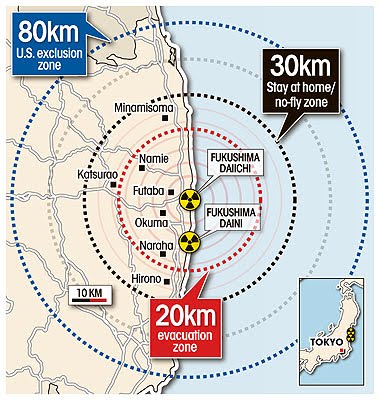

 Posts
Posts


![[Most Recent Quotes from www.kitco.com]](http://www.kitconet.com/charts/metals/gold/t24_au_en_eukg_2.gif)