Sunday, 13 September 2009

i miei rave erano suoni e sogni

.
http://espresso.repubblica.it/dettaglio/i-miei-rave-erano-suoni-e-sogni/2108000/13

I miei rave erano suoni e sogni

Le feste illegali come espressione di libertà. Tribù che vivevano sui camion attraversando l'Europa e occupavano fabbriche con musiche e luci. Il racconto anonimo di uno dei pionieri di quella stagione. Mentre ora dominano spaccio e business

Adesso quando si parla di rave è solo questione di cronaca nera: notizie drammatiche, ragazzi che muoiono per overdose o per una pasticca avvelenata. Un tempo il rave era altro: quello che ne resta è solo il contorno marcio che negli anni è cresciuto ai margini, fino a fagocitarlo e distruggerlo. È per questo che ho accettato di raccontarlo: un tempo parlarne sarebbe stato un tradimento. La sua forza è sempre stata l'alone di mistero che lo circondava e lo rendeva impalpabile al modo esterno. Adesso questo non serve più, anzi, penso che per tutte quelle persone che come me ci hanno creduto, che più di me li hanno fatti nascere e crescere, sia giusto distaccarsi dalla degenerazione di oggi. Non trovo più quella coscienza che gli dava ragion d'essere, che rendeva i free party non solo un'occasione di ballare e sballare, senza limiti e senza regole: adesso vedo situazioni dove qualcuno si può arricchire, trasformandole solamente in business.

Quando tredici anni fa ho conosciuto i rave party ero poco più che adolescente, in un mondo un po' più accessibile ai ragazzi di quanto lo sia oggi. Che lasciava più libertà e più possibilità di espressione. Non era ancora nata la stagione dei divieti, della guerra alla movida e della demonizzazione di ogni divertimento giovanile. Il rave era distante da tutto: totale distacco dal sistema in cui viviamo, senza cercare di combatterlo ma neanche di confrontarsi con le sue regole. Lo si capiva già dalla scelta degli spazi. Riportava la vita in quegli edifici diventati fantasmi: i luoghi dove in passato i lavoratori smettevano di essere persone e venivano usati come ingranaggi. Fabbriche abbandonate, capannoni industriali ridotti a scheletro, senza più il cuore meccanico, pulsante, produttivo.

Lì volevamo andare, per l'enorme disponibilità di spazio, per l'acustica particolare, per la possibilità di crearci dentro un altro mondo fatto di persone, musica, cani. Al centro, come fosse un nuovo cuore, c'era il sound system: un muro di casse potente migliaia di watt. Il resto sorgeva come d'incanto.


Dj Vipera Kernel Panik (source)

Spuntavano fontane di fiamme e giocolieri che illuminavano il buio con il fuoco, installazioni meccaniche colossali e performance che contaminavano tutte le arti. Questo magma partoriva la Taz, acronimo inglese per 'zona temporaneamente autonoma', totalmente libera. Per un periodo da tre a sette giorni nasceva un altro universo, con i suoi equilibri. Equilibri che percepivi solo vivendoci dentro. E una sola regola dominante: 'La festa sei tu!'.

Era l'espressione di una nuova cultura: quella dei traveller, un movimento nato in Inghilterra alla fine degli anni '80. Persone che le feste le organizzavano, le facevano muovere di paese in paese, di cultura in cultura. Spostando generatori, impianti audio, video, strutture meccaniche; viaggiando su veicoli militari, vecchi camion e autobus trasformati in case o magazzini mobili. Tutto questo era una tribe: una comunità di persone, cani, bambini, che viveva su quei mezzi e si spostava come fosse un circo, in carovana. Ognuno aveva un suo ruolo: chi suonava, chi costruiva le casse, chi montava l'impianto del suono, chi riparava i camion, chi creava le performance. Non esisteva il profitto. Tutti i ricavi, quelli degli alcolici venduti nei giorni del party e quelli delle droghe, servivano solo per vivere: per viaggiare, organizzare altre feste, migliorare le attrezzature.

Le tribe si spostavano in continuazione per tutta Europa e talvolta anche oltre, coinvolgendo sempre più persone, creando sempre più Taz. Così altre tribù sono entrate in contatto inventando i teknival, la massima espressione di questa stagione: enormi feste che fondevano un miscuglio di giovani diversi fino a farne un'unica cosa, legate dallo stesso spirito anarchico ma non ideologico, dalla musica di più sound system. Intorno, fuori, lo stupore: l'impossibilità di bloccare questo movimento. La polizia? Era confusa, impreparata. Quando una pattuglia fermava quella carovana, si scatenava il caos. Una confusione senza violenza, semplicemente disarmante. Dai camion scendevano in massa ragazzi vestiti di nero, coperti di tatuaggi e piercing, con moltitudini di cani: c'era chi cominciava a mettere musica, che parlava inglese, francese, spagnolo, ceco, italiano. Quei camion avevano targhe e documenti di altri paesi, forse falsi, impossibili da controllare. Un incubo per gli agenti d'ogni nazionalità che preferivano lasciarci passare. Tanto - pensavano - finché rimangono ai margini, finché stanno lontani dal sistema civile che fastidio danno?

Questo caos era libertà: di spostarsi, occupare temporaneamente spazi inutilizzati e anche di far girare sostanze stupefacenti. Droghe che venivano prese in Olanda, in Inghilterra, alla fonte, là dove venivano fabbricate e non ancora manipolate. Si vendevano a prezzi politici, la qualità era garantita e a nessuno conveniva tirare pacchi: avresti perso rispetto e credibilità. Non era permesso ad esterni di venire a fare il proprio business, mettendo in circolazione acidi sballati, ecstasy tagliata male. Eroina e cocaina restavano fuori. Infatti in Campania la camorra ha vietato subito i rave, sparando contro i camion, per non vedere crollare il suo monopolio e i suoi prezzi.

I luoghi venivano scelti con attenzione: fabbriche senza più proprietari che potessero sporgere denuncia, lontane dai centri abitati, senza ambienti pericolanti. Poi si organizzava la festa. All'inizio il Web non esisteva. Le informazioni giravano a voce o attraverso i flyer: manifestini che venivano distribuiti solo in quegli ambienti. Indicazioni che comunque non segnalavano il luogo, ma un meeting point in cui trovarsi, per poi partire insieme. Questo sistema garantiva la sicurezza e la riuscita della festa. Proteggeva lo spirito dei partecipanti: un equilibrio che funziona fino a quando ognuno è cosciente dei grandi rischi ma anche delle grandi possibilità che incarna una situazione così libera. Se qualcuno si sente male o si prende male, la festa si trasforma in un bad trip per tutti. Quella forte empatia trasmetteva felicità, serenità, complicità ma al tempo stesso poteva diventare un canale riservato alle paure, alle paranoie e all'aggressività. Dentro il rave le parole e le formalità lasciavano spazio agli sguardi, alle sensazioni vissute da tutti. In tutto questo la musica ha un ruolo fondamentale: è veloce (da 180 a 200 battiti per minuto), scandita da bassi martellanti, arricchiti da suoni quasi psichedelici. Tutti ballano in una trance collettiva. La musica non si interrompe mai, occupa tutto il rave, ne scandisce il ritmo: si sostituisce al tempo, fino a farne perdere la cognizione, fino a trasmettere un senso di libertà totale. Nella festa si può ballare fino a crollare, ma anche mangiare, dormire, esplorare ogni angolo della Taz . Mettersi in macchina e uscirne solo quando ce la si sente. Tutti insieme, proteggendo la tribe dalla polizia con la forza del gruppo.

Mi ricordo un teknival organizzato nel 2001 sul Monte Grappa, nell'ex base Nato, durato più di una settimana, con tribe provenienti da Italia, Francia, Inghilterra, Cecoslovacchia, Spagna: decine di migliaia i partecipanti. La Digos arrivò a festa iniziata, senza sapere che fare. Stupiti, aspettavano fuori. B. - una di quelle persone che i rave li aveva fatte nascere, li viveva, ci suonava - gli andò incontrò con piglio milanese e li accompagnò dentro. La ricordo mentre mostrava agli agenti il muro di casse alto 4 metri, mentre gli presentava i gruppi stranieri: "È un festival di musica elettronica e di incontro tra realtà underground europee". Loro increduli, chiesero solo che entro una settimana tutto scomparisse, nello stesso modo in cui era comparso: 'E senza casini!'. E così fu.

Alcune tribe si spinsero in Bosnia prima e in Serbia più tardi sfidando guerre etniche e raid della Nato, per portare la loro energia nei palazzi dilaniati dalle bombe. Il movimento continuava ad allargarsi. E questa crescita poco alla volta ha segnato la fine della stagione che ho conosciuto. Le notizie diffuse su Internet hanno aperto le porte dei rave a chi non ne condivideva i valori. Cominciarono a nascere decine di nuove tribe, che però avevano perso la filosofia libertaria diventando solo organizzatori di eventi illegali. Occasioni di profitto e divertimento, nulla di più. Iniziarono a comparire sempre più spacciatori di professione, ladri, malintenzionati, felici di poter approfittare di persone troppo 'fatte' per proteggersi. Diventò presto un fenomeno sociale: in Francia ogni fine settimana venivano intasate autostrade, deturpate zone verdi, o distrutte strutture. Erano all'ordine del giorno gli stupri, le violenze, i ragazzi morti. Le tribe delle origini sono fuggite, in cerca di terre vergini: nel nuovo mondo, in Sudamerica. Altri si sono dati alla musica creando etichette indipendenti. O al circo. E di quel mondo adesso è rimasto poco o nulla.

testo raccolto da Gianluca Di Feo
(31 agosto 2009)

Saturday, 12 September 2009

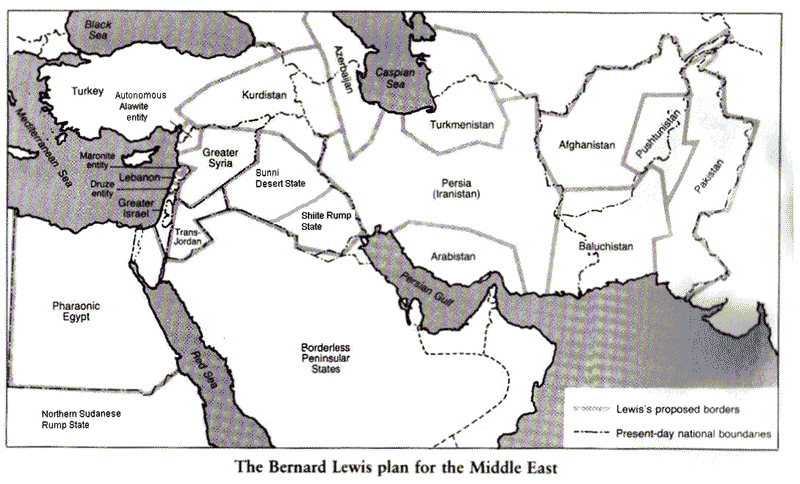
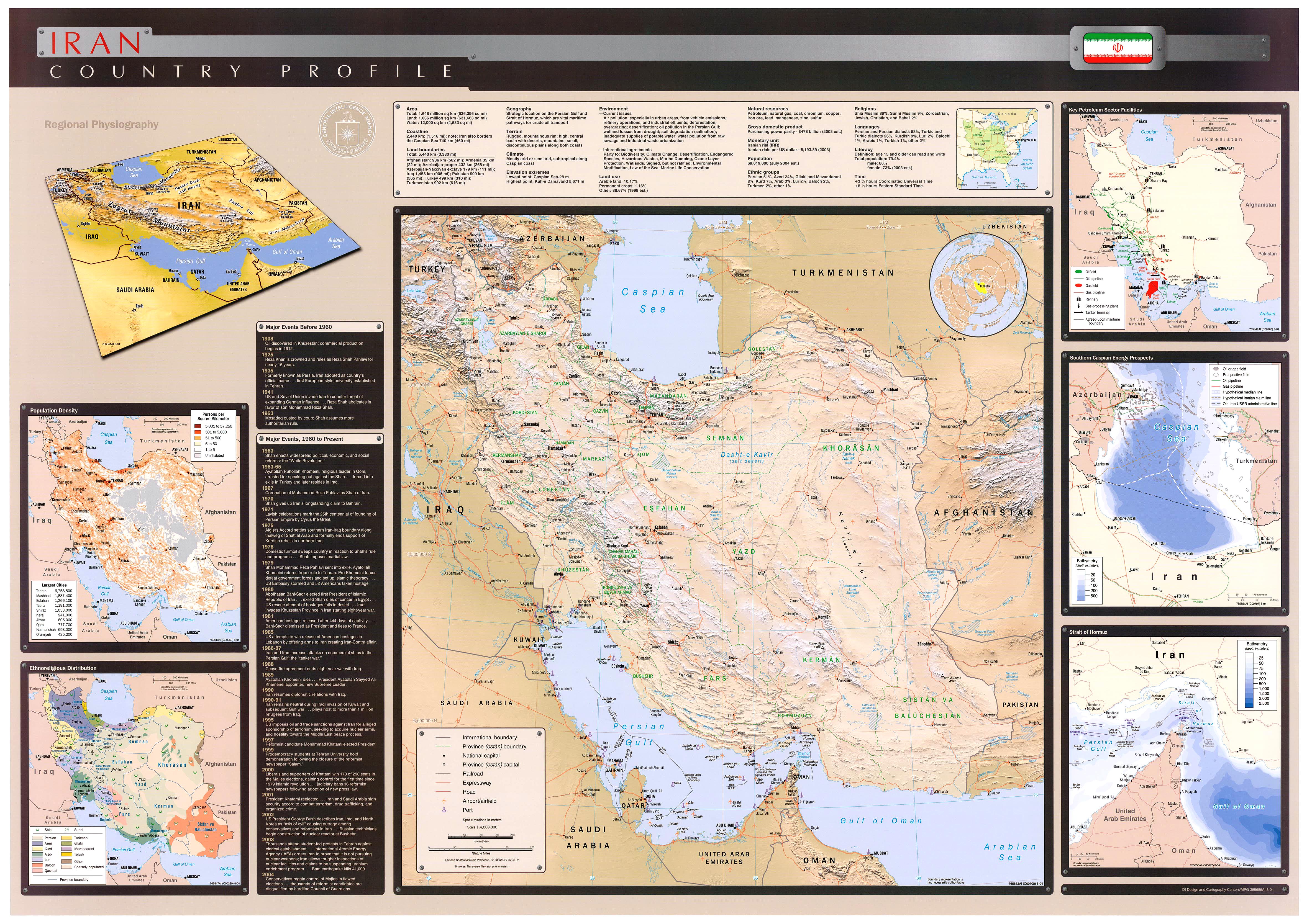
pnac afreurasia petrol energy map

.
overall pnac petrol afreurasia map: http://pakalert.files.wordpress.com/2008/12/overall-pnac-plan.jpg


afpak petrol map: http://pakalert.files.wordpress.com/2008/12/project-for-the-new-american-century-pnac-and-pakistan.jpg


german unity: russia favored building friendship

.
http://www.timesonline.co.uk/tol/news/politics/article6829735.ece

The Times

September 11, 2009

Thatcher told Gorbachev Britain did not want German reunification

Michael Binyon

Two months before the fall of the Berlin Wall, Margaret Thatcher told President Gorbachev that neither Britain nor Western Europe wanted the reunification of Germany and made clear that she wanted the Soviet leader to do what he could to stop it.

In an extraordinary frank meeting with Mr Gorbachev in Moscow in 1989 — never before fully reported — Mrs Thatcher said the destabilisation of Eastern Europe and the breakdown of the Warsaw Pact were also not in the West’s interests. She noted the huge changes happening across Eastern Europe, but she insisted that the West would not push for its decommunisation. Nor would it do anything to risk the security of the Soviet Union.

Even 20 years later, her remarks are likely to cause uproar. They are all the more explosive as she admitted that what she said was quite different from the West’s public pronouncements and official Nato communiqués. She told Mr Gorbachev that he should pay no attention to these.

“We do not want a united Germany,” she said. “This would lead to a change to postwar borders, and we cannot allow that because such a development would undermine the stability of the whole international situation and could endanger our security.”

Her hardline views emerge from a remarkable cache of official Kremlin records smuggled out of Moscow. After Mr Gorbachev left office in 1991, copies of the state archives went to his personal foundation in Moscow. A few years ago Pavel Stroilov, a young writer doing research at the foundation, understood the huge historical significance of what they recorded. He copied more than 1,000 transcripts of all the Politburo discussions and brought them with him when he moved to London to continue his research.

His copies were made just in time, as all the transcripts of Politburo meetings and talks with foreign leaders have now been sealed. The records detail how the Russians reacted to the tumultuous events of 1989 and reveal the frantic attempts by Britain and France to halt moves to German unification by manoeuvring the Soviet Union into opposing it.

They also show the complete bemusement in the Kremlin in the face of riots across Eastern Europe and the flight of thousands of East Germans to Hungary and Czechoslovakia. And they make vividly clear Mr Gorbachev’s hatred of the old East European Communist leaders — he referred once to East Germany’s Erich Honecker as an “arsehole”,and his naive belief that if they were removed from office, East Europeans would be grateful to the Russians for promoting perestroika.

Mrs Thatcher knew full well that her remarks would cause a row if revealed. She was already courting controversy — especially among Solidarity supporters in Poland and the West — by telling Mr Gorbachev that she was “deeply impressed” by the courage and patriotism of General Wojciech Jaruzelski, the Polish Communist leader. She noted, approvingly, that Mr Gorbachev had reacted “calmly” to the results of the Polish elections, in which the Communists were defeated for the first time in an open vote in Eastern Europe, and to the other changes in Eastern Europe.

“My understanding of your position is the following: you welcome each country developing in its own way, on condition that the Warsaw Pact remains in place. I understand this position perfectly.”

Then she launched her bombshell. She asked that her next remarks should not be recorded. Mr Gorbachev agreed — but the Kremlin transcript included them anyway, noting laconically: “The following part of the conversation is reproduced from memory.” She spoke of her deep “concern” at what was going on in East Germany. She said “big changes” could be afoot.

And this led to her fear that it would all eventually lead to German reunification — an official goal of Western policy for more than a generation.

She assured Mr Gorbachev that President Bush also wanted to do nothing that would be seen by the Russians as a threat to their security. The same assurance was later spelt out in person to Mr Gorbachev at the Soviet- American summit off Malta.

The Kremlin records are an extraordinary snapshot of the confusion that accompanied the collapse of communism across Eastern Europe. The Russians knew that East Germany was vital to their interests, but they could no longer afford to prop it up. And Mr Gorbachev was determined not to send in troops in yet another bloody Soviet crackdown.

Amazingly, the Russians even discussed pulling down the Berlin Wall themselves, as revealed in Kremlin notes of a Poliburo discussion on November 3, 1989 — six days before the wall was opened:

[Vladimir] Kryuchkov [head of the KGB]: Tomorrow 500,000 people will come out on the streets of Berlin and other cities . . .

Gorbachev: Are you hoping that Krenz [Honecker’s replacement as party boss] will stay? We won’t be able to explain it to our people if we lose the GDR. However, we won’t be able to keep it afloat without the FRG [West Germany].

[Eduard] Shevardnadze [Foreign Minister]: We’d better take down the wall ourselves.

Kryuchkov: It will be difficult for them if we take it down.

Gorbachev: They [East Germany] will be bought up whole . . . And when they reach world prices, living standards will fall immediately. The West doesn’t want German reunification but wants to use us to prevent it, to cause a clash between us and the FRG so as to rule out the possibility of a future “conspiracy” between the USSR and Germany.

Mrs Thatcher was not the only one worried by events in Germany. A month after the Berlin Wall came down, Jacques Attali, the personal adviser to President Mitterrand, met Vadim Zagladin, a senior Gorbachev aide, in Kiev.

Mr Attali said that Moscow’s refusal to intervene in East Germany had “puzzled the French leadership” and questioned whether “the USSR has made peace with the prospect of a united Germany and will not take any steps to prevent it. This has caused a fear approaching panic.”

He then stated bluntly, echoing Mrs Thatcher: “France by no means wants German reunification, although it realises that in the end it is inevitable.”

In April 1990, five months after the wall came down, Mr Attali said that the spectre of reunification was causing nightmares among France’s politicians. The documents quote him telling Mr Mitterrand that he would “fly off to live on Mars” if this happened.

Mr Gorbachev’s most difficult meetings were with the old guard in the Warsaw Pact. They were all deeply suspicion of his attempts to reform Communism. The fiercest opposition came from East Berlin.

Honecker was aged, unwell and unbending. The East German leadership feared that he was losing control and wanted to dump him. Mr Gorbachev insisted they had to sort things out themselves. Egon Krenz, Honecker’s deputy, thinking that he needed the Kremlin’s permission, had already suggested to Mr Gorbachev a coup. Three weeks later, Honecker was ousted.

Mr Gorbachev saw the chaos for himself when he went to East Berlin for the fortieth anniversary celebrations of East Germany. The entry for October 9 in the diary of Anatoli Chernayev, the Kremlin aide responsible for links with fellow Communist parties, records the tumultuous situation.

“As M.S. [Mikhail Sergeyevich Gorbachev] and Honecker walked together, a continuous roar in the air: ‘Gorby! Gorby!’ emanated from the thousands of people. Nobody paid attention to Erich . . . There were around 20 various leaders in attendance (Zhivkov, Ceaucescu, Nicaraguan Ortega etc) but nobody gave them much heed. All festivities concentrated on Gorbachev’s presence in Berlin.

“On October 10, the Socialist Unity Party of Germany will have a plenum . . . They might overthrow Erich. Otherwise it will soon come to a storm on the wall.”

Mr Chernayev noted that “all of Europe” was raving about Mr Gorbachev in Berlin. “And everybody is whispering in our ear, ‘It is good that the USSR has delicately expressed its stance against German reunification’.”

Politicians who met Mr Gorbachev’s advisers around Europe “say in unison that nobody wants a unified Germany”. Astonishingly, he noted, in France Mr Mitterrand was even thinking of a military alliance with Russia to stop it, “camouflaged as a joint use of armies to fight natural disasters”.

Mr Chernayev recorded Mr Gorbachev’s loathing of Honecker. “M.S. called him an arsehole. He said, ‘He could have said to his people that he has had four operations, he is 78, he does not have the strength to fill his position, so could they please let him go as he has done his duty. Then, maybe, he would have remained an esteemed figure in history.’ ”

If he had left two or three years earlier, he would have had a place in history, Mr Gorbachev said. Instead, Honecker was “cursed by the people”.

After the wall fell, Mr Gorbachev’s relaxed attitude to reunification hardened. At his summit with Mr Bush, he insisted that this should happen only as part of a general rapprochement in Europe. He accused the West of trying to “impose” Western values on Eastern Europe.

He also launched a ferocious attack on Helmut Kohl,the German Chancellor, for hurrying along discussion of unification. The next day, in Moscow, he accused Mr Kohl of issuing an ultimatum, of pushing unification for electoral reasons and of betraying agreements already made with Moscow.

Even in 1990 Mrs Thatcher was still trying to slow things down. “I am convinced that reunification needs a long transition period,” she told Mr Gorbachev. “All Europe is watching this not without a degree of fear, remembering very well who started the two world wars.”

It took another year of tough negotiations involving both Germanies and the four victorious wartime allies before a deal was done on unification.

Translation of the documents and additional research by Sergei Cristo.

Steps to unity

June 12, 1987 President Reagan, in a speech in front of Berlin’s Brandenburg Gate, demands: “Mr Gorbachev, tear down this wall!”

July 17, 1989 Border controls lifted between Hungary and Austria. GDR citizens flee to the West

October 7 During a visit to the GDR, Gorbachev urges reform

October 18 Erich Honecker, East Germany’s head of state, resigns. A new Government prepares a law to lift travel restrictions for East Germans going to the West

November 4 More than 500,000 people demonstrate in East Berlin, demanding reform

November 9 The Politburo announces that East Germans are allowed to move freely into West Germany. Tens of thousands flock to the Berlin Wall. Border guards with no clear orders stand aside and East Germans stream through

November 10 The Brandenburg Gate is opened

May 18, 1990 The two German states sign a treaty on monetary, economic and social union, which comes into force on July 1

October 3 East Germany joins the Federal Republic of Germany

Source: German Embassy and Times database

Friday, 11 September 2009

netanyahu: secret trip to moscow

.
http://www.ynetnews.com/articles/0,7340,L-3775025,00.html

Russian report: Netanyahu may be planning attack

PM's rushed visit to Moscow under cloud of secrecy occupies Russian media. Kommersant paper quotes 'informed Israeli' source as saying 'It can't be ruled out that Israel may be ready to move on to decisive actions with regards to Iran, and Netanyahu decided to inform Kremlin of this'

10 september

Olga Gouresky

Russian media on Thursday continued to cover Israeli Prime Minister Benjamin Netanyahu's mysterious visit to Moscow, that was leaked to the media from his office.

Kommersant newspaper quoted "experts" as saying they believe a visit of this kind could have stemmed from urgent circumstances, "for example, in the event that Israel plans to attack Iran".

At first, Moscow denied a visit ever took place, but after Netanyahu's office was forced to admit to the PM's Military Secretary Meir Kalifi's lie, a senior Kremlin source also confirmed to Kommersant that the Israeli prime minister did indeed visit the city.

Russian media also directed questions on the visit to the Israeli embassy in Moscow, but embassy sources said that if there was such a visit, "We know nothing about it."

The paper then quoted what it called an "informed" Israeli source, who wished to remain anonymous, as saying, "Such a visit could be related to new information and could threaten the Iranian nuclear program. It should not be ruled out that Israel may be ready to move on to decisive actions with regards to Iran, and Netanyahu has decided to inform the Kremlin of this."

Russian Foreign Minister Spokesman Andrei Nesterenko published an announcement saying, "We have no knowledge of a Netanyahu's 'secret' visit to Moscow. We saw reports in various media. They are inconsistent. Other than that, I cannot tell you anything. I have no detailed information in the matter, or any information in the matter. We have seen the reports."

On Wednesday, Ynet revealed that Netanyahu left Israel on a private jet belonging Israeli millionaire Yossi Maiman. Earlier Wednesday, Yedioth Ahronoth newspaper reported that his destination was Russia.

The prime minister's aides who published the false announcements of his whereabouts were a loss for words.

Wednesday night the Prime Minister's Office published yet another announcement in an attempt to rectify the damage, said, "The prime minister was busy with secret, classified activity. The military secretary took his own initiative to defend this activity."
-------------------------------------------------------------------------------------------------
.
http://www.ynetnews.com/articles/0,7340,L-3774201,00.html

Report: PM held secret talks in Russia

Yedioth Ahronoth says Netanyahu's Monday 'disappearance' was actually Moscow visit meant to discuss arms deals between Russian, Iran. PMO asserts Netanyahu was 'handling classified matters,' never left the country

Ynet

10 september

Yedioth Ahronoth newspaper on Wednesday alleged that Prime Minister Benjamin Netanyahu visited Moscow earlier this week, where he is believed to have discussed new weapons deals between Russia and Iran.

The Prime Minister's Office said Wednesday that Netanyahu has not left Israel's borders.

A spokesman for Vladimir Putin told Russian news agency Itar-Tass that he knows nothing about the alleged meeting between the Russian prime minister and his Israeli counterpart. However, the spokesman did not deny nor confirm that Netanyahu had visited Moscow this week.

The spokesman, Dmitry Paskov, said Putin's schedule did not include a meeting with Netanyahu.

Ynet has learned that the prime minister leased a private jet from millionaire Yossi Meiman's Merhav Group because he feared that any flight on an IAF jet would be too vulnerable to Russian and Israeli media exposure.

Reportedly, Netanyahu's office chose to lease at jet from Merhav because they had a jet available on the requested date.

Meiman, owner of Channel 10 and Egyptian gas company, EMG, that supplies gas to Israel Electric Company, is not directly involved in his company's leasing operations. The lease was contracted with one of Meiman's subsidiaries.

Both Merhav and the Prime Minister's Office declined to provide any details about the lease. However, estimates are that the hourly rate of leasing the jet is in the thousands of dollars, and was paid for by the PMO.

Monday morning Netanyahu left his office without reporting where he was headed, his schedule was mysteriously cleared, and his whereabouts were unknown for a several hours.

The prime minster's military secretary later reported Netanyahu had visited a security facility in Israel. At the same time, an Palestinian newspaper reported that Netanyahu had left for a visit in an Arab state that does not have diplomatic ties with Israel.

Ties have been warming between Moscow and Jerusalem in recent months, and it is believed the Russians are showing their gratitude to Israel for responding to their request last year and calling off the sale of tanks and unmanned aircraft to Georgia.

Russian President Dmitry Medvedev told Israeli President Shimon Peres during his last visit to Russia that he had ordered a review of all weapons deals with Syria and Iran, this after Peres presented him with information showing that weapons sold to these countries had been obtained by Hezbollah and Hamas.

"Russia objects to Iran holding nuclear weapons," Medvedev stressed to Peres. "This situation is disturbing to all of us, and we have no doubt that if Iran achieves nuclear weapons, this will lead to a nuclear race in the Middle East, which is the worst possible scenario."

Medvedev also promised to do everything possible to ensure Russian weapons sold to Syria do not reach Hezbollah.

Wednesday night saw the Prime Minister's Office issue yet anther statement in an attempt at "damage control" over Netanyahu's alleged "disappearance": "The prime minister was dealing with matters of a classified nature.

"The military secretary to the prime minister, who had not contacted the PM, took it upon himself to shield this activity by having his communications director issue an independent statement, with the best intentions at heart," said the statement. "National Security Advisor Uzi Arad had no hand in the matter."

Roni Sofer contributed to this report

arctic sea: voyage secret de netanyahu a moscou

.
source réseau Voltaire:
http://www.voltairenet.org/article162016.html

10 septembre 2009

Moscou

Netanyahu s’est bien rendu en secret quelques heures à Moscou

Le cabinet du Premier ministre israélien Benjamin Netanyahu a reconnu que celui-ci s’était rendu secrètement à Moscou en début de semaine. Dans un premier temps, son attaché militaire avait expliqué la disparition du Premier ministre pendant une dizaine d’heure en laissant entendre qu’il avait participé à une réunion particulièrement longue au siège du Mossad.
La presse israélienne a précisé que le Premier ministre avait utilisé un avion privé de la compagnie Merhav, propriété de son ami Yossi Maiman, ex-chef du Mossad en Amérique latine [1].

Le Réseau Voltaire avait été informé de ce voyage éclair avant qu’il ne soit rendu public.
Selon nos sources, ce déplacement serait lié à l’affaire du cargo Arctic Sea. Celui-ci aurait été utilisé pour une opération du Mossad. Moscou, qui n’aurait jamais perdu le cargo de vue, aurait feint de demander l’aide de l’OTAN pour contraindre les Occidentaux à abattre leurs cartes et à dévoiler s’ils étaient ou non impliqués dans l’opération. `
Toujours selon nos sources, les informations erronées selon lesquelles le cargo transportait des armes à direction de l’Iran, dans le cadre d’un trafic mafieux organisé à l’insu des autorités russes, seraient une intoxication disséminée par la partie israélienne pour masquer ses activités.
Cependant la nature exacte de ces activités ne nous a pas été précisée.

L’Artic Sea est un navire armé par une société finlandaise et battant pavillon maltais. Son propriétaire et son équipage son russes. Il effectuait officiellement un transport de bois entre Finlande et l’Algérie. Il a été pris d’assaut par un commando armé, usurpant des uniformes suédois, le 24 juillet au large de la Suède. les autorités maritimes auraient perdu tout contact avec lui après le 20 juillet. Le 14 août, la Russie déclara qu’il avait été détourné et mobilisa des moyens militaires considérables pour retrouver ses ressortissants (et la cargaison). Elle sollicita l’aide de l’OTAN dans sa recherche. Elle déclara avoir localisé le navire le 17 août au large du Cap vert. Elle en reprit le contrôle, rapatria l’équipage avec interdiction de contact avec la presse et plaça les membres du commando au secret.

[1] Sur Yossi Maiman, lire « L’Égypte subventionne l’électricité en Israël », Réseau Voltaire, 3 mai 2008.

Tuesday, 8 September 2009

arctic sea: media decoy, russian dolls?

.
Arctic sea: media decoy, russian dolls?

Moscow may have been tempted as the cold war was being reignited also around the North Pole, to experiment some new media tactics aiming at delivering a strong warning about Russia's determination regarding its arctic stakes.

Could a bunch of small street punks really have staged an ambitious international weapon scam, abused a "derelict corrupt Russia" and made a fool of it - thanks to a generous media coverage?

Or has some PR "Kasparov" cabinet convinced the Kremlin to bait a gullible gang -with the appropriated kind of caviar, and a duly named boat, manned by a FSB / GRU crew- in order to show that Russia's military might will be fully deployed to defend the Arctic Sea, meaning the Arctic "tout court"?

One matryoshka may well reveal another one.

Alexandre de Perlinghi

-------------------------------------------------------------------------------------------------

http://www.telegraph.co.uk/news/worldnews/europe/estonia/6143608/Hijackers-of-Arctic-Sea-ghost-ship-in-murky-waters.html


'Hijackers' of Arctic Sea ghost ship in murky waters

How did petty thugs, drunks and drug dealers get arrested on a hijacked freighter and become linked to espionage, gun running and the Russian Mafia?

Colin Freeman and Andrew Osborn in Moscow report

8:18PM BST 05 Sep 2009

On the vast Soviet-era housing estate where they grew up, they were notorious - one killed a man in a barfight, another was a petty drug dealer, and others had convictions for drunkenness and thuggery.

What nobody in the peeling, windswept towerblocks of Lasnamae can believe, though, is that wayward neighbours like Dmitry Bartenev and his friends would ever have graduated to international criminal espionage, involving secret arms deals, the Kremlin and Mossad.

That, however, was the question being asked last week on the streets of this drab suburb of Tallinn, capital of the Baltic state of Estonia, as a detailed picture emerged for the first time of the men accused of July's mysterious hijacking of the Arctic Sea.

The vessel, which vanished for several days after being boarded by "pirates" in the Baltic, is currently at the centre of the greatest Cold War riddle since the killing of Alexander Litvinkenko, with theories abounding that it was carrying an illicit cargo for the Kremlin or the Russian Mafia.

Only two days ago, the sense of intrigue grew yet greater with the news that a well-informed Russian journalist who had speculated that it might have been smuggling weapons had fled the country after receiving threatening phone calls from "high level" people.

Mikhail Voitenko, editor of the online Maritime Bulletin, said he had feared for his life after a warning call from a "cold official voice" thought to be an intelligence agent. "Very important government people got involved in this business," he told the Sunday Telegraph from Turkey. "I ran away because I was afraid."

Speculation is now mounting that the hijack was some Israeli attempt to intercept a clandestine weapons cache bound for either Iran or Syria. Yet none of those arrested when Russian navy ships finally found the Arctic Sea off the West African coast in mid-August resemble either elite Mossad agents, or indeed criminal masterminds.

The eight suspects – six from Estonia, two from neighbouring Latvia – are all now awaiting trial in a Moscow jail, facing up to 15 years in prison for allegedly hijacking the ship at gunpoint.

So far, though, the most striking feature about the gang is that most of them appear to have grown up within a few blocks of each other in Lasnamae, a district home to much of Estonia's ethnic Russian minority. And if inquiries by the Sunday Telegraph there last week were anything to go by, the only thing that might have qualified them as pirates is a shared fondness for brawling, tattoos and intoxicants.

Estonian officials have confirmed that two of the men, Dmitri Bartenev, 42, and Yevgeny Mironov, 30, were on probation at the time that they were arrested. Mironov had recently been released from prison for manslaughter after a fight in a bar in Tallinn in 2001, while Mr Bartenev, who had served in the merchant navy, had been in trouble for possessing amphetamines and drink driving. According to the Moscow prosecutors investigating the case, a total of six of the eight suspects had served prison terms between 2001 and 2005, with offences ranging from burglary to extortion.

"I have recognised many of their pictures in the newspapers, and it is strange to think that they all grew up around here," said a baffled Mila Savitska, 41, one of many residents who recognise the men variously as classmates, neighbours or troublemakers. "Some of them, also, got on the wrong side of the law. But would they have been the kind of people to get involved with this business with the Arctic Sea? I don't think so. It is out of their league."

Mr Bartenev and his companions are supposed to have boarded the ship in the Baltic Sea and then forced the crew to sail south through the English channel and on towards the Cape Verde Islands, in what was initially billed the first piracy case in European waters in centuries. While it was originally thought the ship might have been carrying drugs, the fact that the Kremlin ordered a large-scale naval operation to track it down has prompted suggestions of a far more sensitive contraband, such as an illicit weapons or nuclear shipment. Although the Kremlin itself might not have been directly involved, the contraband shipment could have been the work of rogue security or Mafia elements, as the Litvinenko murder is often purported to have been.

Such scenarios gained further currency last week when the European Union's rapporteur on piracy, former Estonian admiral Tarmo Kouts, said he believed it was possible that the boat could have been carrying weapons to either Iran or Syria. "We don't really know what was on the ship, but there is a reason to think that it was something other than timber," he said.

Many observers say that events immediately before and after its disappearance lend credence to that scenario. Prior to its eventful journey, the freighter had spent a fortnight undergoing repairs in Kaliningrad, a notorious Russian smuggling enclave on the Baltic Sea, where some believe it could have been fitted with secret compartments. And the day after Russia announced that it had found the ship, Israeli president Shimon Peres paid a visit to President Dmitry Medvedev in the Black Sea resort of Sochi. Details of their discussions have not been revealed, although a statement from the Israeli Foreign Ministry said that Mr Peres had raised the matter of the "the sale of Russian weapons and military hardware to countries hostile to Israel".

However, if Israel had intended to intercept the cargo, why would they entrust such a sensitive task to a crew of motley Estonians with criminal records? One possible explanation is that the "interception" was actually carried out by a gang posing as Swedish policemen, who were reported to have briefly boarded the boat and interrogated the crew a couple of days before it was "hijacked". But in that case, what were the hijackers themselves after?

Alexander Samodaikin, the lawyer for Estonian suspect Alexei Buleyev, insists they were not hijackers at all, but a group of environmental activists, who only boarded the boat after their motorised dinghy ran out of petrol. "They were supposed to photograph ships breaching environmental legislation in the Baltic Sea," he said. However, his claim that they were simply innocents who strayed into some high-level trafficking scandal raises more questions than it answers. For a start, none of the men have yet named the environmental group they were working for, nor could Mr Somadaikin explain why it needed eight of them to take photographs. Other aspects of his client's version of events are even more bizarre, such as his claim that rather than taking the crew hostage, they spent their time drinking vodka together. If so, sceptics say, the vodka must have been flowing very liberally - otherwise, why on earth were the "eco-activists" content to remain on board as the boat sailed all the way to the Cape Verde islands?

Indeed, the only thing that now seems certain is that unlike the Cold War espionage thrillers which it so closely resembles, the crucial final chapter in the mystery of the Arctic Sea is likely to be missing forever. Crew members have already been told by the Kremlin not to talk publicly on any account, while the vessel itself is now en route for "investigation" at a Russian military docks, where any incriminating cargo can easily be kept hidden. And while the debates about what really happened will no doubt go on, one voice who is likely to be weighing his contributions more carefully is the fugitive Maritime Bulletin editor, Mr Voitenko. Yesterday, the rumours were that he had already moved on to Thailand, and when the Sunday Telegraph tried to contact him again, his phone line was dead.

related article: http://www.telegraph.co.uk/news/worldnews/europe/russia/6145336/Arctic-Sea-ghost-ship-was-carrying-weapons-to-Iran.html

Sunday, 6 September 2009

cardoso: "the war on drugs has failed!"

.
http://www.guardian.co.uk/world/2009/sep/06/brazil-cardoso-war-drugs-decriminalisation

Former president of Brazil says hardline war on drugs 'has failed'

Fernando Henrique Cardoso urges global decriminalisation of cannabis use

Gaby Hinsliff, political editor

The Observer, Sunday 6 September 2009


The war on drugs has failed and should make way for a global shift towards decriminalising cannabis use and promoting harm reduction, says the former president of Brazil, writing today in the Observer. Fernando Henrique Cardoso argues that the hardline approach has brought "disastrous" consequences for Latin America, which has been the frontline in the war on drug cultivation for decades, while failing to change the continent's position as the largest exporter of cocaine and marijuana.

His intervention, which will reignite growing debate in Europe about how to tackle drugs, was welcomed yesterday by campaigners for drug law reform who increasingly see the impact on developing countries where drugs are produced as critical to the argument.

"After decades of overflights, interdictions, spraying and raids on jungle drug factories, Latin America remains the world's largest exporter rof cocaine and marijuana," Cardoso writes. "It is producing more and more opium and heroin. It is developing the capacity to mass produce synthetic drugs. Continuing the drugs war with more of the same is ludicrous."

Cardoso, a sociologist, said Argentina, Mexico, Colombia, Bolivia and Ecuador had all now taken steps towards drug law liberalisation and that change was "imminent" in Brazil. The way forward worldwide would involve a "strategy of reaching out, patiently and persistently, to the users and not the continued waging of a misguided and counterproductive war that makes the users, rather than the drug lords, the primary victims," he added.

Danny Kushlick of Transform, which campaigns for drug liberalisation, said Cardoso's intervention illustrated the human cost of efforts to combat the drugs trade on often poor and underdeveloped producer countries: "Until this problem is taken up as a development issue it's not going to move anywhere. The default position is that this is a problem of addiction, but people have completely missed the point of the war on drugs, that the vastly detrimental effects are largely in production and transit. If you look at a nation state like Guinea Bissau, which was a fragile state before and now is a fragile narco-state, that is a prime example of the vulnerability of developing countries to the fact that these drugs are incredibly expensive."

Cardoso's article follows the conclusions published earlier this year of a commission on drugs composed of three former Latin American leaders, who had been lobbying Washington for a change in its conduct of the war on drugs. Barack Obama's election to the White House is viewed as an opportunity for fresh thinking, with Cardoso among guests invited to a discussion on drugs policy with him before he became president.
.........................................................................................................................................................................

http://www.guardian.co.uk/commentisfree/2009/sep/06/cardoso-war-on-drugs

The war on drugs has failed. Now we need a more humane strategy

Fernando Henrique Cardoso argues the case for a new global policy

Fernando Henrique Cardoso

The Observer, Sunday 6 September 2009

It is time to admit the obvious. The "war on drugs" has failed, at least in the way it has been waged so far. In Latin America, the "unintended" consequences have been disastrous. Thousands of people have lost their lives in drug-associated violence. Drug lords have taken over entire communities. Misery has spread. Corruption is undermining fragile democracies.

And, after decades of over-flights, interdictions, spraying and raids on jungle drug factories, Latin America remains the world's largest exporter of cocaine and marijuana. It is producing more and more opium and heroin. It is developing the capacity to mass-produce synthetic drugs.

Continuing the drugs war with more of the same is ludicrous. What is needed is a serious debate that will lead to the adoption of more humane and more effective strategies to deal with the global drug problem. Earlier this year the Latin American Commission on Drugs and Democracy, which I co-chaired with the former president of Colombia, César Gaviria, and the former president of Mexico, Ernesto Zedillo, released the first high-level statement ever to endorse harm-reduction generally and decriminalisation of marijuana specifically.

The core conclusion of the statement is that a paradigm shift is required away from repression of drug users and towards treatment and prevention. The challenge is to reduce drastically the harm caused by illegal narcotics to people, societies and public institutions.

To move in this direction, it is essential to differentiate between illicit substances according to the harm they inflict. The status of addicts must change from that of drug buyers in the illegal market to that of patients cared for in the public health system. Police activities can then be better focused against the drug lords and organised crime.

The shift towards harm-reduction efforts and decriminalisation has already begun. Recently, a landmark ruling by Argentina's supreme court and a law passed by Mexico's Congress have for all practical purposes removed criminal penalties in those countries for the possession of small amounts of drugs for personal and immediate consumption.

Colombia was the first country to take this step. A decision by its constitutional court in 1994 scrapped penalties for private consumption. Bolivia and Ecuador have liberalised their drug laws. Change is also imminent in Brazil. The chief justice of our highest court made a public appeal for clarification of the differentiation between drug user and drug dealer. A current ambiguity in the law effectively opens opportunities for police corruption and extortion. Brazil's legislature is about to consider a new law to remove penalties for the consumption of small amounts of marijuana.

This is consistent with the broader trend in Europe: the Netherlands decriminalised years ago; Portugal followed in 2001, stressing that criminalisation drove resources away from treatment and deterred people from seeking help for addiction – the number of people using drugs before decriminalisation was higher than afterwards. In the United States, backing for decriminalisation and treatment alternatives to prison is growing, but has still not achieved a critical mass of support and momentum behind traditional – failed – punitive policies remains strong.

There is still a long way to go. The trend towards decriminalisation for possession helps to empower a public health paradigm. It breaks the silence about the drug problem. It enables people to think in terms of approaching drug abuse in a way that is not first and foremost a matter for the criminal justice system. Reducing the harm caused by drugs goes hand in hand with reducing consumption.

Repressive policies towards drug users are firmly rooted in prejudice, fear and ideological visions, rather than in cold and hard assessment of the realities of drug abuse. The approach recommended in the commission's statement does not imply complacency regarding narcotics and their purveyors. Abuse of drugs is harmful to health. Abused drugs undermine a user's decision-making capacity. Needle-sharing spreads HIV/Aids and other diseases. Addiction can lead to financial ruin and abuse of family, especially children.

To be credible and effective, decriminalisation must be combined with robust prevention campaigns. The profound drop in tobacco consumption in recent decades shows how public information and prevention campaigns can be effective when they are based on messages that are consistent with the experience of those they target.

No country has devised a comprehensive solution to the drug abuse challenge. And a solution need not be a stark choice between prohibition and legalisation. Alternative approaches are being tested and must be carefully reviewed. But it is clear that the way forward will involve a strategy of reaching out, patiently and persistently, to the users, and not the continued waging of a misguided and counterproductive war that makes the users, rather than the drug lords, the primary victims.

• Fernando Henrique Cardoso was president of Brazil from 1995-2003
..........................................................................................................................................................................

http://www.guardian.co.uk/theobserver/2009/sep/06/war-on-drugs-latin-america


Is America ready to admit defeat in its 40-year war on drugs?

A wave of decriminalisation is sweeping through Latin America

Ed Vulliamy in Tijuana

The Observer, Sunday 6 September 2009

Bruno Avangera, a 40-year-old web designer from Tucumán in Argentina, pauses to relight a half-smoked joint of cannabis. Then he speaks approvingly of "progress and the right decision" by the country's seven supreme court judges, who decided last week that prosecuting people for the private consumption of small amounts of narcotics was unconstitutional.

"Last year three of my friends were caught smoking a spliff in a park and were treated like traffickers," he said. "They went to court, which took six months. One went to jail alongside murderers. The others were sent to rehab, where they were treated for an addiction they didn't have, alongside serious heroin and crack users. It was pointless and destroyed their lives."

The court's ruling was based on a case involving several men caught with joints in their pockets. As a result, judges struck down an existing law stipulating a sentence of up to two years in jail for those caught with any amount of narcotics. "Each individual adult is responsible for making decisions freely about their desired lifestyle without state interference," the ruling said. "Private conduct is allowed unless it constitutes a real danger or causes damage to property or the rights of others."

Is the "war on drugs" ending? The Argentinian ruling does not stand alone. Across Latin America and Mexico, there is a wave of drug law reform which constitutes a stark rebuff to the United States as it prepares to mark the 40th anniversary of a conflict officially declared by President Richard Nixon and fronted by his wife, Pat, in 1969.

That "war" has incarcerated an average of a million US citizens a year, as every stratum of American society demonstrates its insatiable need to get high. And it has also engulfed not only America, but the Americas.

At El Paso at the end of the month, experts from the US and Mexico will gather to take stock and thrash out alternatives. El Paso stands cheek by jowl with its twin city, Ciudad Juárez, across the Rio Grande. There, last Wednesday, the day after the Argentinian court ruling, cartel gunmen broke into the El Aliviane drug rehabilitation centre, lined 17 young people against a wall and cut them down with a fusillade of machine-gun fire. Troops last night captured the suspected killer, Jose Rodolfo Escajeda, considered one of the most brutal hitmen in Chihuahua and one of the leaders of the Juárez cartel. The executions, coming shortly after the killing of 40 people over three days in Juárez two weeks ago, take the death toll to about 1,400 this year, making it the most dangerous city in the world.

Never have the war on drugs and its flipside, the drug wars, raged so furiously as on this anniversary. Yet Mexico's is only the latest in a series of murderous conflicts that have scarred the pan-American war on drugs, starting with Operation Condor in the 1970s, whereby the US helped Mexico to obliterate poppy crops, only to give birth to the new cartels and institutionalised corruption.

Meanwhile, there have been catastrophic drug wars and narco-insurgency in Colombia, combining with political struggles to create the biggest internal displacement of people in the western hemisphere. Drug-related violence has blighted Brazil, Peru, Bolivia, Venezuela and anywhere the Mexican and Colombian cocaine cartels sought their product. Latin America has also become a factory for synthetic drugs, much of it now under Mexican control.

Latin America is seeking a different route to that of outright interdiction as advocated – and for decades directed – by Washington. The new thinking is emblematic of a new era in South American politics and statehood, in which the lexicon demands partnership with the US, not the subjugation that hallmarked the presidencies of Nixon, Reagan, the Bushes and Clinton.

Argentina's president, Cristina Fernández, has openly supported freeing up the courts of cases involving people caught with small amounts of drugs. In 2008, she said she complained that in Argentina "an addict is condemned as if he were a criminal". The government's cabinet chief, Aníbal Fernández, said the decision was a move away from "the repressive politics invented by the Nixon administration" and will offer the opportunity for the state to focus on going after major traffickers.

But a line is drawn between marijuana and hard drugs, the decision being seen as a step towards freeing resources for the battle against "paco" cocaine paste, a cheap but toxic and addictive drug that has swept through Argentina's barrios. Between 2001 and 2005, the use of paco increased by more than 200%.

Brazilian drugs campaigners see decriminalisation as a way of wresting power from heavily armed gangs. Under Brazilian law, possession of any drug is a crime, and any move to relax drug laws is likely to face fierce opposition from the Brazilian right and the Catholic church.

But "for South American countries, the 'harm' from drugs comes less from drug use than the war against producers and traffickers", said Benjamin Lessing, a University of California researcher. "The bloodshed in Mexico is grabbing headlines, but thousands of people die every year in Rio de Janeiro in clashes between police and traffickers."

Eduardo Machado, an activist from the PE Body Count group, which documents homicide levels in Recife, one of Brazil's most violent cities, said the country's war on drugs had sidelined debate over "the huge public health problem" they caused. "As long as we look at the problem of drugs in terms of repression, we will carry on failing," he said. "As long as the debate about drugs revolves around being more or less repressive, we will continue to lose thousands of young lives each year."

Even before conventional wisdom began to turn against the war on drugs, some leftwing leaders in Latin America had their own reasons to shun collaboration with the US. Not only was the policy failing, they said, but it was a pretext for Washington meddling.

Venezuela's president, Hugo Chávez, cut ties with the US Drug Enforcement Administration in 2005, accusing its agents of espionage. In Bolivia, President Evo Morales, a Chávez ally, expelled American counter-narcotic agents, also claiming they were spies. He campaigned to rehabilitate the maligned coca leaf as a sacred Inca symbol with medicinal and ceremonial properties. On one occasion, he brandished a leaf during a speech to the UN general assembly and offered coca tea to visiting dignitaries. When addressing Aymara Indians, the president is known to shout: "Long live the coca leaf, death to the Yankees!"

Bolivia's impoverished highlanders revere Morales as a fellow cocalero – coca grower – and are grateful the era of coca crackdowns and shoot-outs with US-backed drug officials is over. Morales, however, has promised zero tolerance for cocaine, which he considers a malign perversion of the coca leaf.

Ecuador's president, Rafael Correa, another leftwinger, has refused to renew the US military's lease on its base at Manta which was used for counter-narcotics operations in the Pacific. Last year the president pardoned 1,500 "mules" who had been sentenced to jail, saying they were impoverished people who had been exploited. Ecuadorean legislators have signalled they will follow Argentina in decriminalising cannabis.

Despite almost a decade of US-backed counter-insurgency operations, Colombia's cocaine output has proved remarkably resilient, a tribute to the ruthlessness and inventiveness of coca growers, guerrillas, paramilitaries and smugglers.

Peru, the second-largest cocaine exporter after Colombia, is the odd country out in South America's shift against the drug war. It has made no move towards decriminalisation and is braced for confrontation. Shining Path guerrillas, a near-extinct movement, have roared back in the past 16 months, killing soldiers and police and seizing control of coca-producing valleys.

Mexico is in a curious position: a battlefield in a drugs war that has claimed some 14,000 lives since December 2006, but also a laboratory for an experiment that goes beyond even Argentina's – opting no longer to prosecute those carrying small quantities of marijuana, cocaine, heroin or synthetic drugs.

Decriminalisation is openly aimed at redirecting stretched resources against the warmongers and opening prison space to accommodate them rather than petty addicts. Few serving Mexican politicians have tried to pretend that, without the war, the legislation would not have been considered.

In Tijuana, addicts cannot believe their luck – those arriving at the Narcóticos Anónimos session are amazed that possession of up to four lines of cocaine or 50mg of heroin will be legal. Juan Morales Magana, 17, a windscreen-washer and registered methamphetamine and heroin addict, was working out how many hits the legal limit of 40mg of meth would get him, though his counsellor, an evangelical pastor, was ambivalent: "I wouldn't want anyone to think that, just because it is legal, one should live like this for fun. Drugs are the scourge of our society. All this can do would limit killing between small-time cholos [gangsters] for street-corner turf, allowing the army to go after kingpins and middle men. The danger is that kingpins will accelerate the domestic market if possession is legal and smuggling into the US more difficult."

In barrios such as this, drugs are sold from tienditas controlled by gangs that operate an outsourced tender system for the battling cartels. "It's unsure how the legislation will affect actions against the tienditas," said police officer Elisio Montes, whose two best friends, his former boss and assistant, were murdered by executioners for the cartels.

"Personally, I sometimes wish drugs would be made legal so that the gringos can get high and we can live in peace. Then I say to myself: no – these drugs are addictive after one single hit. They're terrifying – they destroy lives, they destroy our young people. If they are legal, they will buy more."

A further reason for scepticism is the prospect of mass drugs tourism from the US. This is not what Mexican businessmen in the border town of Nogales, Sonora, had in mind last Tuesday when they discussed how to restore the image of cities that until recently enjoyed thriving trade from Americans looking for cheap pharmaceuticals, dental treatment, souvenirs, alcohol and sex.

The prospect of border towns becoming the equivalent of Amsterdam, only with cocaine and heroin freely on sale, was not discussed. "It's interesting,' said hotelier Jesus Antonio Pujol Irastorza. "I have seen a lot written about this potential problem in the US media, but almost nothing in the Mexican press."

"For a country that has experienced thousands of deaths from warring drug cartels," said San Diego police chief William Lansdowne, "it defies logic why they will pass a law that will clearly increase drug use."

The counter-voices will continue to make themselves heard. But even in the US, the discourse on drugs is changing. The prosecutor general in Baja California, Rommel Moreno, said months ago that he found it "very hard" to talk to his American counterparts "about fighting drugs with any means other than interdiction", but senses "an important shift". Officials in the border states talk about legalising marijuana for personal use, while Professor David Shirk, director of the Trans-Border Institute in San Diego, said: "I think it is inevitable that possession of marijuana will be legal in the US within a decade."

Powerful voices against prohibition will create the underlying theme at the major conference in El Paso this month and there is even a movement of police officers and law enforcement agents urging decriminalisation, unthinkable until recently. "Today, drugs are illegal, they are out of control, and they are everywhere", said Kristin Daley, projects director for Law Enforcement Against Prohibition. "If they were managed in the way that alcohol is, they would be under control. Instead of criminals getting richer, violence escalating and drug-related deaths on the rise, we would live under a system of established pricing, peaceful purchase and a regulated labelling system."

But they remain wary in Tijuana. Before the drug war, this border city was a capital of vice tourism, which has now disappeared. Tijuana lies opposite San Diego, from where most of those seeking prostitutes and other distractions came, and where a letter recently appeared in the local Union Tribune newspaper from Omar Firestone, principal cellist in the Orquesta de Baja California. He warned that the last thing the city needs is "offering sanctuary to American druggies" who will "draw the worst of our society to the streets of Tijuana and increase the flight of those seeking a better life. I guess the cartels needed a government bailout."

Thursday, 3 September 2009

washington's imprimatur reaches islamabad

.
http://www.ahmedquraishi.com/latest_col.php?id=104

Anne Patterson Blocks Shireen Mazari

US Ambassador In Pakistan Forces A Newspaper To Censor A Known US Critic

Finally, the Americans take their revenge. Dr. Mazari single-handedly threw cold water on Washington's plan last year to send a rabidly anti-Pakistani US army general as defense attaché to Islamabad. The Pakistani government quietly accepted the appointment. But Dr. Mazari broke the story and aborted the plan. When the new pro-US elected government seized power, Mr. Zardari's special assistant Husain Haqqani's first order of business was to fire Dr. Mazari from her official post. And now the US ambassador succeeds in blocking her column. Welcome to the Banana Republic of Pakistan where soon US ambassadors will have the right appoint presidents and prime ministers. Some say they already do.

By AHMED QURAISHI


Wednesday, 2 September 2009.

WWW.AHMEDQURAISHI.COM

ISLAMABAD, Pakistan—United States Ambassador Anne W. Patterson intervened with one of the largest newspaper groups in Pakistan to force it to block today a decade-old weekly column by a prominent academic and critic of US policies. Dr. Shireen Mazari, the former director of the Islamabad Institute of Strategic Studies and a mordant critic of US blunders in Pakistan and the region, was stunned when her column failed to appear in today's edition of the newspaper. This happened after the US ambassador sent a 'private' letter to the management of The News International, one of the largest English-language dailies of Pakistan. This is a new high for American influence inside Pakistan. Never before did a US ambassador manage to force such a change in a newspaper's policy. For those who are new to Pakistan, this is equivalent to having Maureen Dowd or Tom Friedman's column knocked off the pages of the New York Times because Dick Cheney does not like their criticism. Unlike Ms. Patterson in Pakistan, her colleague in London, ambassador Louis Susman, could never dream of achieving a similar feat by, say, convincing The Times of London to block a column by David Aaronovitch. Or the US ambassador in Moscow, John Beylre, Jr., who could never even think of forcing Komsomolskaya Pravda to do anything remotely similar. They have Vladimir Putin in Russian who knows how to protect his country's interest. Only in Pakistan, where American meddling has reached alarming proportions and risks turning this second largest Muslim country and the world's seventh declared nuclear-armed nation into another version of Latin America's banana republics where Washington has been known to change governments at will. The US achieved a feat last year when it forced the country's military establishment under a weak and insecure Pervez Musharraf to strike a 'deal' to forgive the questionable illegal wealth and other criminal cases against several Pakistani political figures in order to help them come to power in exchange for supporting US policies in Pakistan. Another major break for Washington is Pakistan's acquiescence in the construction in Islamabad of what will soon become the largest US embassy in the world. Recently, members of privately armed US militias have been spotted in Islamabad, in some cases roughing up Pakistani citizens, without the Pakistani government daring to take action. But blocking Dr. Mazari's column is a new high for American influence in Pakistani affairs. She especially earned the ire of the Americans last year when she single handedly threw cold water on US plans to post a notoriously anti-Pakistan US army general to Islamabad. It was March 2008 when the new pro-US government in Islamabad allowed Washington to post Major General Jay W. Hood as the Chief, Office of the Defence Representative in Islamabad. But Dr. Mazari broke the news of the appointment through her column, creating an uproar and forcing the Pakistani government to reject the appointment. Dr. Mazari held a press conference today at the Islamabad head office of Pakistan Justice Movement, or PTI, a political party headed by cricket star Imran Khan where she is a senior official handling foreign policy issues. Ambassador Anne Patterson is reported to have sent a letter to the management of the newspaper protesting at Dr. Mazari's writings, especially on the question of the presence of Blackwater and other private American militias on Pakistani soil. Interestingly, Ms. Patterson said she did not want to see her letter published in the newspaper and insisted it be kept private. It is also not clear if Ms. Patterson actually threatened legal action or other form of protest or pressure if the newspaper continued to publish Dr. Mazari's columns. The newspaper editorial team is said to be ready to publish the blocked column later, possibly with some editing. Frankly, no one can blame a newspaper for protecting its interest when the very government of Pakistan seems incapable of protecting the national interest. Had Pakistan had a truly nationalistic government in Islamabad, one that inspired confidence, I can imagine that any newspaper would have politely deflected undue pressure from a foreign diplomat. But the very fact that the column failed to run marks a victory for the US embassy and a fresh sign of the growing US influence and meddling in Pakistan's internal matters. It is not clear if Ms. Patterson sought the permission of the Pakistan Foreign Office before directly contacting a Pakistani newspaper to exert pressure. This is the fourth attempt by the US Embassy to silence Dr. Mazari, whose incisive political commentary based on her close brush with power corridors in Islamabad over the years has given the Americans and the Brits a constant headache. Her columns are fodder for those who advocate a more nationalistic and Pakistan-centric approach in dealing with Washington instead of the current approach where the United States is reaping strategic benefits at the expense of Pakistan's interests and stability. In 2006, the US ambassador at the time, Ryan Crocker, is reported to have warned Pakistan's foreign secretary Mr. Riaz Khokar, that he will consider Dr. Mazari's writings to be reflective of official Pakistani thinking because Dr. Mazari was heading a think tank financed by the Foreign Office. The US diplomat demanded Dr. Mazari, according to her, be removed from office or told to stop criticizing US policies. The foreign secretary resisted the pressure and Dr. Mazari continued her policy discourse. The interesting thing is that the first order of business for the present pro-US government in Islamabad after seizing power last year was to fire Dr. Mazari. Her ousting was engineered by Mr. Husain Haqqani, Pakistan's ambassador to Washington who is widely known in Pakistan as a staunch American apologist. Many jokingly call him 'America's ambassador to the Pakistani embassy in Washington.' So it was no surprise that Dr. Mazari was fired as soon Mr. Haqqani's government came in power. I personally faced a similar situation when a US diplomat telephoned me in November 2007 to accuse me of spreading anti-Americanism on the state-run PTV. My crime was to start a series of talk shows discussing how our ally the US turned Afghanistan into a hub for anti-Pakistan forces in the region. The lady US diplomat used a cheap trick to intimidate me when she asked, 'Does Musharraf know what you're doing?' My answer was, 'Does President Bush know when US media frequently runs anti-Pakistan articles?' Dr. Mazari is not disheartened by this episode. 'They might have knocked me off this time,' she told me today after her press conference, 'but the last round will be mine. The Americans can't gag me in my own country.' And that is exactly what the newspaper, The News International, has assured her of.

© 2007-2009. All rights reserved. AhmedQuraishi.com & PakNationalists Verbatim copying and distribution of this entire article is permitted in any medium without royalty provided this notice is preserved.

.........................................................................................................................................................................
.
http://www.ahmedquraishi.com/article_detail.php?id=787

see pdf map:

http://www.reliefweb.int/rw/fullMaps_Sa.nsf/luFullMap/52E23D6634AB818BC125731B0049AA53/$File/ithaca_FL_pak070716.pdf?OpenElement

ALERT: America Targets Pakistan And Silences The Critics


Dr. Shireen Mazari has had the honor of being one of the targets of the US Embassy in Islamabad particularly since 2008 when in her columns she broke the news of US Army's General Hood coming to Pakistan and the 11 conditions that the Pakistani government was quietly planning to accept granting unfettered access in Pakistan for US personnel with no legal restraints.


By Shireen M. Mazari

Wednesday, 2 September 2009.


WWW.AHMEDQURAISHI.COM


ISLAMABAD, Pakistan—While US diplomats target their critics in Pakistan with a new ferocity, the US media and politicians target the Pakistan’s nuclear and military capability.

Taking the latter first, Dr. Khan had barely gained his “freedom” when that murderous former Vice President Dick Cheney, in a pre-taped interview to Fox News (30 August), declared that the Obama Administration should use the CIA to find out what Dr. Khan was up to! Cheney also expressed pride in the Bush Administration’s aggressive use of drones in FATA!

So should we assume that the increased presence of Blackwater and other unidentified US personnel in Islamabad may also have Dr. Khan as a possible target?

Nor was it just Cheney firing off on one of America’s obsessions – Dr. Khan – while quite unconcerned about the massive proliferation that the US continues to Israel (this is all now part of the published and available data in case the US embassy accuses this scribe of falsehood again).

More irritating than disturbing, has been the story in The New York Times (NYT), citing unnamed senior administration and congressional officials (of course when we cite similar sources, US officialdom is not amused), accusing Pakistan of modifying the Harpoon missiles given to the Pakistan navy to enable to hit land-based targets.

Had the NYT bothered to do some basic research they would have realized that Pakistan has no need to modify the old Harpoon missiles when they already have far better land-based missile systems already battle-tested and in their arsenal. As it is, the Harpoon does not have the range that would be required to hit land-based targets.

The question that arises then is why plant this story now – apart from the continuing US effort to undermine the Pakistan’s military capability and keep the military institution under pressure (or so they assume)?

One reason may have to do with putting pressure on the Pakistan Navy to give its go-ahead to the US request, forwarded by Pakistan’s Ministry of Defense to the Naval Chief, to allow them to build a landing strip near Gwadar (their own miniport facility) where US marines can land “some stuff” ostensibly as part of their anti-narcotic activities. So far there has been no response from the Pakistani side. Why they can’t do that at the existing facilities in the area is the question some Pakistanis are asking?

Interestingly, in relation to the Pakistan Navy and the Harpoon issue, there are also unconfirmed but reliable reports that the Special Services Group Navy (SSGN) is constructing operational facilities in Gharo, Sindh (close to the Indus delta, south of Thatta) which are purpose-built to serve as a base for an army unit – comprising halls, residential units and storage facilities. Some years back the Navy had decided to shift the SSGN headquarter (PNS Iqbal) from the dockyard to a coastal area, but Gharo was not the likely sight at the time. Because there has been a sudden increase in assistance to the SSGN from the US, questions are being raised whether this shifting of the SSGN to Gharo is actually a ruse to allow US Marine “trainers” to arrive there in large numbers on the pretext of training the SSGN commandos in newly-acquired weapons and tactics? So, the old carrot and stick approach – assistance and then the ridiculous Harpoon story – continues to be at work. What is disturbing here is that perhaps this whole Gharo “deal” is being done at a micro tactical level with the overall military high command not totally in the know. Certainly, it merits a closer examination by the military leadership and more transparency.

Clearly, the Americans do not understand the ordinary Pakistani. Their interaction with the ruling elites has led them to assume that this elite, with its tendency towards subservience and a constant gaze towards Washington (with a few exceptions) is reflective of the Pakistani nation at large. But, to their dismay, they are finding out otherwise even as they infiltrate into the bureaucratic and academic set ups in Pakistan. Again, subtlety having never been a strong American trait, they are responding to negative responses of ordinary Pakistanis in the usual ham-fisted manner in an effort to silence the critics. This writer has had the honor of being one of their targets especially since 2008 when stories regarding General Hood and the 11 conditions relating to unfettered access in Pakistan for US personnel with no legal restraints broke on the front pages of The News.

But even earlier, when Mr. Riaz Khokhar was Foreign Secretary, the US embassy had sought to have me either silenced in terms of my column or removed from the Institute of Strategic Studies - or else the embassy would assume that I was reflecting (heavens forbid) the official views of the Government of Pakistan. That is why some readers may recall for a while at the bottom of my column there was a one-liner stating that the views expressed were my own. Full credit to Mr. Khokhar for standing his ground, but I knew it was simply a matter of time when I would be liberated from all official strangleholds.

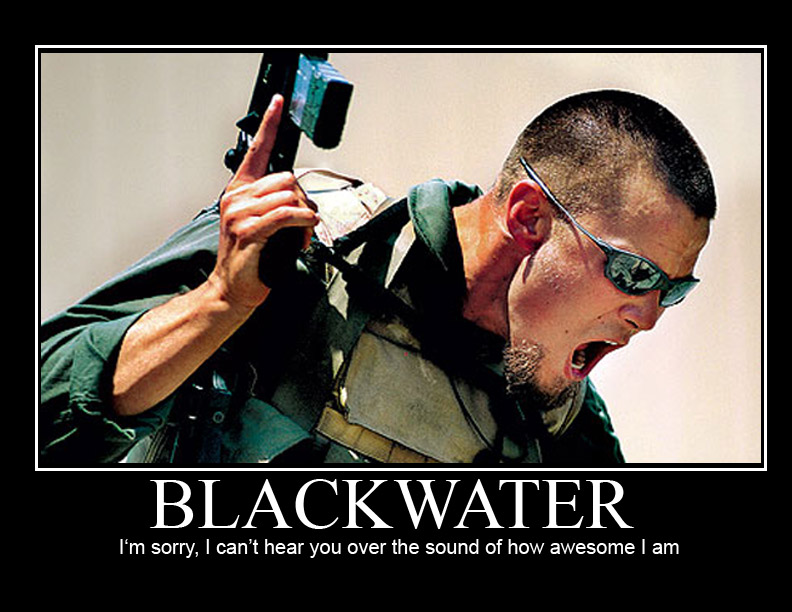
Now, once again, the US Ambassador, has turned her guns on this scribe as well as some electronic media hosts – all of whom have been exposing the increasing muscle flexing by the growing number of non-diplomatic Americans now in Pakistan – especially the notorious Blackwater – now re-christened Xe Worldwide. Just for the record, whatever has appeared in these columns regarding this group and the dubious Creative Associates International Inc (CAII) has been gleaned from Western media sources including the Deutsche Presse-Agentur (DPA), but then verified from reliable local sources. It is interesting to see how the more the US penetrates Pakistani officialdom, the more the saner elements within this officialdom show their anger and frustration and reveal to ordinary Pakistanis the wholesale handing over of the country to Washington.

Especially with the Blackwater issue refusing to die down in the media despite a strange silence in Parliament and in spite of threats of multiple types from the yet-to-be-expanded US embassy in Islamabad; new revelations are made on a daily basis about US shenanigans in Pakistan. Here in Pakistan it has got to the stage where one is not sure who is an “official” American and who is not. After all, the guard who abused Pakistan and an SHO in the diplomatic enclave was a member of the US government; but who were the three Americans who beat up a Pakistani citizen, Mohsin Bokhari, in Islamabad’s Aabpara last week? After using violence against this citizen they did eventually apologize, but the police refused to register a case because they felt that if the case registered by the SHO of the diplomatic enclave had no impact in terms of justice – thanks to the pusillanimity of the present Ministry of Foreign Affairs setup – it would simply be a waste of their energy in the month of fasting to register yet another case of violence by Americans against a Pakistani citizen.

Further, as the growing disaffection hits the more conscientious Pakistanis in officialdom, what should one make of the information (from frustrated police officials) regarding four Americans initially arrested on Friday, 25 August, at FIA headquarters, Peshawar Morrh, Islamabad with unlicensed automatic weapons (seven MI-6) and no identification – although the arresting officials say they were “kala pani” (Blackwater) personnel around 14:45. When they were brought to the Margala police station, SP Nasir Aftab, who had previously been serving in the diplomatic enclave, also arrived, followed by US embassy’s security officer, a retired Pakistan army officer, Captain Ijaz. The latter abused and threatened the policemen and in front of SP Aftab had the four Americans, with no diplomatic identity, released from custody. When the SHO protested, SP Aftab also adopted Captain Ijaz’s tone and later confessed he was helpless as he had orders from “above” for the release of these American law breakers. Incidentally, if the US Administration has no links with Blackwater anymore, why is the US embassy in the forefront of interceding on their behalf? So how much pressure will we all be able to endure and when will we all be silenced one way or another? If the Americans understood us they would realize that the Pakistani nation cannot be silenced into submission despite its leadership.

This article was supposed to appear today in The News International but did not due to reported pressure from the US Embassy in Islamabad.

© 2007-2009. All rights reserved. AhmedQuraishi.com & PakNationalists Verbatim copying and distribution of this entire article is permitted in any medium without royalty provided this notice is preserved.

...........................................................................................................................................................................
.
http://www.ahmedquraishi.com/article_detail.php?id=785

US Hummers Enter Pakistan, Undercover American Soldiers Swarm Islamabad

By AHMED QURAISHI


Monday, 31 August 2009.


WWW.AHMEDQURAISHI.COM


ISLAMABAD, Pakistan—Undercover armed Americans are swarming the Pakistani capital in the latest sign that the elected government has allowed Washington to dispatch what is believed to be a large number of American special operations agents and contractual security guards, including the infamous Blackwater private militia.

This comes at a time when whistleblowers within the government and the military are reporting the arrival of a large number of US Marines in Pakistan. Some reports put the figure at 1,000 US soldiers, much of whom are thought to be arriving as part of the massive expansion of the US Embassy and four consulates across the country. While the US embassy continues to deny this, new buildings are under construction to house security teams. The expanded US embassy is supposed to become the largest US embassy in the world.

Above is an exclusive picture taken by a source at the entrance of Port Qasim near Karachi, showing US Hummers being transported out of the facility. According to the source, the shipment was not destined for Afghanistan. The picture was taken on Aug. 19, 2009 and being released here for the first time.

The latest evidence of the growing American military presence in the Pakistani capital is the arrest of four Americans carrying automatic weapons in a part of the Pakistani capital that foreigners seldom visit.

The four were arrested in Sector G-9 of Islamabad in the evening of Saturday, Aug. 29.

A police picket stopped two cars carrying the four Americans who refused to explain why they were carrying sophisticated automatic weapons in the capital city. Diplomats are not supposed to carry weapons because their security is the responsibility of the host government, and security guards are not supposed to be carrying weapons outside the embassy except during official assignments. The four were taken to a police station for interrogation but were released when two retired Pakistani army officers showed up and threatened police officers of dire consequences.

The police established that the four Americans carried diplomatic status and were part of the US embassy staff.

When I called today US embassy spokesperson Richard Snelsire about the incident, he refused to comment and referred me to the Pakistani Ministry of Foreign Affairs and Pakistani police.

"Do US diplomats normally carry weapons?" I asked.

Mr. Snelsire's reply was, "Only if they are permitted" to do so by the Pakistani government. But he avoided commenting on the incident or explaining whether the four were diplomats.

The spokesman's reaction confirms suspicions that private US security guards are active in Pakistan. For obvious reasons these guards do not come under the cover of US Department of State employees in Pakistan. This could be one reason why US embassy spokesperson declined comment on the story since the presence and the activities of the four armed men might be beyond the purview of the US embassy in Islamabad.

There is strong evidence that the private US mercenary army, Blackwater, has also established office in the Pakistani capital. Authorities have received several complaints of ill mannered military-type westerners misbehaving or recklessly driving by.

The Pakistani capital was the scene of at least two incidents recently where armed American diplomats verbally and physically assaulted Pakistani police officers. In one case, newspapers called for expelling an armed US diplomat who cursed and swore at the host country. The Pakistani government, which is known to be pro-American, refused to take action.

The Americans appear to have recruited a large number of retired Pakistani army officers, in addition to quietly hiring Pakistani civil servants without making any of this public. A famous government university professor in Islamabad who is active in US media campaigns against Pakistan's nuclear program has also been hired as a consultant. Government employees cannot offer their services to foreign governments but this is happening now under an increasingly weak Pakistani state and government.


Who Is Inviting US Military

To Pakistan


There are indications that the PPP government and some other politicians, like Nawaz Sharif, are encouraging the Americans to get involved in domestic issues especially as a hedge against a powerful Pakistani military. Politicians are aware they have led the country to a national failure on all fronts since the general elections in February 2008. The public mood is gradually turning against them. This has stoked the rumor mill about disgruntlement within the Pakistani military regarding the failures of the politicians.

Washington is spending nearly one billion dollars to expand its Islamabad embassy. On completion, the US embassy in Islamabad will become the largest in the world. Interestingly, both the government, led by President Zardari, and the opposition, led by Nawaz Sharif, refuse to question why Washington has been granted exceptional concessions to construct an imperial-size embassy and how at least 18 acres of the most expensive real state in the capital has been handed over to the Americans for this purpose at throwaway prices.


© 2007-2009. All rights reserved. AhmedQuraishi.com & PakNationalists Verbatim copying and distribution of this entire article is permitted in any medium without royalty provided this notice is preserved.