Showing posts with label islam. Show all posts

Wednesday, 26 December 2012

beirut: christians praise hezbollah's tolerance

.
 http://www.csmonitor.com/World/Middle-East/2012/1221/In-Hezbollah-stronghold-Lebanese-Christians-find-respect-stability

In Hezbollah stronghold, Lebanese Christians find respect, stability  

In a Christian home in a Shiite suburb of Beirut, images of Hezbollah leader Hassan Nasrallah share mantel and wall space with the Virgin Mary.   

Ariel Zirulnick, Staff writer
December 21, 2012

Randa Gholam, a Christian living the Hezbollah stronghold neighborhood of Harat Hreik, stands next to a poster of Hasan Nasrallah in her home on November 15, in Beirut, Lebanon. Gholam supports and admires Hezbollah leader, Sheikh Hassan Nasrallah, and says she feels and free to worship as a Christian in a predominately Shiite neighborhood.
(Ann Hermes/The Christian Science Monitor)


The face of the revered Shiite militant leader appears on posters, a calendar, and in several photographs nestled amid those of Christian homeowner Randa Gholam's family members. Mr. Nasrallah is, Ms. Gholam asserts amid a string of superlatives, “a gift from God.”
Lebanon’s sectarian divides are legendary, and the residents of the historically Christian neighborhood of Harat Hreik, now a Hezbollah stronghold, remember well the civil war that set Beirut on fire. They were literally caught in the middle of some of the most vicious fighting, with factions firing shots off at one another from either side of their apartment buildings.

But in the intervening years, as Hezbollah cemented its control over the suburb of Dahiyeh, which includes Harat Hreik, the militant group has been an unexpected source of stability and even protection for the few remaining Christian families. Just a few blocks away from Nasrallah’s compound is St. Joseph’s Church, a vibrant church that Maronite Christians from across Beirut flock to every Sunday. 
“I feel honored to be here. They are honest. They are not extremists. It’s not like everyone describes,” Gholam says. “I can speak on behalf of all my Christian friends. They would say the same thing." 
The Christians living in Harat Hreik are a bit of an anomaly, to be sure. Christians represent a sizable population in Lebanon, though no census has been held in decades. And while Beirut's neighborhoods are gradually becoming more integrated, they still divide largely along religious lines. The fragile peace is under deep strain as regional tensions swirl because of the conflict next door in Syria.

Not fanning the flames

In Hezbollah's early days, its creed was "virulent," and in the past, it may have been responsible for fanning some of those flames. But as Hezbollah gained power and joined the political system, that changed, says Paul Salem, director of the Carnegie Endowment Middle East Center.
“It doesn’t carry with it an anti-Christian strain anymore," he says. "That’s almost entirely gone. It’s not in their rhetoric, it’s not in their creed.” 

Recently, when the Shiite holiday of Ashura was approaching, the streets were choked with residents shopping and passing out sweets and blanketed with black banners commemorating the martyrdom of Hussein Ali. But Christians live openly here, and they describe Hezbollah as a tolerant group that has steadfastly supported their presence, even sending Christmas cards to Christian neighbors like Gholam.
Gholam, who throws a party every year in honor of Nasrallah’s birthday and places a photo of him in her Christmas tree, is certainly an anomaly. But other Christian families also speak approvingly of their life under Hezbollah, especially when compared to its predecessor, Amal, which they say forced many Christian residents to sell their homes. In contrast, Hezbollah extended financial support to the Christian families when Dahiyeh needed rebuilding after the civil war and the 2006 war with Israel.


Rony Khoury, a Maronite Christian who was born in Harat Hreik and still lives in the same apartment, says he feels comfortable drinking alcohol on his front porch, in full view of members of Hezbollah, and his wife feels no pressure to don a head scarf or follow other rules governing Muslim women's attire. They have property in a predominantly Christian area of Beirut, but have no desire to move.
“After Hezbollah came, we didn’t have any worries,” Mr. Khoury says, citing safe streets. "The security is No. 1 in the world. I leave my car open, I forget something outside…. It's very safe now, under Hezbollah."
Only between 10 and 20 of the pre-civil war Christian families remain, out of the thousands who lived there before the fighting. While the numbers are low, Khoury insists that many would come back, if only they could afford it. But property values have climbed, and many of those who left can’t afford to move back.
Of course, there are calculations behind Hezbollah's magnanimity. Hezbollah’s political alliance with the Lebanese Christian political party, the Free Patriotic Movement, is important to the group, and it “bends over backward to keep those relations comfortable,” Mr. Salem says.
It might also be a way to one-up Sunnis in Lebanon, with whom Shiites are constantly vying for dominance. “They pride themselves on saying they’re more tolerant, more open than Sunnis. In Lebanon, it’s a point of pride,” Salem says.
Both Khoury and Gholam, as well as neighborhood Shiites who dropped by their homes, said there are far more issues with Sunnis.
"Shiite extremists like Hezbollah, they come to our church" as a show of support, says Khoury. "But Sunni extremists, like Salafis, they kill me, they kill you."

Things could change

Ultimately, it is Hezbollah’s foreign backers dictating the mood in Harat Hreik. If it became politically expedient for Hezbollah to abandon its acceptance of Christian neighbors, Hezbollah would be compelled to make life difficult for them.
“For Iran and Syria, their main backers, Hezbollah is mainly a strategic force against Israel. That’s the point – not creating an Islamic state or fighting a sectarian war," Salem says. “Hezbollah is a very top-down organization. If Iran decrees something else, something else will happen.”
But that’s not something Gholam can fathom.
"I will never even think about Hezbollah giving anyone a hard time. I can't even think about answering that question," she says.

Saturday, 11 September 2010

911 updates, the mystery of barack obama

.
911 UPDATES

http://www.waynemadsenreport.com/articles/20100909_3?


September 10-12, 2010
Courtesy of Wayne Madsen

Architects and Engineers for 9/11 Truth reveal controlled demolition evidence


Architects and Engineers for 9/11 Truth (A&E 9/11 Truth) held a news conference on September 9 at the National Press Club in Washington, DC in which they revealed new evidence based on peer-review research that the World Trade Center's South and North Towers and Building 7 were brought down on 9/11 by controlled demolitions.

A&E 9/11 Truth, which consists of over 1200 experienced architects and engineers from around the world, provided several details that contradict the 9/11 Commission report and an analysis of the Trade Center collapse conducted by the National Institute of Standards and Technology (NIST). NIST concluded the buildings collapsed as a result of burning jet fuel melting the buildings' steel columns. A&E 9/11 Truth's investigation reveals:

  • The Twin Towers suffered total destruction in 10 to 14 seconds in near free-fall accelerations which can only occur as a result of pre-set demolition explosives.
  • More than 100 first responders reported explosions and flashes consistent with pre-set demolitions.
  • 90,000 tons of concrete and metal decking were pulverized in mid-air, creating the signature dust clouds of controlled demolitions.
  • A massive debris field 1,400 feet in diameter, along with the absence of 'pancaked' floors, indicates a very explosive destruction of each tower.
  • The presence of several tons of molten metal found in the debris is consistent with the extreme temperatures generated by the use of thermite – an incendiary used to cut through steel like a hot knife through butter.
  • An international team of scientists found nano-thermitic composite material in World Trade Center dust samples, providing hard evidence of the presence of advanced energetic materials in the disaster debris.
  • NIST officials were invited to debate the new findings following the press conference but they declined. In addition, congressional staff members were invited to attend the conference, but none participated.

    A mock debate featuring former Alaska Senator and 2008 presidential candidate Mike Gravel was held after the press conference. Panelists countered video and audio statements of several NIST officials and other controlled demolition debunkers.

    Former Senator Mike Gravel moderates mock debate in absence of NIST officials.

    It was also revealed that thermite residue was found at the sites of the three collapsed buildings that NIST claimed were brought down by fire. However, Building 5, which was gutted by fire but did not collapse, showed no thermite residue.


    http://www.veteranstoday.com/2010/07/28/arnaud-de-borchgrave-2001-interview-with-hamid-gul-former-isi-chief/

    July 28, 2010

    2001 INTERVIEW WITH HAMID GUL, FORMER ISI CHIEF

    WHAT DOES THIS INCREDIBLE INTERVIEW MEAN TO US 9 YEARS LATER?

    Arnaud de Borchgrave for UPI

    Veterans Today Editors note:

    This is being reprinted in consultation both with de Borchrave and Hamid Gul, former head of Pakistan’s controversial ISI. In light of the 92,000 documents that many claim to be fabrications, highly critical of Pakistan’s intelligence organization, this historic interview is more important than ever. G. Duff

    De Borchgrave: So who did Black Sept. 11?

    Gul: Mossad and its accomplices. The U.S. spends $40 billion a year on its 11 intelligence agencies. That’s $400 billion in 10 years. Yet the Bush Administration says it was taken by surprise. I don’t believe it. Within 10 minutes of the second twin tower being hit in the World Trade Center CNN said Osama bin Laden had done it. That was a planned piece of disinformation by the real perpetrators. It created an instant mindset and put public opinion into a trance, which prevented even intelligent people from thinking for themselves.

    Q: So you’re already convinced bin Laden didn’t do it?

    A: I know bin Laden and his associates. I’ve been with them here, in Europe and the Middle East. They are graduates of the best universities and are highly intelligent with impressive degrees and speak impeccable English. These are people who have rediscovered fundamental Islamic values. Many come from the Gulf countries where ruling royal families have generated hatred by the way they flout divine law, wasting billions on gratifying their whims, jetting around in large private jets by themselves, and sailing the Mediterranean in big private boats for weeks on end. Osama’s best recruits come from feudal areas that are U.S. protectorates and where millions of poor people are seeking human dignity. I have even visited a Christian convent school in Murree, 60 miles from here, where my 13-year-old daughter is studying. The young girls there have told me Osama is their hero. Osama’s followers identify with Mujahideen freedom fighters wherever they are defending Islam and its values.

    Q: So what makes you think Osama wasn’t behind Sept. 11?

    A: From a cave inside a mountain or a peasant’s hovel? Let’s be serious. Osama inspires countless millions by standing up for Islam against American and Israeli imperialism. He doesn’t have the means for such a sophisticated operation.

    Q: Why Mossad?

    A: Mossad and its American associates are the obvious culprits. Who benefits from the crime? The attacks against the twin towers started at 8:45 a.m. and four flights are diverted from their assigned air space and no air traffic controller sounds the alarm. And no Air Force jets scramble until 10 a.m. That also smacks of a small scale Air Force rebellion, a coup against the Pentagon perhaps? Radars are jammed, transponders fail. No IFF — friend or foe identification — challenge. In Pakistan, if there is no response to IFF, jets are instantly scrambled and the aircraft is shot down with no further questions asked. This was clearly an inside job. Bush was afraid and rushed to the shelter of a nuclear bunker. He clearly feared a nuclear situation. Who could that have been? Will that also be hushed up in the investigation, like the Warren report after the Kennedy assassination?

    Q: At this point, someone might be asking what you’ve been smoking. What is Israel’s interest in such a monstrous plot, which, of course, no one believes except Islamist extremists who concocted this piece of disinformation in the first place, presumably to detract from the real culprits?

    A: Jews never agreed to Bush 41 (George H.W. Bush, the 41st president) or 43 (his son George W. Bush, the 43rd president). They made sure Bush senior didn’t get a second term. His land-for-peace pressure in Palestine didn’t suit Israel. They were also against the young Bush because he was considered too close to oil interests and the Gulf countries. Bush senior and Jim Baker had raised $150 million for Bush junior, much of it from Mideast sources or their American go-betweens. Bush 41 and Baker, as private citizens, had also facilitated the new strategic relationship between Saudi Arabia and Iran. I have this from sources in both countries. So clearly the prospect of a Bush 43 was a potential danger to Israel.

    Jews were stunned by the way Bush stole the election in Florida. They had put big money on Al Gore. Israel has given its imperialist guardian parent opportunities to turn disaster into a pretext for imposing an all-encompassing military, political and economic agenda to further the cause of global capitalism. While Colin Powell is cautious and others are reckless and want to make up for their failure to defeat Saddam Hussein in the Gulf War 10 years ago, the global agenda is the same.

    Israel knows it has a short shelf-life before it is overwhelmed by demographics. It is a state that was born in terrorism that terrorized Palestinians into the exile of refugee camps, where they have now subsisted in squalid refugee camps, and is now very much afraid of Pakistan’s nuclear capability.

    Israel has now handed the Bush family the opportunity it has been waiting for to consolidate America’s imperial grip on the Gulf and acquire control of the Caspian basin by extending its military presence in Central Asia. Bush conveniently overlooks — or is not told — the fact that Islamic fundamentalists got their big boost in the modern age as CIA assets in the covert campaign I was also involved with to force the Soviets out of Afghanistan. Bush senior was vice president during that entire campaign. And no sooner did he become president on Jan. 20, 1989, than he summoned an inter-agency intelligence meeting and issued an order, among several others, to clip the wings of ISI (Pakistani Inter-Services Intelligence) that had been coordinating the entire operation in Afghanistan. I know this firsthand as I was DGISI at the time (director general, ISI).

    Q: So how do you read U.S. strategy in Pakistan?

    A: The destabilization of Pakistan is part of the U.S. plan because it is a Muslim nuclear state. The U.S. wants to isolate Pakistan from China as part of its containment policy. President Nixon’s book “The Real War” said China would be the superpower of the 21st Century. The U.S. is also creating hostility between Pakistan and Afghanistan, two Muslim states to reverse the perception that the Islamic world now has its own nuclear weapons. Bush 43 doesn’t realize he is being manipulated by people who understand geopolitics. He is not leading but being led. All he can do is think in terms of the wanted-dead-or-alive culture, which is how Hollywood conditions the masses to think and act.

    All summer long we heard about America’s shrinking surplus and that the Pentagon would not have sufficient funds to modernize for the 21st century. And now, all of a sudden, the Pentagon can get what it wants without any Democratic Party opposition. How very convenient! Even your cherished civil liberties can now be abridged with impunity to protect the expansion of the hegemony of transnational capitalism. There is now a new excuse to crush anti-globalization protests.

    Bush 43 follows Bush 41. Iraq was baited into the Kuwaiti trap when the U.S. told Saddam it was not interested in his inter-Arab squabbles. Two days later, he moved into Kuwait, which was an Iraqi province anyway before the British Empire decreed otherwise. Roosevelt baited the Pearl Harbor trap for the Japanese empire, which provided the pretext for entering World War II.

    And now the Israelis have given the U.S. the pretext for further expansion into an area that will be critical in the next 25 years – the Caspian basin.

    Q: Were you a fundamentalist in the days of the war against the Soviets in Afghanistan when you worked closely with the CIA?

    A: Not as much as I am today.

    Q: What turned you against America?

    A: Betrayals and broken promises and what was done to my army career.

    Q: And what was that?

    A: President Ishaq Khan, who succeeded Zia ul-Haq after his plane was blown out of the sky, wanted to appoint me chief of staff, the highest position in the Pakistani army. The U.S., which by then had clipped ISI’s wings, also blocked my promotion by informing the president I was unacceptable. So I was moved to a corps commander position. As ISI director, I held the whole Mujahideen movement in the palm of my hands. We were all pro-American. But then America left us in the lurch and everything went to pieces, including Afghanistan.

    The U.S. pushed for a broad-based Afghan government of seven factions and then waved goodbye. Even in the best of democracies, a broad-based coalition does not work. So we quickly had seven jokers in Kabul interested in only one thing – jockeying for power. The gunplay quickly followed, which led to the creation of Taliban, the students of the original Mujahideen, who decided to put an end to it.

    Q: What happened to the 1,000 shoulder-fired Stinger anti-aircraft missiles that were supplied by president Reagan in 1986 and 87 to the Mujahideen, and that literally grounded the Soviet air force?

    A: After the Soviets pulled out, the CIA allocated $60 million to try to buy them back. This just drove the black market price up for one Stinger from $100,000 to $300,000. The Taliban still have about 250 of them for the kind of situation they face today against U.S. aircraft.

    Q: Is the U.S. now your enemy?

    A: Is the U.S. national interest in contradiction with the Muslim world? The U.S. needs oil, as do its European allies. You have between 6 and 8 million American Muslims and their ranks are growing. About the same number in Europe. Israel aside, we are America’s natural allies. Prof. Sam Huntington in his “Clash of Civilizations” puts Confucius and Judeo-Christians in one corner, and us in the other. His prescription is wrong but is being adopted by Bush 43 who has now put 60 countries on his hit list. This is the diabolical school that wants to launch an anti-Muslim “crusade.” Muslims understood what Bush meant when he used that word.

    We need a meeting, not a clash, of civilizations. We are on the brink of disaster. It is time to pull back from the brink and reassess before we blow ourselves up. The purpose of Islam is service to humanity. The time for like-minded people to have a meeting of the minds is now.

    Q: But you are against democracy, so how can there be a meeting of the minds?

    A: Democracy does not work. Politicians are constantly thinking of their next election, not the public good, which means, at best, constantly shading the truth to hide it from their constituents. Their pronouncements are laced with lies and the voters are lulled or gulled into believing utter nonsense. The Koran says call a spade a spade. It is the supreme law and tells right from wrong. There is no notion of “my country right or wrong” under divine law. The creator’s will predominates. All if subservient to Allah’s will and adherence to a set of basic, fundamental values.

    Q: So what kind of a system are you advocating?

    A: The world needs a post-modern state system. Right now, the nation-state and round the clock satellite TV lead people to imitate America’s way of life. Which is mathematically impossible. You have 4 percent of the world’s population consuming 32 percent of the world’s resources. The creator through Prophet Mohammed said equal distribution. Capitalism is the negation of the creator’s will. It leads to imperialism and unilateralism.

    Q: So what does this post-modern state system look like?

    A: A global village under divine order, or we will have global bloodshed until good triumphs over evil. Islam encapsulates all the principal religions and what was handed down 1,400 years ago was the normal evolutionary sequel to Judaism and Christianity. The prophet’s last sermon was a universal document of human rights for everyone that surpasses everything that came since, including America’s declaration of independence and the U.N. Charter of universal rights. If you superimpose true secular values on true Islamic values, there is no difference. So surely divine law should supersede man-made law. Islam is egalitarian, tolerant and progressive. It is the wave of the future.

    Q: Marxism also believed that the nation-state would eventually wither away.

    A: Socialism jumped the rails when it was co-opted by the imperialist Soviet state. Islam believes in dynamism, Christianity stands for static statism. The pope in all his pronouncements has expressed a dogmatic attachment to the status quo. Why are so many black Americans converting to Islam? Because they are looking for true equality which they cannot find under capitalism. Allah has no gender, neither male nor female. Islam has no indirect taxation in an interest-free economy. Usury was a Jewish concept.

    Q: Is Iran your model?

    A: There isn’t a single true Islamic state in the world today. Iran has moved forward from its 1979 revolution, but I am not sure whether it’s the right direction.

    Q: And Taliban?

    A: They represent Islam in its purest form so far. It’s a clean sheet. And they were also moving in the right direction when this crisis was cooked up by the U.S. Until Sept. 11, they had perfect law and order with no formal police force, only traffic cops without sidearms. Now, in less than two weeks, they have mobilized some 300,000 volunteers to fight American and British invaders if they come.

    Q: And your reaction to U.S. demands on Pakistan?

    A: If Pakistan gives the U.S. base rights we will have a national upheaval. And if the U.S. attacks Afghanistan, there will be a call — a fatwa — for a general jihad. All borders will then disappear and it will be a no-holds-barred Islamic uprising against Israel and American imperialism. Pakistan will be engulfed in the firestorm. So I can only hope that cooler heads will prevail in Washington.

    Q: What about the other U.S. demands?

    A: Overflight rights are meaningless since the U.S. violates air space daily all over the world. As for intelligence sharing with ISI, you can’t even catch your own terrorists. And what ISI gives you will be of marginal value anyway.

    Q: President (Pervez) Musharraf has made strong statements supporting the U.S.

    A: He was my student in the army. He is a good man, but he doesn’t understand Islam. The army will never fight the masses. If push comes to shove, Musharraf will say no to the Americans rather than turn against the people. He is not just facing a handful of angry people. By his own admission, it’s 10 percent to 15 percent of the population, or at least 10 million people willing to fight. For openers, they would close the port of Karachi. A country cannot breathe without lungs.

    Q: Back to Osama’s terrorist network. Who was behind the bombing of the U.S. Embassies in Tanzania and Kenya?

    A: Mossad is strong in both countries. Remember the Israeli operation to free hostages in Entebbe (Uganda)? Both Kenya and Tanzania were part of the logistical tail. A so-called associate of Osama was framed at Karachi airport. The incidents took place on Aug. 8, 1999, and on the 10th a short, clean-shaven man disembarks at Karachi airport and presents the passport of a bearded man. Not your passport, he was told. He then tries to bribe the clerk with 200 rupees. A ludicrously small sum given the circumstances. The clerk says no and turns him in and he starts singing right away. Not plausible. Osama has sworn to me on the Koran it was not him and he is truthful to a fault. Pious Muslims do not kill innocent civilians who included many Muslim victims. The passport must have been switched while the man was asleep on the plane in what has all the earmarks of a Mossad operation. For 10 years, the Mujahideen fought the Soviets in Afghanistan and not a single Soviet embassy was touched anywhere in the world. So this could not have been Osama’s followers.

    Q: What if bin Laden has been lying to you and is guilty. Is that inconceivable?

    A: If Taliban are given irrefutable evidence of his guilt, I am in favor of a fair trial. In America, one is entitled to a jury of peers. But he has no American peers. The Taliban would not object, in the event of a prima face case, to an international Islamic court meeting in The Hague. They would turn extradite Osama to the Netherlands.

    End of transcript: UPI United Press International, Sep. 26, 2001, Interview with General Gul


    http://www.viceland.com/int/v17n6/htdocs/helen-thomas-517.php

    HELEN THOMAS INTERVIEW

    june 2010

    STEVE LAFRENIERE
    PHOTOS: RICHARD KERN
    INTERVIEW EDITED BY JESSE PEARSON


    This interview with Helen Thomas was conducted in March. We were holding it for an upcoming issue of Vice magazine, but in light of what’s going on with her now, we’ve decided to run it online today.

    ...

    Vice: When I watched you at press conferences during the George W. Bush years, you seemed pretty disgusted with your fellow journalists.

    Helen Thomas: In the run-up to the Iraq War, no one asked for proof of weapons of mass destruction. It was very, very clear that President Bush wanted to go to war at any cost. And he would not go back to the UN and allow them three more months to look and see if it was really true. We went to war on lies. I think 9-11 was definitely used to terrorize the people away from taking any stand against the government, because they felt it was a real crisis and I guess they—halfway at least—believed the government. Using terrorists is a very effective propaganda weapon.

    Is it just me or did the mainstream press seem particularly flabby after 9-11?

    They were afraid of not being considered real patriots, and I’m sure the big communications corporations got orders from on high. So they played ball.

    In your decades at the White House have you witnessed this kind of complacency before?

    Well, the Watergate scandal was the turning point in the White House in modern times. We took all the [Nixon administration’s] denials, and when they turned out to be absolutely wrong, when it turned out to be disinformation, it made reporters much more wary in that brief interval that followed. But of course 9-11 made everyone into a prime citizen again, and afraid to ask. The Pentagon was also very effective in propagandizing, as was the State Department, as was the White House. So, again, I think that journalists became afraid to be called unpatriotic if they didn’t support a war, even one that was obviously not true.

    You were surprised by this?

    I certainly thought, after the Watergate scandal and all the lies, that reporters had awakened. And they did for awhile, a very short time. But the government always prevails, because there’s always the feeling that we should believe what the government says. Even though I thought they didn’t have any credibility, people did go along. The reporters were very gung-ho about going to war. It was going to be two weeks. Everybody was going to be there a short time, come home, and live happily ever after. It’s been seven years now.

    I notice that you’re the only White House reporter that questions why an event has occurred. You did it several times regarding 9-11.

    That’s the reason we’re so easily led down the garden path—nobody’s asking “why?” The question “why?” should always be there. What is the reason this other government or these people would do this to us? But I had the impression that throughout the whole country, truth took a holiday. There’s been very little search for truth, except for a few people who have spoken out.

    When you were sitting just a few feet in front of him at news conferences, could you tell that Bush was lying?

    Not really. But you could tell by the answers there was no real answer that he wanted to tell you. Why did we go to war? “9-11.” Well, there were no Iraqis involved, and so forth. To this moment we have not heard why we went in. There’s been all of the speculation—daddy, oil, Israel, whatever—but still nobody has spoken the truth from the government’s side.

    Would you go so far as to say that your colleagues are in some ways responsible for the Iraq War?

    I think that’s very true. Everyone rolled over and played dead at a time when they should have been really penetrating. They were there for Watergate. But in this case they bought all the propaganda. Or, whether they bought it or not, they took it and spouted it.

    Why do you think this is happening now more than ever before?

    I think it’s the whole business of communications, the stranglehold of the ultra-right on propaganda. It’s scaring people. Three or four hours every afternoon they have these very ultra-right people on the air, who I think are using the government and using the American people, betraying them and destroying our whole sense of honesty.

    The usual argument here is that the FCC, under Bush, allowed the consolidation of media into megacorps which are generally owned by conservatives, nay, right wingers.

    There’s no doubt they’ve broken down all the curbs. I don’t believe in any censorship, frankly. But I do think it is getting so far out now. It’s a dangerous time.

    ...

    http://www.voltairenet.org/article166661.html

    7 August 2010

    francais: http://www.voltairenet.org/article166616.html

    September 11: planes that hit WTC were not Boeing 767s

    The official report by the National Transportation Safety Board (NTSB) relating to the two planes that crashed into WTC on September 11, 2001 shows that they were traveling at a speed of 945 km/h and 796 km/h respectively.

    Pilots for 9/11 Truth, an international organization of pilots and aviation professionals, has pointed out that, according to the manufacturer, the Boeing 767 develops structural failure and dismembers at a speed surpassing 660 km/h when flying at near sea level in thick air. This has also been certified by a former senior NASA executive, Dwain Deets.

    It necessarily follows that the aircraft that slammed into the World Trade Center could not have been the planes corresponding to commercial flights United 175 and American 11.

    In his book The Big Lie, Thierry Meyssan had entertained the possibility that the two aircraft had actually been substituted by military planes according to the procedure contemplated in Operation Northwoods (p. 168).

    The NTSB report, which was declassified at the request of Pilots for 9/11 Truth, had already revealed that the cockpit door of flight American 77 had remained locked from the time of take-off until it disappeared from radar screens and allegedly crashed at the Pentagon site. The logical conclusion is that it would have been materially impossible to hijack the flight.


    http://www.rense.com/general92/pr911.htm

    Proven 9-11 Nukes = US Government Involvement

    Dr. Ed Ward, MD
    9-6-10

    ...
    1. Three Massive WTC Craters - See us government LIDAR proof: - Nothing else known to man can leave ALL the WTC debris and this particular evidence in the length of time needed , except a third generation Micro Nuke - Mini Nuke - Nuke. It's 100% classic textbook nuclear event residue - ZERO ANOMALIES.
    http://letsrollforums.com/update-us-government-s-t22024.html?t=22024 - NOT an endorsement of the site.

    2. Five Acres (1.2 Billion Pounds = Weight of Residue of 3 WTC Buildings (WTC 1, 2, and 6)) of WTC Land Brought to Seering Temperatures in a Few Hours by an 'Anaerobic, Chlorine Fueled "Fire" - Impossible by Basic Laws of Physics. See us gov Thermal Images proof - Nothing else known to man can leave ALL the WTC debris and this particular evidence in the length of time needed , except a third generation Micro Nuke - Mini Nuke - Nuke. It's 100% classic textbook nuclear event residue - ZERO ANOMALIES.
    http://letsrollforums.com/update-us-government-s-t22024.html?t=22024 - NOT an endorsement of the site.

    3. Tritium Levels 55 Times (normal) Background Levels assessed a numerical value of 'traces' and 'of no human concern'. See us government (DOE report) proof: - Nothing but a NUCLEAR EVENT can cause 'tritium' formation - basic physics fact - Nothing else known to man can leave ALL the WTC debris and this particular evidence in the length of time needed , except a third generation Micro Nuke - Mini Nuke - Nuke. It's 100% classic textbook nuclear event residue - ZERO ANOMALIES.
    http://groups.yahoo.com/group/EdWard-MD/message/141

    4. An Impossible "Fire" (Combustion Process). See Laws of Physics for Fire/Combustion Process and Dr. Cahill's data on 'anaerobic incineration'. Nothing else known to man can leave ALL the WTC debris and thisparticular evidence in the length of time needed , except a third generation Micro Nuke - Mini Nuke - Nuke. It's 100% classic textbook nuclear event residue - ZERO ANOMALIES.
    http://www.rense.com/general77/newlaws.htm

    5. 3 Billion pounds of building instantly turned into 2 Billion pounds of micronized dust. - Nothing else known to man can leave ALL the WTC debris and this particular evidence in the length of time needed , except a third generation Micro Nuke - Mini Nuke - Nuke. It's 100% classic textbook nuclear event residue - ZERO ANOMALIES.
    http://www.serendipity.li/wot/ed_ward/use_of_abombs.htm

    6. 16 inch steel Spires that withstood 1/2 a Billion pounds of building falling on them and suddenly turn into limp noodles and partially vaporize. Nothing else known to man can leave ALL the WTC debris and this particular evidence in the length of time needed , except a third generation Micro Nuke - Mini Nuke - Nuke. It's 100% classic textbook nuclear event residue - ZERO ANOMALIES.
    http://letsrollforums.com/update-us-government-s-t22024.html?t=22024 - NOT an endorsement of the site.

    7. Hiroshima effect cancers in responders and locals. Nothing else known to man can leave ALL the WTC debris and this particular evidence in the length of time needed , except a third generation Micro Nuke - Mini Nuke - Nuke. It's 100% classic textbook nuclear event residue - ZERO ANOMALIES.
    http://letsrollforums.com/update-us-government-s-t22024.html?t=22024 - NOT an endorsement of the site.

    All of the above are facts are proven with referenced links of reputable data sources - many are from the government itself and more...

    Mini Nukes Were Used on 9-11 http://www.henrymakow.com/mini-nukes_were_used_on_9-11.html

    ...
    related post:

    911: revealing new pictures

    -----------------------------------------------------------------------------------------------------------------------

    http://www.westernjournalism.com/exclusive-investigative-reports/the-mystery-of-barack-obama-continues/

    The Mystery of Barack Obama Continues

    Steve Baldwin, Exclusive to Western Center for Journalism

    Most Americans don’t realize we have elected a president whom we know very little about.

    Researchers have discovered that Obama’s autobiographical books are little more than PR stunts, as they have little to do with the actual events of his life. The fact is we know less about President Obama than perhaps any other president in American history and much of this is due to actual efforts to hide his record. This should concern all Americans.

    A nation-wide network of researchers has sprung up to attempt to fill in the blanks, but at every opportunity Obama’s high-priced lawyers have built walls around various records or simply made them disappear. It is estimated that Obama’s legal team has now spent well over $1.4 million dollars blocking access to documents every American should have access to. The question is why would he spend so much money to do this?

    The president who campaigned for a more “open government” and “full disclosure” will not unseal his medical records, his school records, his birth records or his passport records. He will not release his Harvard records, his Columbia College records, or his Occidental College records—he will not even release his Columbia College thesis. All his legislative records from the Illinois State Senate are missing and he claims his scheduling records during those State Senate years are lost as well. In addition, no one can find his school records for the elite K-12 college prep school, Punahou School, he attended in Hawaii.

    What is he hiding? Well, for starters, some of these records will shed light on his citizenship and birth.

    For example, Obama’s application to Punahou School – now mysteriously missing – would likely contain a birth certificate. And, according to attorney Gary Kreep, “his Occidental College records are important as they may show he attended there as a foreign exchange student.” Indeed, Obama used his Indonesian name “Barry Soetoro” while attending Occidental. Kreep has filed lawsuits challenging Obama’s eligibility to be president and as part of his lawsuit he requested Obama’s records from Occidental. However, Obama’s lawyers quickly moved to stop Occidental from honoring this request.
    Furthermore, now that at least three document authentication experts have declared the scanned “Certificate of Live Birth” Obama’s campaign team gave to a pro-Obama website to be an obvious phony; we know that he is hiding something here as well.

    Over 49 separate law suits have been filed on the eligibility/birth certificate issue alone, with several of the suits making it all the way the United States Supreme Court, only to be denied a full hearing.

    What’s more, there are questions about how he paid for his Harvard Law School education since, despite a claim by Michele Obama, no one has produced any evidence that he received student loans. The Obamas will not release any student loan details despite repeated requests from the Chicago Tribune. However, it appears that his Harvard education may have been paid for by a foreign source. Khalid Al-Mansour, an advisor to Saudi prince Al-Walid bin Talah, told Manhattan Borough president, Percy Sutton, that he was raising money for Obama’s Harvard tuition. Incidentally, Prince Tala is the largest donor to CAIR, a Muslim group declared by the U.S. Government in 2007 as an unindicted co-conspirator in a terrorist financing trial. At least three of CAIR’s leaders have been indicted for terrorist activities. Al-Mansour’s admission opens up speculation as to whether Muslim interests have assisted Obama’s career in the hope he would eventually be in a position someday to promote their interests.

    More recently, it was discovered that Obama’s Selective Service card may have been doctored. Federal law requires all American males to register for the Selective Service (the draft) in case a major war broke out. Blogger Debbie Schlussel has discovered solid evidence that Obama’s Selective Service registration form was submitted not when he was younger as required, but rather in 2008 and then altered to look older. Indeed, the forgers forgot to alter the “Document Location Number” which shows that it is clearly a 2008 form. This is fraud and it’s a felony and Schlussel allegations are backed up by Stephen Coffman, a former high-ranking Federal agent. Moreover, the document shows a September 4th, 1980 date and the location of the transaction as Hawaii, but at that time Obama was thousands of miles away attending Occidental College in Los Angeles.

    The real reason why Obama probably did not submit this form as a teenager is that he assumed his Kenyan or Indonesian citizenship exempted him from this requirement. But clearly, as he grew older and entered politics, he saw that any documents revealing a foreign birth – Selective Service registration, birth certificate, school applications, etc – would be problematic if he ran for the presidency. Thus, it is not a coincidence that every document which contains information about his birth or citizenship is either missing, sealed, or has been altered.

    Indeed, everywhere one looks into Obama’s background, we find sealed records, scrubbed websites, altered documents, deception and unanswered questions. Can anyone imagine for a second if John McCain or George Bush had blocked access to his school, medical, and birth records? It would have been headlines but as with everything else concerning Obama, the media has given him a pass on this.

    Of all these marvels, the latest mystery and probably most perplexing is that of Obama’s social security number. It appears that Obama has multiple identities in term of possessing numerous social security numbers. Orly Taitz, an attorney who has filed numerous suits against Obama regarding his eligibility to serve as president, appears to be the first to discover this. In her suit, representing a number of military officers who are refusing to serve under an ineligible commander in chief, she hired private investigator Neil Sankey to conduct research on Obama’s prior addresses and Social Society numbers. Using Intelius, Lexis Nexis, Choice Point and other public records, Sankey found around 25 Social Security numbers connected with Obama’s name.

    However, it may not be as many as 25, since Sankey also searched using closely related names such as: “Barak Obama,” “Batock Obama,” “Barok Obama,” and “Barrack Obama.” There may very well be some Kenyans living in America with the same last name and a similar first name. In any case, I will exclude these records for the purpose of this research and focus only on names spelled exactly like his name. Moreover, we can verify many of the Social Security numbers as valid since they’re connected to addresses at which we know Obama resided. Needless to say, there are also a slew of address and social security numbers connected to addresses in states that Obama has no known connection to.

    In Obama’s home state, Illinois, Sankey tracked down 16 different addresses for a Barack Obama or a Barack H. Obama, of which all are addresses he was known to have lived at. Two Social Security numbers appear for these addresses, one beginning with 042 and one starting 364.

    In California, where Obama attended Occidental College, there are six addresses listed for him, all within easy driving distance of the college. However, there are three Social Security numbers connected to these addresses, 537 and two others, each beginning with 999.

    There are no addresses listed in New York where he attended Columbia University, but there is one listed for him in nearby Jackson, NJ, with a Social Security number beginning with 485.

    In Massachusetts – where Obama attended Harvard Law School – we find three addresses, all using the 042 Social Security number. After Obama was elected to the United States Senate in 2005, he moved into an apartment at 300 Massachusetts Ave NW; the Social Security number attached to that address is the 042 one. Yet, three years later, Obama used a different Social Security number for an address listed as: 713 Hart Senate Office Building. This was the address of his United States Senate office. This Social Security number began with 282 and was verified by the government in 2008.

    This mystery grows even stranger as other addresses and Social Security numbers for Barack Obama appear in a dozen other states not known to be connected to him. Again, I am excluding those records names not spelled exactly like his name.

    Tennessee, one address with a Social Security number beginning with 427

    Colorado, one address, with a Social Security number beginning with 456.

    Utah, two addresses, with two Social Security numbers beginning with 901 and 799.

    Missouri has one address and one Social Security number beginning with 999.

    Florida has two addresses listed for his him, three if you count one listed as “Barry Obama.” One is connected to a Social Security number beginning with 762.

    In Georgia there are three addresses listed for him, all with different Social Security numbers: 579, 420, and 423.

    In Texas there are four different addresses listed for him, one is connected to Social Security number 675.

    There are two addresses listed for Barack Obama in Oregon and one address listed for him in
    the states of Wisconsin, Michigan, South Carolina, and Pennsylvania.

    All told, there are 49 addresses and 16 different Social Security numbers listed for a person whose name is spelled “Barack Obama.” In some cases, the middle initial “H” is listed. If you were to expand the search to include closely related names such as: “Barac,” “Barak,” and “Barrack” Obama, you would find more than a dozen additional addresses and Social Security numbers.

    Finally, the one Social Security number Obama most frequently used, the one beginning with 042, is a number issued in Connecticut sometime during 1976-1977, yet there is no record of Obama ever living or working in Connecticut. Indeed, during this time period Obama would have been 15-16 years old and living in Hawaii at the time.

    Nevertheless, all this mystery surrounding Obama appears to be a generational thing. Researchers have discovered nearly a dozen aliases, at least two different Social Security numbers, and upwards of over 99 separate addresses for Ann Dunham, his mother. We do know she worked for the ultra liberal Ford Foundation but we also know she may have earned some income from pornographic poses, as evidenced by photos recently discovered by some researchers—how embarrassing. The only thing researchers are able to find out about Obama’s mother is the fact she made porn. I’m sure that’s a first for presidential mothers.

    But we also know that Obama’s mother and grandparents associated with Communist Party leaders such as Frank Marshall Davis, a man who, according to Obama’s book, Dreams from my Father, was his main mentor during much of his Hawaiian boyhood (although Obama tried to disguise his identity in his book). During the Cold War, Davis was named by congressional investigators as a key member of a secretive pro-Soviet networked that existed in Hawaii at that time.
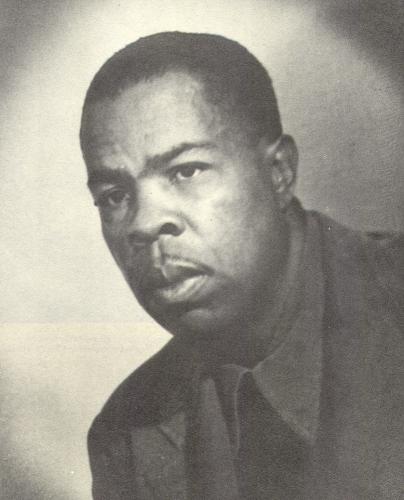
    Pictured: Communist Party leader, Frank Marshall Davis.

    Pictured: Communist Party leader, Frank Marshall Davis.

    The lack of documents regarding Obama also extends to his mother and to his grandparents. Indeed, researchers have been unable to find marriage licenses for his mother’s two marriages, assuming she was ever legally married. Ditto goes for the marriage license for Ann’s parents. They cannot find birth certificates for her, her parents, or for even for her grandparents. Even more so, despite Obama’s boast of his grandfather’s military service, there’s no record of that either. For reasons no one knows, much of Obama’s life, his mother’s life and his grandparent’s life has been erased from the records as if they never existed.

    But why would someone obtain so many Social Security numbers? According to investigators, those who create additional Social Society numbers are typically engaged in criminal activities such as Social Security fraud, tax fraud, real estate fraud, campaign contributions fraud, voter fraud and so on. While the private investigator who compiled this list says multiple social security numbers does not automatically prove there’s criminal activity involved, he states that “having said that, I have personally experienced many, many cases where such information has led to subsequent exposure of fraud, deception, money laundering and other crimes.“What is interesting to note is that Obama’s grandmother, Madelyn Dunham, was a volunteer at the Oahu Circuit Court probate department and had access to the Social Security numbers of deceased people.

    It is clear that more research needs to be done on this issue.

    The Western Center for Journalism
    ( http://www.westernjournalism.com) is inviting our readers to join the search for the truth. If you have any information about any of the addresses listed, we would love to hear from you. To find a complete list of all the addresses and Social Security numbers listed in the public record for Obama and family, please go to the Western Center for Journalism.


    see also:

    Obama Fact Sheet: A call to consciousness


    Monday, 15 February 2010

    banca islamica: settore piu redditizio della finanza

    .
    http://www.comedonchisciotte.org/site/modules.php?name=News&file=article&sid=6764

    http://www.politicamentecorretto.com/index.php?news=19604

    see also:
    http://arthurzbygniew.blogspot.com/2008/10/us-financial-system-viewed-from-riyadh.html

    FINANZA ISLAMICA

    A CURA DI GIOVANNA CANZANO
    politicamentecorretto.com

    Intevista a Stefano M. Masullo*

    …“una volta risolti i problemi di carattere fiscale e normativo, il nostro paese potrà svolgere un ruolo centrale nel mediterraneo. L'Italia, infatti, oltre ad avere una bilancia commerciale di svariati miliardi di dollari con i paesi del Consiglio di Cooperazione del Golfo, svolge un ruolo chiave nel dialogo euro-arabo, rappresentando il paese del G7 più vicino al mondo arabo. L'interesse verso la finanza islamica si pone, dunque, come una questione di posizionamento strategico-politico, anche in relazione alla nascita dell'Unione per il Mediterraneo che punta a coinvolgere economicamente i quarantatre paesi del mediterraneo meridionale e orientale, attraverso la loro cooperazione in specifiche attività pubbliche e private”… (Stefano M . Masullo)

    Nell’attuale panorama economico e finanziario internazionale che ruolo può giocare l’introduzione dell’islamic banking?

    MASULLO - In una prospettiva di sviluppo di lungo periodo può giocare un ruolo chiave l’introduzione dell’islamic banking, il settore più redditizio di tutto lo scenario finanziario internazionale che, grazie al suo costante collegamento con l’economia reale, sembra offrire una valida alternativa in termini di stabilità all’eccessiva finanziarizzazione odierna o meglio, allo scollamento creatosi tra attività finanziaria e legale, causa ed effetto della crisi.

    Quale è il messaggio alternativo della finanza islamica?

    MASULLO - Il messaggio alternativo della finanza islamica deriva dalla forte dipendenza dai testi sacri e dalla loro notevole influenza sul diritto. L’islam, pur riconoscendo l’opportunità di una crescita del valore della moneta nel tempo, ne vieta la sua realizzazione nel prestito permettendola solo come parte integrante di una transazione reale. Rifuggendo l’interesse, il mondo islamico basa il sistema finanziario sul concetto della Shirkah, ossia la condivisione dei profitti e delle perdite di qualsiasi attività imprenditoriale. Tecnica, questa, accreditata in letteratura per avere effetti particolarmente positivi sugli aggregati dell’economia reale, sullo sviluppo e sulla distribuzione del reddito. Tali caratteristiche portano le istituzioni finanziarie Sharia-compliant ad allontanarsi dalla figura di “debt holder” propria del modello convenzionale, per avvicinarsi di più a quella di “equity investor”, spingendole così ad assumere caratteristiche più simili alle merchant bank. Le peculiarità del sistema islamico richiedono uno sforzo maggiore verso l’armonizzazione degli standard prudenziali e di vigilanza, al fine di limitare gli arbitraggi regolamentari e assicurare regole minime comuni su cui fondare l’ordinato funzionamento del sistema finanziario globale. Al riguardo, sembra auspicabile una estensione al sistema tradizionale di alcuni comportamenti tipici del sistema islamico.

    Come opera l’islamic banking nello scenario internazionale?

    MASULLO - Nello scenario internazionale, l’islamic banking si presenta con caratteristiche diverse nei vari paesi in cui è operativo, in base al grado di islamizzazione del sistema finanziario ritenuto opportuno dai rispettivi governi. Al riguardo, nella maggior parte delle esperienze nazionali, si è optato per un sistema di dual-banking, in cui i due differenti sistemi finanziari condividono lo stesso ambiente macroeconomico con interessanti reciproche interdipendenze. In una prospettiva di lungo periodo, gli oltre quindici milioni di musulmani presenti sul territorio europeo, la forte liquidità a disposizione dei paesi arabi e la risposta molto positiva dell’islamic banking alle recenti crisi rendono lo sviluppo della finanza islamica una necessità anche per il vecchio continente. La situazione europea vede il persistere del ruolo di Londra come mercato occidentale leader del settore, ma altre importanti iniziative si registrano in paesi come Francia e Italia.

    Anche in Italia si iniziano a valutare le enormi opportunità che offre il settore islamico?

    MASULLO - Il nostro paese sembra iniziare a prendere coscienza delle enormi opportunità che l’implementazione del settore islamico offre, soprattutto da un punto di vista strategico-politico, alla luce della recente nascita dell’Unione per il Mediterraneo, potenzialmente foriera di eccezionali possibilità cooperative per l’asse italo-arabo.

    La finanza islamica ha una stretta dipendenza dai testi sacri?

    MASULLO - La cornice di riferimento dell’etica commerciale islamica, è infatti, da un millennio la Sharia, termine arabo usato per indicare la legge divina contenuta nel Corano e nella Sunna. Il Corano contiene l’insieme delle rivelazioni che il Profeta Maometto afferma di aver ricevuto quattordici secoli fa da Allah ed è destinato ad ogni uomo sulla terra a prescindere dalla sua fede religiosa. La Sunna, invece, seconda fonte della legge islamica, è costituita dagli atti e dai detti del Profeta, trasmessi negli Hadith. Nell’analisi delle fonti religiose, un ruolo centrale è quello del Fiqh, la giurisprudenza islamica, che permette una lettura appropriata ed una corretta interpretazione della volontà divina. Sembra evidente a questo punto, come risulti difficile gestire l’islamic banking solo con le leggi del sistema bancario-finanziario capitalistico, troppo lontano dal preciso utilizzo del denaro dettato dalla legge coranica. Nei paesi in cui la Sharia è legge di stato, come in Iran, Sudan, Pakistan, si è giunti alla completa islamizzazione del sistema bancario, con la scomparsa delle banche convenzionali. Negli altri paesi a maggioranza musulmana, invece, i due tipi di istituti bancari convivono in un esempio di dual banking. In realtà, la legge cranica nell’enunciare i principi economici, si presta a varie interpretazioni critiche dei testi sacri, lasciando spazio ai differenti punti di vista delle diverse scuole di pensiero.

    I cinque pilastri dell’Islam fondamenta della fede islamica, sono condivisi in tutta la popolazione musulmana?

    MASULLO - Il primo pilastro dell’Islam è rappresentato dalla proibizione del prestito a interesse legato al fattore temporale, Riba, che, equiparato all’usura, è visto alla stregua di uno sfruttamento e un’ingiustizia. Queste stesse restrizioni hanno operato per secoli anche nel cristianesimo, per poi gradualmente piegarsi alla pressione dei riformisti e ai bisogni del commercio. La Riba rappresenta, comunque, solo il primo dei cinque principi base islamici, che influiscono direttamente sulla vita quotidiana della popolazione musulmana vietando alcuni comportamenti, con conseguenze notevoli anche sulle pratiche economiche. Le altre limitazioni riguardano il divieto di intraprendere iniziative Gharar, attività con alla base una irragionevole incertezza; Maisir, molto simile alla speculazione; Haram, attività in settori esplicitamente proibiti dal Corano, come la distribuzione e produzione di alcol, tabacco, armi, carne suina, pornografia e gioco d’azzardo. Il quinto ed ultimo pilastro della religione islamica è la Zakat, ossia, l'obbligo religioso di "purificazione" della propria ricchezza, che ogni musulmano deve adempiere per potersi definire un vero credente. Spesso vista come elemosina, la Zakat, non ha alcun elemento di volontarietà. Nasce, infatti, come un prelievo sui beni superflui di ciascuno e serve a rendere lecita e fruibile alla comunità la propria ricchezza materiale. Tutto ciò si concretizza in un pagamento di una quota-parte dei guadagni, che viene ridistribuita in favore delle categorie più svantaggiate della società islamica. Le banche islamiche, vista la proibizione della Riba, hanno dovuto implementare un metodo alternativo di allocazione delle risorse, che tradizionalmente si è concretizzato soprattutto nella tecnica della condivisione delle perdite e dei profitti. Nell’islamic banking il profitto può essere legittimato esclusivamente dalla componente di rischio, in quanto, secondo la Sharia, il guadagno non è ammissibile, a meno che non sia connesso all’assunzione di rischi. Si tratta, dunque, di un nuovo e diverso rapporto tra il creditore e debitore. La compartecipazione, comunque, è un concetto comune a più religioni e comunità, ma è in questa cultura che è divenuto fondamento della vita economica oltre che sociale, portando molti osservatori a riconoscere una potenziale maggiore equità della finanza islamica. In un sistema centrato sulla compartecipazione, chi presta denaro non richiede interesse, ma prende parte a quelli che saranno i risultati dell’attività, in percentuale sugli utili futuri. Allo stesso modo, l’erosione del capitale, in caso di perdite, sarà sopportata da entrambe le controparti.

    Su cosa si basa questo modello di partecipazione?

    MASULLO - Tale modello di partecipazione si basa essenzialmente su due elementi fondamentali: il rapporto di fiducia tra chi mette a disposizione i capitali e chi li utilizza, condividere le stesse sorti impone la creazione di una relazione proficua e duratura basata sul reciproco interesse; l’impossibilità della formazione di sacche di ricchezza a discapito solitamente dei più deboli e con minori capacità di contrattazione. In un’economia completamente islamica, dunque, essendo le relazioni economiche legate da rapporti di condivisione dei risultati economici, più un’impresa produce profitti, più la banca finanziatrice ottiene a titolo di remunerazione del finanziamento. Contestualmente, inoltre, i depositanti acquisiscono un ammontare di ricchezza, tanto maggiore quanto maggiori saranno gli utili dell’istituzione finanziaria. Si verrebbe così a creare un automatico processo di allocazione della ricchezza, che nell’economia occidentale risulta eventuale ed impantanato in tutta una serie di accordi, compromessi, conflitti di potere. Il confronto sulla distribuzione della ricchezza spinge ad affermare la maggiore equità sociale della finanza islamica, al di là di quelle che siano le convinzioni religiose, politiche e culturali. In questo senso, la maggiore attenzione che una banca islamica deve avere riguardo alla solidità del progetto e alle competenze gestionali dell’imprenditore, rende il merito creditizio relativamente meno importante.

    Le banche islamiche posso finanziare progetti non finanziabili dalle banche convenzionali?

    MASULLO - I progetti non finanziabili dalle banche convenzionali, possono essere egregiamente finanziati dalle banche islamiche attraverso la tecnica del profit loss sharing, che può servire da stimolo al progresso economico nei paesi in via di sviluppo. In questo senso, la maggiore attenzione che una banca islamica deve avere riguardo alla solidità del progetto e alle competenze gestionali dell’imprenditore, rende il merito creditizio relativamente meno importante.

    Che rilevanza assumono la corporate governance e il governo societario?

    MASULLO - In ottica prettamente gestionale, le tematiche come la corporate governance e il governo societario, assumono maggiore rilevanza nella realtà islamica, visto il carattere religioso alla base del finanziamento e l’addizionale strato di governo derivante dagli Sharia Supervisory Boards. La caratteristica comune a tutte le istituzioni finanziarie è la presenza di tale comitato indipendente, costituito da esperti di diritto e finanza islamica, che vigila ex-ante, sulla conformità della gestione alla Sharia. In materia di corporate governance, è inoltre indubbiamente riconosciuta, anche nel mondo finanziario islamico, l’indispensabilità del risk management. Il sistema bancario islamico, nonostante le differenze significative in materia, non sembra voler rinunciare a confrontarsi col principio “convenzionale” della regolamentazione del capitale, alla luce della posizione di assoluta preminenza che l’Accordo di Basilea ha conquistato a livello internazionale. Si può cercare di descrivere le fasi e le soluzioni adottate per rimodulare il conventional banking verso l’introduzione della finanza islamica. Naturalmente una scelta così importante quale può essere l’introduzione dell’islamic banking deve essere motivata da adeguate necessità in termini di domanda. Infatti, proprio la richiesta di tali prodotti, come visto precedentemente, è in costante sviluppo. Quest’ultimo è dovuto al crescente interesse degli investitori islamici guidati soprattutto da sigenze di diversificazione geografica del loro portafoglio. Chiaramente, lo sviluppo ed il recepimento di normative in materia di implementazione di un sistema finanziario islamico necessitano di addetti ai lavori altamente preparati in materia, per provvedere alla domanda dei consumatori che vogliono rispettare i dettami del corano.

    Quali sono le aree di maggiore rilevanza per l’introduzione di una banca islamica?

    MASULLO - Le aree di maggiore rilevanza nella fase di introduzione di una banca islamica sono quattro: la conformità alla sharia, la netta separazione dei fondi islamici da quelli convenzionali, la creazione e la diffusione di standard di contabilità e l’aumento del numero delle campagne di consapevolezza. In materia di conformità alla Sharia ci si affida agli Sharia Scholars, ovvero esperti di legge islamica, con la funzione di certificare che l’attività bancaria avvenga nel rispetto dei principi islamici. Tali esperti, dividendosi nelle varie istituzioni, promuovono una coerenza generale dei servizi offerti. La prima misura da intraprendere se si desidera offrire prodotti islamici è quindi la nomina di uno Sharia board, che consente di minimizzare il rischio Sharia. Un ruolo importante in materia di indirizzo è quello delle diverse istituzioni multilaterali internazionali create per favorire lo sviluppo dell’islamic banking. Tali istituzioni, pur non avendo poteri vincolanti, godono però di alta considerazione da parte dei policy-makers internazionali. Un secondo punto da affrontare con chiarezza durante le prime fasi dell’implementazione è la netta egregazione dei fondi islamici da quelli convenzionali. Si tratta, in questo caso, di un principio base stabilito per mantenere la purezza morale di tutte le transazioni islamiche. La terza variabile da considerare è il panorama contabile. Purtroppo, infatti, la rapida espansione dell’islamic banking non è stata accompagnata da uno stesso sviluppo di regole di contabilità internazionalmente riconosciute, non favorendo l’impressione della massima trasparenza del settore islamico. Riguardo la trasparenza, inoltre, l’informazione che i depositanti e gli investitori hanno sui rischi sarà determinante per lo sviluppo dell’islamic banking. Occorre, quindi, che il consumatore sia informato e in questo senso potrebbero risultare molto utili le campagne di consapevolezza.

    Quando è possibile la conversione all’islamic banking?

    MASULLO - La conversione all’islamic banking risulta possibile in diverse forme, in base alla volontà dell’intermediario stesso e al suo interesse nel settore. Generalmente le istituzioni finanziarie convenzionali preferiscono, durante la fase iniziale, sondare le potenzialità del mercato attraverso un progetto pilota che prende la forma delle islamic windows. Le finestre islamiche, infatti, permettono di soddisfare i bisogni base della clientela di una società islamica, offrendo principalmente depositi e strumenti trade-finance per piccole e medie imprese. Una volta implementato un’islamic window, e avendolo portato avanti per un periodo di tempo necessario a garantirsi una clientela base, l’istituzione finanziaria può decidere se stabilire una controllata islamica o convertirsi in una banca completamente islamizzata. Il vantaggio di optare per la controllata è la possibilità di continuare a servire i clienti convenzionali, mentre quello di scegliere per la conversione in una banca completamente islamica sono le significative ricadute positive in termini di credibilità. In conclusione, vi è un acceso dibattito in materia di coerenza con la Sharia, riguardo all’istituzione delle banche islamiche con capitali provenienti da banche convenzionali. In questo caso, infatti, non risulta assolutamente garantito che i fondi in questione siano originati da attività conformi all’Islam. Al riguardo, spesso la soluzione adottata è stata quella di permettere la formazione della nuova istituzione islamica in ogni caso, purché deliberi future donazioni caritatevoli come via di purificazione dei fondi.

    Come era l’interazione tra economia-religione-etica nell’Europa?

    MASULLO - Nel vecchio continente è stata sempre molto viva l’interazione tra economia, religione ed etica. La storia economica europea è, in effetti, un esempio di come l'intreccio dell’attività economica e finanziaria con i credo religiosi e le tradizioni sia sempre stato in costante evoluzione e finalizzato a fornire risposte adeguate all’evolversi della società. La presenza araba in Europa tra l’ottavo e l’undicesimo secolo, soprattutto in Spagna, Francia, Portogallo e Italia, è stata un esempio di società votata alla cultura, alla tolleranza e alla prosperità economica grazie soprattutto ai fiorenti commerci fra oriente ed occidente. Tali connessioni storiche, sommate alla recente spinta verso la globalizzazione in termini sia di flussi migratori musulmani verso l’Europa sia di internazionalizzazione dei mercati, rinvigoriscono l’interesse per la finanza islamica da parte del vecchio continente. Non sembra casuale, quindi, la domanda di finanziamenti e di prodotti bancari conformi alla Sharia venuta recentemente alla luce in numerosi paesi europei. La risposta istituzionale in materia sia da parte dei governi che delle autorità di controllo del sistema bancario, si è rivelata molto differente nelle varie nazioni. Regno Unito, Francia e Germania hanno risposto, seppur con intensità diversa, a tali necessità. In altre realtà, invece, il grande interesse in materia è stato frenato dall’atteggiamento di prudente attesa che, come nel caso italiano, ha limitato quasi totalmente lo sviluppo di questo alternativo sistema finanziario. Le potenzialità future di tale domanda sono riscontrabili nel fatto che l'Islam sia oggi la religione in più rapida ascesa a livello mondiale e che tale sviluppo sia accompagnato, soprattutto nei paesi europei, anche da un aumento della classe media musulmana.

    I clienti musulmani europei preferiscono la gestione Halal dei propri affari finanziari?

    MASULLO - E’ difficile, quindi, non ipotizzare per il prossimo futuro la crescita della finanza islamica in Europa, spinta inoltre dalla preferenza, sempre più decisa, del cliente musulmano europeo alla gestione Halal dei propri affari finanziari. Ad oggi, sono circa quindici i milioni di musulmani residenti nel vecchio continente, con un ammontare totale di risparmio gestito, stimato in quattordici bilioni di dollari nel 2020. In questo senso, gioca un ruolo importante anche il crescente interesse per i prodotti finanziari islamici mostrato anche da parte della popolazione non musulmana, vista la sicurezza che i prodotti Sharia compatibili offrono sia in termini etici che di collegamento con il sistema reale. Tutte queste variabili hanno spinto le autorità competenti in materia, negli ultimi anni, ad accogliere e cercare di soddisfare tutte le richieste della comunità musulmane europea, spesso ignorate in passato. Inoltre, la crescente richiesta di prodotti islamici da parte di investitori professionali per ragioni di diversificazione di portafoglio, ha spinto verso la visione dell’islamic banking come una lucrativa opportunità di business. La prova tangibile delle potenzialità del settore islamico e di una sua, seppur limitata, maturità raggiunta si è avuta in questo ultimo periodo di completa instabilità dei mercati internazionali. Sembra, infatti, che “il business della finanza islamica non sia stato toccato dalla tempesta subprime. Anzi, la crisi del credito potrebbe favorire l'espansione dei prodotti finanziari compatibili con le leggi islamiche anche al di fuori dei mercati asiatici e dei paesi del golfo, grazie al loro collegamento costante con l’economia reale. Una conferma a questa tesi arriva dall’andamento dei principali indici azionari del settore islamico. Nel 2007, infatti, il DJIM e il DJIM Europe si sono apprezzati rispettivamente, del sedici e del venti per cento, rendimenti di gran lunga superiori ai rispettivi indici americani. Nello stesso anno, infatti, il DJUS ha registrato un aumento nell’ordine del sei per cento. Dopo queste considerazioni, sembra lecito concludere che i prodotti finanziari islamici si stiano spostando nell’Europa continentale, con diversa intensità nei vari paesi, da prodotti di nicchia a prodotti di più ampio espiro. Inizia a diffondersi nell’opinione pubblica europea la considerazione, del sistema di relazioni economico finanziarie regolamentate dal diritto islamico come una solida e praticabile alternativa, o meglio un’aggiunta al sistema finanziario convenzionale.

    Come si comporta la lobby bancaria tradizionale?

    MASULLO - Al riguardo, la lobby bancaria tradizionale non ha alcun interesse a perdere quote di mercato e, quindi, la sua posizione monopolistica nei mercati finanziari europei a favore delle istituzioni finanziarie islamiche. Tuttavia, come visto, nello stesso tempo, non può permettersi di non considerare l’importante realtà del risparmio islamico. In questo senso, la soluzione di compromesso sembra essere stata raggiunta attraverso l’implementazione, nella quasi totalità dei casi europei, delle islamic windows da parte delle istituzioni convenzionali. In occidente, in particolare in Europa, il sistema bancario islamico ha catturato l’attenzione della comunità finanziaria e delle autorità regolamentari negli ultimi decenni del ventesimo secolo. La questione è stata affrontata diversamente nei vari paesi, ma tuttavia resta l’Inghilterra la nazione ad aver maturato l’esperienza più significativa in materia, rappresentando un modello da seguire nell’adozione dell’islamic banking per i paesi a maggioranza non musulmana. Il Regno Unito è stato capace di attrarre le maggiori banche islamiche oltre che per la numerosa popolazione musulmana residente, conseguenza delle forti relazioni storiche con vari paesi orientali, anche grazie alle notevoli capacità degli operatori del settore finanziario e all’importanza a livello internazionale del mercato inglese. A livello geografico poi, l’alternativa inglese risulta allettante se confrontata con quella americana, peraltro sfavorita dagli attuali rapporti politici con alcuni paesi islamici. La somma di tutte queste variabili ha portato ad un naturale indirizzo del mondo musulmano verso l’Inghilterra.

    Quando nasce l’islamic banking in Inghilterra?

    MASULLO - Formalmente, la nascita dell’islamic banking in Inghilterra risale al 1982, con l’istituzione dell’Al Baraka International Bank a Londra. Da quel momento e nel corso degli anni, gli inglesi hanno affrontato l’implementazione della finanza islamica evitando ogni discussione di carattere religioso o culturale. L’islamic banking è stato considerato semplicemente un’innovazione finanziaria, emersa nell’ambito dell’industria dei servizi finanziari. Si è, infatti, evitato una legislazione che fosse legata a uno specifico credo religioso, mantenendo l’importante principio dell’unica licenza bancaria, a differenza di altri paesi, che come visto hanno invece optato per un sistema di dual banking. Il processo d’implementazione di una istituzione finanziaria islamica nel Regno Unito risulta, quindi, uguale a quello di una qualsiasi banca convenzionale. Questo perché si è ritenuto opportuno non introdurre la categoria della banca islamica ma solo modificare opportunamente la normativa esistente al fine di consentirle di operare. Due problematiche hanno catalizzato particolarmente l’attenzione, la neutralità fiscale dei prodotti Sharia compliant e il principio della tutela dei depositi. I primi interventi per garantire una tassazione neutrale ai due diversi sistemi finanziari si sono avuti con il “Finance Act” del 2003 e le successive modifiche del 2005. E’ stata, infatti, prima introdotta l’abolizione della doppia imposta di registro nelle transazioni immobiliari assimilabili al contratto Murabaha e poi creata la nozione di «reddito finanziario alternativo, alla quale si è conferita la medesima deducibilità fiscale degli interessi passivi. Senza mai citare nomi di strutture contrattuali islamiche, il legislatore inglese ha definito delle nozioni generiche, specificando però precise condizioni entro le quali è possibile far rientrare i principali contratti islamici. In questo senso, fu riconosciuto al canone di un’Ijara immobiliare o di un Musharaka, la stessa deducibilità fiscale degli interessi passivi di un mutuo. In materia di tutela dei depositi, invece, un ruolo importante è stato quello della Islamic Bank of Britain, istituita nel 2004. Al riguardo la normativa inglese richiede l’obbligatorietà del rimborso affinché si abbia un deposito. Tuttavia, come ribadito nel testo, ciò contrasta con i principi base della finanza islamica, che condiziona il rimborso al risultato dell’attività imprenditoriale collegata. Il problema è stato agevolmente superato con l’inclusione, nella legislazione inglese, di alcune specifiche clausole nel contratto di deposito. Nella Islamic Bank of Britain, infatti, iltitolare di depositi d’investimento si espone al rischio di vedere intaccato il valore nominale del deposito. Tuttavia, nel caso in cui ciò avvenga, la banca ha la possibilità di mitigare la perdita del depositante, diminuendo o rinunciando all’incasso di commissioni o attingendo direttamente ad un fondo destinato alla stabilizzazione degli utili. E’ importante, però, sottolineare come la banca in questione sia comunque tenuta ad offrire al depositante un pagamento per l’ammontare della perdita subita. Nel caso in cui il depositante decidesse di accettare l’offerta ricevendo dalla banca il corrispettivo per la perdita subita, non sarà più considerato coerente con i principi islamici. Con queste specifiche clausole si è riusciti a preservare sia il principio di partecipazione ai profitti e alle perdite sia quello di tutela dei depositi. L’istituzione dell’Islamic Bank of Britain ha favorito, inoltre, la nascita di una realtà operativa retail, che visti gli attuali due milioni di musulmani residenti nel paese, presenta un ottimo mercato domestico potenziale che chiede di essere seriamente considerato. Oggi, alcune conventional banks operanti nel paese, offrono ai clienti britannici un’ampia scelta di prodotti e servizi. Particolare interesse riscuotono l’investment banking, il project finance, il private banking e alcuni finanziamenti retail, soprattutto nella forma della Musharaka decrescente. In questa figura contrattuale, il prenditore progressivamente acquisisce le attività del prestatore, pagando contestualmente un canone di affitto. Gli attuali venti bilioni di dollari in attività Sharia-compliant, fanno del mercato inglese l’ottavo centro finanziario islamico al modo ed il primo nei paesi occidentali.

    Quali sono gli obiettivi attuali del governo britannico in materia di finanza islamica?

    MASULLO - Gli obiettivi attuali del governo britannico in materia di finanza islamica sono chiari e consistono, nel mantenere la posizione leader di Londra come centro finanziario internazionale, continuando ad ampliare il range di prodotti finanziari a disposizione dei consumatori e nell’assicurare che a nessuno venga negato di intraprendere qualsiasi attività finanziaria, a causa di discriminazioni religiose. La scelta legislativa inglese, riguardo al principio della licenza bancaria unica, sembra aver indirettamente influito sulla scelta comune alla maggioranza delle istituzioni finanziarie convenzionali riguardo l’adozione delle “Islamic Windows”. Queste comode finestre sul mondo delle islamic banking, permettevano, infatti, una prima analisi della reale domanda del settore islamico. Tale formula operativa, si è rivelata un fattore chiave, nel recente sviluppo della finanza islamica nel Regno Unito. In conclusione, le ultime novità legislative del paese in materia di islamic banking riguardano l’introduzione della possibilità di emendare la legislazione in materia finanziaria attraverso la legislazione secondaria, in modo tale da assicurare maggiore flessibilità al sistema. Proprio tale flessibilità dovrebbe aiutare il settore islamico a raggiungere obiettivi importanti, in termini di standardizzazione di prodotti e servizi, spesso mancati in passato. Il recente sviluppo esponenziale del settore e i problemi derivanti dalle differenti interpretazioni degli Sharia Scholars, non sembrano, infatti, aver favorito la standardizzazione delle procedure inglesi, in materia di islamic banking. Il governo di Londra intende rimuovere gli ultimi ostacoli tecnici che impediscono l'emissione di 'bond islamici', prodotti finanziari che rispettano la sharia, la legge islamica. Lo ha comunicato il Ministero del Tesoro; secondo molti banchieri islamici - nel Paese ci sono cinque banche islamiche - il Parlamento votera' il mese prossimo per definire i 'sukuk' come bond, piuttosto che come veicoli di investimento, e cio' favorira' lo sviluppo di questo mercato. Nel rispetto della legge islamica, i sukuk non prevedono il pagamento di interessi, ma dal punto di vista regolatorio sono stati finora difficili da classificare. Il provvedimento che il governo presentera' in parlamento ridurra' i costi legali e rimuovera' gli ostacoli alla loro emissione.Sarah McCarthy-Fry, sottosegretario al Tesoro ha spiegato che ''il governo intende migliorare la competitivita' del Regno Unito nei servizi finanzari mantenendo la posizione di leader nella finanza islamica internazionale, e facendo si' che chiunque, a prescindere dalla fede religiosa, abbia accesso a prodotti finanziari con prezzi competitivi.

    In Europa quanti musulmani vi risiedono?

    MASULLO - L’attuale popolazione musulmana del vecchio continente si aggira sull’ordine dei venti milioni di persone, la metà dei quali residenti nelle due grandi comunità francese e tedesca. Il primo paese europeo in termini di musulmani residenti è la Francia, anche se alcuni problemi di stima scaturiscono dal divieto di censire la popolazione della Repubblica francese in base al carattere religioso. Canzano 18 – Cosa succede in Francia?

    MASULLO - I sei milioni di musulmani attualmente presenti sul territorio transalpino si collegano ai flussi migratori provenienti soprattutto da Algeria, Marocco e Tunisia. La Francia mantiene, infatti, una forte influenza economica e politica in questi paesi, frutto delle sue forti connessioni storiche e culturali con il mondo arabo in generale. Senza entrare nel merito dell’integrazione sociale, alcune caratteristiche qualitative della popolazione musulmana oltralpe risultano importanti: la metà dei musulmani residenti sono cittadini francesi a tutti gli effetti e spesso si tratta di immigrazione oramai di seconda o terza generazione. Peculiarità queste, che aumentano in maniera esponenziale la necessità dei servizi finanziari richiesti, soprattutto nel settore immobiliare. Tutte queste riflessioni sembrano, dunque, giustificare l’enorme interesse in materia di finanza islamica da parte del governo transalpino, interesse rinvigorito dalla recente richiesta di licenze per operare nel paese, da parte di tre tra le più importanti istituzioni finanziarie islamiche: la Qatar Islamic Bank, la Kuwait Finance House e Al-Baraka Islamic Bank. Al riguardo, è sembrato molto positivo il parere dell’attuale ministro francese dell’economia e delle finanze Christine Lagarde, che punta a rilasciare le dovute autorizzazioni già entro il 2010 . In materia di finanza islamica, l’obiettivo dichiarato del governo francese è quello di implementare vigorosamente il sistema Sharia-compliant, con un’attenzione particolare al segmento wholesale che rappresenta il business principale del settore islamico a livello globale. In una prima fase si punterà, quindi, soprattutto ai settori dell’investment e corporate banking e, solo in un secondo momento, si svilupperà l’allettante segmento retail. Tale pianificazione mira a portare in Francia una quota significativa della liquidità orientale per competere, nel lungo periodo, con Londra, per la leadership del settore a livello europeo. L’obiettivo della leadership europea potrebbe sembrare poco realizzabile, visto l’attuale significativo svantaggio francese in materia di islamic banking ma, con una più attenta valutazione, considerando le posizioni di partenza e le potenzialità, se ne rivaluta la credibilità, almeno per quanto riguarda l’obiettivo di lungo periodo. In questa direzione, la Francia sta lavorando molto per recuperare il terreno perso cercando di suscitare interesse nella comunità finanziaria francese sviluppando una più approfondita conoscenza in materia. Al riguardo, un ruolo fondamentale è stato quello dei primi due forum nazionali sull’islamic banking. Nel primo, del 2007, si è infatti chiarito alla comunità finanziaria francese, quali potessero essere i risvolti positivi, in termini di attrattiva internazionale, dell’implementazione dell’islamic banking nel mercato parigino. Nel secondo, tenutosi l’anno passato si sono, invece, analizzate le variabili su cui lavorare, affinché l’implementazione del settore islamico possa avvenire senza problemi. Attualmente il dibattito francese è incentrato sulle questioni politiche e regolamentari, per rendere possibili i necessari aggiustamenti tecnici alla legislazione francese in modo da ridurre i classici impedimenti di carattere fiscale e legale allo sviluppo della finanza islamica. In questa importante prima fase d’attuazione del sistema islamico, il Ministro Lagarde, supportata da una commissione di esperti finanziari, sembra voler dar vita ad un nuovo percorso attuativo basato sulle necessità della popolazione francese. E’ stata, infatti, proprio la forte comunità musulmana, attraverso varie associazioni, a spingere la politica ad una maggiore considerazione del settore in termini di riforme utili ad introdurre strumenti di finanza islamica. Al riguardo, nel 2007, l’autorità responsabile del mercato finanziario francese ha autorizzato la creazione di schemi di investimento collettivo Sharia-compliant, autorizzati in base al rispetto di particolari criteri come l’investimento in settori Halal e l’applicazione di alcuni ratio finanziari. Al riguardo, risultano escluse le compagnie con debito totale in bilancio superiore ad un terzo della loro capitalizzazione media dell’ultimo anno. Sotto il punto di vista tecnico, la piazza di Parigi sembra assicurare le necessarie competenze per riuscire a creare sinergie eccezionali tra il sistema islamico e quello convenzionale. La velocità con cui l’islamic banking si svilupperà nel territorio francese, dipenderà molto, quindi, dall’operato del governo e da come questo settore innovativo verrà percepito dalla popolazione.

    E lo sviluppo del settore islamico in Germania?

    MASULLO - Lo sviluppo del settore islamico in Germania, ha avuto invece, sorti differenti rispetto alla realtà francese. I cinque milioni di musulmani residenti nel territorio tedesco, per la maggior parte di origine turca, non sono riusciti a mantenere alto l’interesse del governo in materia. A tal proposito, nel recente passato, la Germania si era distinta per interventi pioneristici nell’islamic banking, come la prima emissione europea di sukuk nel 2004, di ammontare pari a cento milioni di euro, avvenuta nello stato federale della Saxony-Anhalt. Questa iniziativa, però, nonostante la risposta positiva in termini di sottoscrizione, non ha trovato il giusto seguito, perchè non favorita dall’attuale linea politica tedesca, caratterizzata da un progressivo calo d’interesse per il settore islamico, in controtendenza rispetto agli altri paesi europei. La mancanza di interesse politico in materia di islamic banking sembra scaturire soprattutto da problemi di educazione al mercato ed indirizzo del mercato stesso. Nel campo dell’educazione del mercato, il ruolo delle autorità tedesche sembra, in questa fase, insufficiente a favorire lo sviluppo del settore islamico mentre sotto il punto di vista dell’indirizzo del mercato, molte istituzioni finanziarie tedesche sono operative nel settore, operando però, solo oltre i confini nazionali. Al riguardo, la Bundesbank non ha rilasciato alcun tipo di licenze in materia, obbligando tutte le operazioni Sharia-compliant effettuate sul territorio nazionale, ad essere strutturate in collaborazione con banche islamiche estere. Il generale disinteresse politico teutonico, comunque, non sembra aver limitato molto l’ammontare degli investimenti arabi sia nel mercato di capitali sia nel settore immobiliare tedeschi. Inoltre, il carattere meno discriminatorio del sistema giuridico tedesco rispetto alle esigenze dell’islamic banking, inteso soprattutto a livello di ingerenza fiscale, sembra aver favorito la crescita delle operazioni di finanza islamica, strutturate principalmente sotto forma di Sukuk, Mudaraba e Musharaka. In conclusione, la forte componente musulmana in Germania, il suo potenziale economico a livello mondiale e gli effetti della recente crisi finanziaria, non potranno che favorire lo sviluppo dell’islamic banking sia come risposta ai bisogni della comunità musulmana residente sia come alternativa, in termini di diversificazione, per la totalità della popolazione tedesca. Risulta chiaro, dunque, come la quota di mercato attuale della finanza islamica in Germania sia molto lontana dal suo. Gli investimenti arabi nel settore immobiliare tedesco ammontano a più di 400 milioni di euro di attività in possesso e altri 300 milioni sono attesi per l’anno in corso. potenziale, considerazione questa, che contribuisce ad alimentare l’interesse in materia.

    La situazione italiana e il potenziale mercato dell’islamic banking?

    MASULLO - La storia dell'Islam in Italia ha radici profonde che risalgono all’ Ottocento, periodo in cui la Sicilia e altre regioni meridionali subirono la dominazione araba per oltre due secoli. Oggi, l'Italia ospita quasi un milione e mezzo di musulmani che rappresentano, oltre il trenta per cento della popolazione straniera residente e quasi il tre per cento dell’intera popolazione nazionale. In termini di rilevanza economica, si noti, inoltre, come il sei per cento del Prodotto Interno Lordo italiano sia prodotto esclusivamente da immigrati e come le necessità finanziarie della popolazione islamica residente si siano evolute, parallelamente al più alto livello di integrazione raggiunto, verso più sofisticate tecniche economiche. Da bisogni finanziari base come le rimesse degli emigranti o i servizi di pagamento, si è passati a necessità di più lungo periodo, tipiche di una popolazione di seconda generazione che continua a crescere anche in termini di disponibilità economiche. Con il consolidamento della presenza sul territorio, la comunità islamica ha avviato operazioni di acquisto di proprietà immobiliari, sia private che commerciali, finanziate tramite strumenti bancari convenzionali o attraverso rare soluzioni mirate offerte da istituti di credito nazionali. A livello imprenditoriale, inoltre, nel territorio italiano si contano circa settantamila imprese avviate da cittadini musulmani che necessitano di una maggiore innovazione finanziaria. Lo sviluppo della finanza Shariah-compliant in Italia risponde, dunque, sia ad esigenze di investimento sia a quelle di risparmio da parte della collettività islamica presente a livello nazionale. Nonostante tali connessioni sia storiche che attuali, l’Italia resta uno dei pochissimi primari paesi europei a non aver ancora implementato il sistema finanziario islamico, diffuso ormai in tutte le principali piazze finanziarie globali. In Italia si nota però, un recente significativo interessamento in questo senso da parte sia del mercato che del sistema politico in generale. Le banche italiane stanno, infatti, lentamente prendendo coscienza delle opportunità che l’implementazione del settore islamico offre in termini competitivi, tra le quali una maggiore raccolta bancaria, le potenziali sinergie con l’intero mondo arabo, la maggiore capacità di internazionalizzazione delle imprese e il forte messaggio di integrazione sociale. Come prova di tale interesse in materia, nel 2007 l’associazione bancaria italiana e l’Union of Arab Banks, ossia l’insieme dell’industria bancaria araba, hanno firmato un memorandum di intenti, in base al quale è stata programmata una attiva collaborazione fra le parti. E’ stata prevista, infatti, un’opera di avvicinamento e cooperazione, fra i due sistemi bancari, per cercare di accrescere i già forti rapporti economici tra i paesi arabi e quelli del mediterraneo, Italia in primis. In Italia è stata conclusa, nel 2006, la prima operazione finanziaria islamica in Italia, una Murabaha applicato ad una operazione immobiliare a Pavia. Nonostante l’indubbio valore simbolico, tale operazione si è rivelata per la verità molto costosa, visto il permanere in Italia, della doppia imposta di registro sulla Murabaha, a causa del fittizio doppio trasferimento di proprietà dell’immobile. Problematica fiscale, questa, comune ad altri paesi europei. La seconda iniziativa italiana nel settore islamico, riguarda l’implementazione di una transazione Ijara Wa Iqtina e sta richiedendo diversi mesi di analisi giuridica e fiscale per riuscire a soddisfare sia le esigenze della Sharia che quelle del codice civile italiano. Nonostante questi singoli esempi, tuttavia, gli operatori bancari sono stati fortemente sfavoriti dalla mancanza di un quadro normativo di riferimento, indispensabile per lo sviluppo del settore. La diffusione di strumenti finanziari Sharia-compliant in Italia è sicuramente un'esigenza per la competitività del paese e di adeguamento al trend internazionale, ma la loro introduzione ed il loro utilizzo richiedono una adeguata gestione e supervisione per le molteplici difficoltà connesse sia alla loro interpretazione che alla loro implementazione.

    Quali sono problematiche legate all’apertura di una banca islamica in Italia?

    MASULLO - Da un punto di vista civilistico, il problema sostanziale è lo schema di raccolta e prestito della banca islamica che non richiede l’obbligo di rimborso, necessario, invece, nei sistemi bancari convenzionali. In ambito fiscale, inoltre, si presentano numerosi ostacoli operativi, come la doppia imposta di registro su una transazione immobiliare strutturata su una Murabaha e la non deducibilità fiscale degli oneri finanziari di una Ijara immobiliare. Al riguardo, l'impostazione concettualmente corretta sembra essere quella basata sul trattamento fiscale applicato all'aspetto economico delle transazioni e non a quello giuridico. Il modello inglese menzionato prima, avendo già affrontato e risolto tali problemi, può senza dubbio rappresentare un modello a cui ispirarsi. La scelta britannica di non definire una normativa a parte cercando, invece, di inquadrare con flessibilità il fenomeno dell’islamic banking nel quadro normativo esistente sembra, infatti, la più opportuna per i paesi europei. Ad una prima analisi delle condizioni esistenti ritengo che l’implementazione di una banca islamica in Italia, obiettivo di tutte le iniziative elencate, possa largamente favorire il paese, quale ulteriore canale di sviluppo economico-finanziario a disposizione della popolazione nello sviluppo dei suoi rapporti economici con il vicino mondo arabo. Sembra necessario, infatti, vista la globale crisi di liquidità, promuovere investimenti nelle due direzioni ed intercettare una parte di surplus di risparmio proveniente dal mondo islamico. In conclusione, il posizionamento strategico dell’Italia, la sua fitta rete di piccole istituzioni finanziarie distribuite sul territorio e il più forte movimento di finanza etica in Europa, rendono l'Italia un candidato naturale per lo sviluppo del settore islamico. Ritengo, a questo proposito, che una volta risolti i problemi di carattere fiscale e normativo, l ' Italia potrà svolgere un ruolo centrale nel mediterraneo ; il paese infatti, oltre ad avere una bilancia commerciale di svariati miliardi di dollari con i paesi del Consiglio di Cooperazione del Golfo, svolge un ruolo chiave nel dialogo euro-arabo, rappresentando il paese del G7 più vicino al mondo arabo. L'interesse verso la finanza islamica si pone, dunque, come una questione di posizionamento strategico-politico, anche in relazione alla nascita dell'Unione per il Mediterraneo che punta a coinvolgere economicamente i quarantatre paesi del mediterraneo meridionale e orientale, attraverso la loro cooperazione in specifiche attività pubbliche e private.

    Resta sempre aperto il dibattito sulla compatibilità delle attività islamiche con l'attuale sistema di regolamentazione bancario italiano?

    MASULLO - Sebbene il dibattito sulla compatibilità delle attività islamiche con l'attuale sistema di regolamentazione bancario italiano resti ancora aperto, la seconda direttiva UE sul settore bancario, grazie al principio del “mutuo riconoscimento” sembra facilitare, almeno in linea di principio, l'apertura di una banca islamica sul territorio italiano. L’utilizzo del passaporto bancario che permette ad un ente bancario autorizzato in un paese europeo di offrire prodotti in tutta l'Unione Europea senza la necessità di disporre di autorizzazione separata sembra, infatti, una valida alternativa in termini operativi. La situazione attuale, vede però, il persistere delle difficoltà del sistema bancario italiano, soprattutto nel confronto con un modello di intermediazione del credito basato su principi di natura religiosa. I prodotti finanziari e i concetti della finanza islamica restano poco conosciuti anche all’interno della comunità finanziaria e imprenditoriale italiana. Si nota, comunque, al riguardo un forte aumento dell’interesse in materia, focalizzato soprattutto sulla risoluzione di importanti questioni interpretative a livello civilistico, come la tutela dei depositi, e sulla qualificazione giuridica-fiscale delle attività islamiche. In conclusione, le varie operazioni arabe in programma in Italia serviranno da volano al settore islamico. Al riguardo, il progetto più importante riguarda Palermo, dove con oltre due miliardi di euro, la Limirless, società degli Emirati Arabi Uniti, punta a risanare il centro storico, gestire il porto e creare nuove aree turistiche. Il tutto rispettando, naturalmente, i principi della Sharia.


    *Classe 1964, laurea in Scienze Economiche e Master in Comunicazione, Marketing e Finanza, Cavaliere dell'Ordine Equestre del Santo Sepolcro di Gerusalemme e dell' Ordine Costiniano di San Giorgio, attivo nel settore finanziario dal 1984, già Rappresentante alle Grida alla Borsa Valori di Milano, autorizzato CONSOB, e Broker registrato al NASD a New York, è specializzato nella consulenza e gestione di patrimoni mobiliari ed immobiliari, nella finanza di impresa, nella pianificazione fiscale, nella comunicazione finanziaria e nella formazione. Ha iniziato a lavorare nella società Consulenti Finanziari SpA, creata da Pompeo Locatelli, in seguito, ha collaborato, per oltre un lustro, nello Studio di Agenti di Cambio Leonzio Combi, costituito a Milano nel 1907, uno dei più importanti in Italia. Dal 1995 fino alla vendita, avvenuta nel 2006, fondatore, presidente e azionista di riferimento, del gruppo di consulenza ed intermediario finanziario ex articolo 106 T.U.B., autorizzato Ufficio Italiano Cambi, Opus Consulting S.p.A., capitale sociale 625.000 euro. Socio fondatore, nel 1996, e tuttora segretario generale ASSOCONSULENZA Associazione Italiana Consulenti di Investimento la prima ed unica associazione di categoria riconosciuta a livello istituzionale in Italia; è inoltre socio fondatore, nel 2008, e segretario generale ASSOCREDITO Associazione Italiana Consulenti di Credito Bancario e Finanziario di cui è presidente Luigi Pagliuca, già presidente del Collegio di Milano e Lodi dei Ragionieri Commercialisti . Rettore Università ISFOA di Lugano, autore di oltre 300 pubblicazioni e di 22 best sellers aziendali, di cui uno, nel 1998 , adottato dall’Università Bocconi di Milano; opinionista presso i più importanti media di settore, quali CNBC Class Financial Network e Bloomberg Television, è stato chiamato come relatore, in Italia ed all’estero, da prestigiose istituzioni quali Marcus Evans, Istituto di Studi Bancari, ISTUD, IUAV Università di Venezia, Università Cattolica del Sacro Cuore di Milano; nel 2002 ha realizzato il primo libro dedicato al Consulente di Investimento. Autore nell' ottobre del 2001, del primo testo dedicato al Bahrein, è direttore editoriale delle prima rivista svizzera di finanza islamica, Shirkah Finance, risultando uno dei principali esperti italiani del settore; direttore responsabile della testata internet di finanza www.trend-online.com , è altresì vice direttore della rivista dedicata al lusso World & Pleasure Magazine e direttore editoriale Family Office: Patrimoni di Famiglia, la prima rivista italiana multimediale, internet e cartacea, specializzata nella tutela e conservazione dei patrimoni di famiglia . Ha svolto incarichi direttivi o consulenziali in gruppi bancari, assicurativi, finanziari, industriali quali: , Norwich Union, CIM Banque, Broggi Izar, Henderson Investor, Fleming, Corner Bank, Lemanik, Nationale Nederland, Banca Popolare Commercio Industria, 81 SIM Family Office SpA , Prudential Vita, Banca Popolare di Milano, Cassa di Risparmio di Cento, Cassa di Risparmio di Perugia, Socièté Bancarie Priveè, Liberty Financial, FMG Fund Marketing Group, Credito Italiano, IW Bank, ING Group, Colomba Invest SIM, MPS Banca Personale .